Author

Jason Balling

Browsing

What Collecting the Keys Doesn’t Tell You

Key collection often comes with a long list of layout ideas: combining two bedrooms into a larger master suite, opening the kitchen to the living room, or converting a room into a study. Some of these changes are straightforward, some require permits, and some simply aren’t permitted in a new flat. Homeowners who start a 4-room BTO design in Singapore by gathering the right information first tend to avoid the most frustrating situation in renovation, which is paying for a design built around a wall that cannot be removed. Three preparation steps make that far less likely.

1. Identify Which Walls Are Structural and Which Can Be Altered

Every BTO flat contains structural elements that must not be touched, typically reinforced concrete walls, columns, and beams that carry the building’s load. The approved floor plan issued for your flat, together with HDB’s guidance for your block, generally indicates which walls are structural. Before sketching any layout changes, mark these clearly on a copy of your 4-room BTO floor plan in Singapore so every subsequent idea starts from what’s actually possible.

It’s also worth noting that non-structural walls in newer flats are often built from lightweight materials rather than brick, which affects how they can be removed or modified and what they can support, such as wall-mounted cabinets or televisions. A designer or HDB-registered contractor can confirm wall construction on site before any drilling or hacking plans are finalised.

2. Understand Permit Requirements and Restrictions for New Flats

Many alterations in HDB flats require a permit, and some are restricted for new flats during an initial period after completion. One commonly cited example is the restriction on hacking bathroom floor and wall finishes for a period after the flat is completed, intended to protect the original waterproofing. Other works, such as relocating certain walls or altering the household shelter, have their own rules or are prohibited entirely.

Checking HDB’s current renovation guidelines for your specific flat type, or asking a registered contractor to confirm what requires approval, avoids planning around changes that cannot legally proceed. It also clarifies timing, since permit approval periods affect when works can start.

Preparation Checklist Before Design Work Begins

  • Approved floor plan obtained, with structural walls, columns, and beams marked clearly
  • Non-structural wall construction confirmed on site before planning alterations
  • HDB renovation guidelines reviewed for new flat restrictions and permit requirements
  • Contractor’s HDB registration status verified before engagement
  • Existing power points, piping routes, and household shelter location noted
  • Defects inspection completed and reported before renovation begins

3. Complete a Defects Inspection Before Renovation Starts

New flats typically come with a defects liability period during which the builder rectifies issues such as uneven tiles, cracked walls, or faulty fittings. Once renovation begins, it can become difficult to distinguish original defects from damage caused by works, which can complicate claims. Inspecting the flat carefully, documenting any issues with photographs, and submitting feedback through the appropriate channel before renovation begins protects your ability to have defects rectified.

This inspection also provides useful information for planning. Noting the positions of existing power points, water inlets, drainage points, and the household shelter shows where fixed elements sit and which layout changes would require relocating services, which adds cost.

Starting Design Work on Solid Ground

With structural walls marked, permit requirements understood, and defects documented, conversations about 4-room BTO design in Singapore can focus on what the household genuinely wants within realistic boundaries. Designers can propose layouts that work within the rules rather than revising plans after a contractor points out a restriction. Bringing a marked-up 4-room BTO floor plan in Singapore and a list of must-have changes to the first design meeting usually shortens the design stage considerably and reduces the risk of costly surprises once works begin.

Contact Hoft Interior to review your BTO floor plan, confirm what layout changes are feasible, and begin planning your renovation.

Walk into a kitchen showroom and look at the price of a full set of cabinets. The number can be surprising.

Then search online for RTA kitchen cabinets, and you may find cabinets that look very similar for much less money.

That raises an obvious question: What is the catch?

Are RTA cabinets made with cheap materials? Are they weaker? Or are traditional cabinets simply overpriced?

The answer is more interesting than it seems.

RTA stands for Ready-to-Assemble. Instead of arriving at your home as finished cabinet boxes, the pieces arrive packed flat. You or your installer put them together before installation.

That simple difference changes almost every part of the cost, from factory labor to shipping and storage.

Here is why RTA cabinets can cost so much less—and what you should know before choosing them.

First, What Are RTA Kitchen Cabinets?

Think about buying a piece of flat-pack furniture.

The box contains separate panels, doors, hardware, screws, and other parts. You follow the instructions and assemble everything at home.

RTA cabinets work in a similar way.

The cabinet manufacturer cuts and prepares the pieces at the factory, but the final cabinet box is not assembled before shipping.

Traditional cabinets often arrive already assembled and ready for installation.

That convenience costs money.

With RTA cabinets, part of the work moves from the manufacturer to the buyer. This is the first big reason for the lower price.

You Are Not Paying the Factory to Assemble Every Cabinet

Building a cabinet takes time.

Workers have to assemble the box, attach different parts, inspect it, and prepare the finished cabinet for shipping.

Multiply that process by 10, 15, or 20 cabinets for a full kitchen.

Labor costs quickly grow.

With RTA kitchen cabinets, much of this assembly work is removed from the factory process.

The manufacturer prepares the components and packs them into boxes. Final assembly happens later.

You are basically trading some of your time—or your installer’s time—for a lower purchase price.

That does not automatically mean the cabinet itself is lower quality.

It means you are buying it at an earlier stage of the process.

Flat Boxes Are Much Cheaper to Ship

This is one of the biggest differences people often overlook.

Imagine shipping an assembled base cabinet.

Most of that cabinet is actually empty space.

A delivery truck might carry dozens of large cabinet boxes filled with nothing but air.

Now imagine taking those same cabinets apart and stacking the panels flat.

Suddenly, they take up far less room.

More products can fit inside the same truck or shipping container. Warehouses can also store more cabinets in the same amount of space.

That can reduce transportation and storage expenses.

Those savings can then show up in the final price.

This is one reason buying RTA cabinets online has become practical. Shipping a stack of flat boxes is much easier than shipping a kitchen full of bulky assembled cabinets.

Storage Costs Are Lower Too

Shipping is only part of the story.

Cabinets may spend weeks or months sitting in a warehouse before someone buys them.

An assembled cabinet takes up a lot of space.

Ten assembled cabinets take up even more.

Warehouse space costs money. Businesses have to pay for the building, employees, equipment, utilities, insurance, and inventory management.

Flat-packed cabinets use space more efficiently.

A company can store a larger amount of inventory in the same warehouse.

That lowers another hidden cost that customers rarely think about when comparing cabinet prices.

Many RTA Sellers Cut Out Extra Middlemen

Traditional cabinets may pass through several stages before reaching your kitchen.

There may be a manufacturer, distributor, local dealer, showroom, designer, and installer involved in the process.

Each business needs to make money.

That can add another layer to the final price.

Many RTA cabinet companies use a more direct sales model, especially online.

Instead of paying for a large local showroom and multiple sales layers, the company may sell directly to homeowners, contractors, or remodelers.

Fewer steps between the factory and your house can mean fewer markups.

This does not happen with every RTA brand, but it is an important reason some online cabinet prices look dramatically lower.

You May Be Paying Less for Customization

Here is another major difference.

Traditional or custom cabinet companies may offer an enormous range of choices.

You might be able to change cabinet dimensions, door styles, finishes, interior features, trim, molding, hardware, and other details.

Customization requires extra work.

RTA companies usually control costs by offering a more standardized product line.

You may get several popular sizes and finishes instead of hundreds of possible combinations.

That makes manufacturing faster and more predictable.

The downside is that unusual kitchens can be harder to design with standard cabinet sizes.

If your kitchen has strange corners, uncommon dimensions, or highly specific design requirements, custom cabinets may offer more flexibility.

Does Cheaper Mean Lower Quality?

Not necessarily.

This is probably the biggest misunderstanding about RTA kitchen cabinets.

The term RTA describes how the cabinet is delivered. It does not tell you exactly how well the cabinet is built.

There are low-quality RTA cabinets.

There are also well-built RTA cabinets.

The same is true with assembled cabinets.

Instead of judging a cabinet only by the price, look at what you are actually getting.

Check the cabinet box material, drawer construction, hinges, drawer slides, finish quality, shelves, and warranty.

For example, plywood cabinet boxes and solid wood components may cost more than cabinets made mainly with lower-cost engineered materials.

Soft-close hinges and quality drawer slides can also make a noticeable difference in daily use.

A cheap price is attractive, but the specifications matter more.

There Is One Cost You Should Not Forget

RTA cabinets need assembly.

If you enjoy DIY projects and have the right tools, this may not be a problem.

You could save a meaningful amount of money by assembling the cabinets yourself.

But imagine receiving 15 or 20 boxes.

Each cabinet needs to be unpacked, organized, assembled correctly, checked, and then installed.

That takes time.

If you hire someone to assemble them, add that labor cost to your budget before comparing prices.

A $7,000 RTA cabinet package plus $2,000 in assembly and installation is not really a $7,000 kitchen cabinet project.

Always compare the total finished cost, not just the advertised cabinet price.

Where Should You Spend the Money You Save?

This is where RTA cabinets can become interesting.

Suppose choosing RTA saves several thousand dollars compared with another cabinet option.

That money could go toward parts of the kitchen you will use every day.

You might put the savings toward:

  • Better countertops
  • Higher-quality appliances
  • A larger kitchen island
  • Better lighting
  • A tile backsplash
  • Premium cabinet hardware
  • Improved flooring
  • Professional installation

For homeowners working with a fixed remodeling budget, this flexibility can be valuable.

Instead of putting a huge percentage of the budget into cabinet assembly and distribution costs, you can decide where the extra money matters most.

When RTA Cabinets Make the Most Sense

RTA cabinets are especially attractive for kitchens with fairly standard layouts.

They can also make sense for rental properties, investment homes, budget renovations, laundry rooms, home offices, and homeowners who are comfortable doing some DIY work.

But they are not automatically the best choice for every kitchen.

If you need unusual cabinet sizes, complex modifications, a highly specific finish, or detailed custom work, traditional semi-custom or custom cabinets may be worth the additional cost.

The goal should not be to find the cheapest cabinet.

It should be to find the best cabinet for your project and budget.

So, Why Are RTA Kitchen Cabinets So Cheap?

The lower price is not based on one secret shortcut.

It comes from several savings working together.

Manufacturers spend less on final assembly. Flat packaging reduces shipping and warehouse space. Standard sizes make production easier. Online sellers may reduce showroom and dealer costs. Buyers also take responsibility for some of the work.

Put all those savings together, and the price difference can become significant.

That is why RTA kitchen cabinets can sometimes look similar to traditional cabinets while carrying a much smaller price tag.

Just remember that RTA does not automatically mean “great deal.”

Look beyond the price. Check the materials, construction, hardware, warranty, shipping charges, and assembly costs.

If those details are solid, RTA cabinets can be a smart way to build a beautiful kitchen without letting the cabinets consume your entire remodeling budget.


Key Highlights

  • Recognising the difference between personal taste and professional spatial planning.
  • Understanding the complexities of scale, flow, and lighting in local housing configurations.
  • Identifying when the time and effort of sourcing furniture outweighs the benefits of expert guidance.
  • Leveraging the industry connections and access to exclusive pieces provided by professionals.

Introduction

The rise of digital inspiration boards and home improvement television programmes has democratised interior design, leading many homeowners to believe that a beautiful home is simply a matter of careful curation and a few weekends of effort. The allure of DIY design is powerful; it promises personal expression, cost savings, and the satisfaction of building one’s sanctuary. However, there exists a subtle, often overlooked territory where the enthusiasm of an amateur meets the complex reality of spatial dynamics. When does the vision for your home exceed your capacity to execute it? It is at this critical juncture that the expertise of a professional furniture retailer or home stylist in Singapore becomes not just a luxury, but a necessity.

The Illusion of Cohesion

One of the most persistent blind spots in DIY design is the failure to maintain a cohesive narrative throughout a living space. A homeowner may select a sofa they love, followed by a rug that complements it, and then a dining set that seems appropriate. Individually, these items may be exquisite. Collectively, however, they can create a disjointed environment that lacks a unified sense of purpose. A home stylist in Singapore understands the delicate balance required to weave disparate elements into a singular, harmonious story. They possess the trained eye to look past the individual aesthetic of an object and consider how it interacts with the light, volume, and traffic patterns of the specific room.

The Challenge of Spatial Flow

Local residential layouts in Singapore often present unique architectural quirks-from irregular room shapes to challenging structural pillars. While a DIY enthusiast might try to force a standard layout into these spaces, a professional is skilled at navigating these constraints. Proper spatial flow is about more than aesthetics; it is about how a room feels to inhabit. Without a deep understanding of circulation, proportions, and ergonomics, a DIY project can result in rooms that look good in a photograph but feel cramped or awkward in practice. Handing over your home to a professional ensures that every square centimetre is optimised for both beauty and function, preventing the common mistake of overcrowding or underutilising your floor plan.

The Sourcing Dilemma

Beyond the design itself lies the practical difficulty of procurement. Navigating the market to find pieces that truly align with a cohesive vision can be an exhausting endeavour. It requires not only knowledge of where to look but also an understanding of quality, durability, and the provenance of materials. A seasoned furniture retailer in Singapore acts as a crucial partner in this process, offering curated collections that simplify the search. When you work with a professional, you gain access to an industry network that allows for the acquisition of unique, high-quality pieces that you might otherwise struggle to source yourself. This alleviates the risk of settling for mass-market options that fail to bring the intended character to your residence.

When to Make the Call

The transition from DIY to professional assistance is often dictated by the scope and emotional investment of the project. If you find yourself overwhelmed by decisions, struggling to reconcile your vision with the realities of your space, or simply unable to find the time to commit to the meticulous details that elevate a house into a home, it is time to seek support. A home stylist in Singapore brings an objective perspective that can breathe new life into your ideas, filtering out the trends that will pass quickly in favour of timeless quality.

Conclusion

DIY design is a wonderful journey of self-expression, but it is not without its limitations. Recognising the blind spots in your own approach is a sign of a mature homeowner, not a failure of vision. By choosing to collaborate with a professional, you ensure that your home is not just a collection of objects, but a thoughtfully crafted environment that reflects your lifestyle and needs. Whether you need a complete overhaul or a targeted refresh, expert guidance can bridge the gap between where your home is and where it deserves to be.

Contact us today to learn how our team can help you refine your vision. Reach out to WTP for a consultation and discover how we can elevate your space through our expertise in styling and furniture curation.

Shopping for a HEPA air scrubber in Richmond Hill makes sense only when the reader can name the airborne-particle question it will address. A storage room where boxes and paper goods were moved after a repaired leak has two possible concerns: the wall edge may still need a moisture decision, and sorting may have released particles into the work area. Those are related only because they happened in the same room.

Build the shopping brief from the cleanup sequence

Before looking at a rental page, write down the order of work. First, decide what was wet and whether it has been removed, exposed or set aside for further assessment. Next, identify what activity may be putting particles into the air. Finally, decide how the storage room will be checked once the sorting stops and the door has been closed for a while.

That sequence matters because a general musty impression is not the same as a visible dust concern. Nor does a repaired leak establish that the room is ready for filtration. The most useful shopping brief distinguishes the water source, the wet materials, the cleanup activity and the specific point in the room that still needs a second look.

For a storage room, the brief should include access as well. Note which shelf must stay reachable, whether a walkway needs to remain open and where loose paper or small debris is being handled. A piece of equipment cannot do its job well if it is placed where the work happens to be least convenient rather than where the condition is present.

It is also worth deciding what will not be placed in the room until the check is complete. Returning paper goods, soft storage bins or furniture too early can hide a floor edge and make a later inspection look like a new problem. A small delay in resetting the room can preserve the evidence needed to make a better final choice.

Choose filtration for a defined particle question

Filtration is the first shopping route only when particles remain a real concern after the immediate material-handling step. It can be relevant during a controlled cleanout, but it does not dry paper goods, remove water from a wall edge or answer whether the leak affected another material behind the shelf.

Readers who have reached that point can review the Richmond Hill guide to renting HEPA air scrubber. The page is a useful category reference for a HEPA air-scrubber rental. The decision should still be grounded in the work zone: what is airborne, where it is generated, and how the room will be rechecked before normal storage resumes.

There is also a legitimate decision not to rent one. If the particle concern ends after contents are handled safely and the room has been cleaned, a filtration category may not be the next step. That outcome is not a failed shopping trip; it is evidence that the brief did its job.

Keep moisture control in a separate cart

The wall edge and the room air deserve their own assessment. If materials are still damp or the storage room remains humid after the source of water has been dealt with, the next shopping question concerns moisture control. That choice has different placement, drainage and follow-up requirements from an air-scrubber decision.

For that separate category, a Richmond Hill restoration dehumidifier option to review provides a Richmond Hill rental reference. It should be considered because a room-moisture condition remains, not because the first rental category needs company. The useful distinction is between a particle load created during cleanup and moisture that stays in the room or in materials.

Putting those categories in separate carts makes a shopping decision easier to revise. If the wall edge changes but the sorting work continues, the air question may still matter. If the dust is gone but humidity remains, the moisture question may be the only one left. The room decides which route is current.

That is why the shopping guide does not rank air scrubbing above dehumidification or the reverse. A category becomes appropriate only when the work has reached its particular question. The most economical plan may be a single category, a staged pair, or a pause while an uncertain material is inspected more closely.

Use a quiet-room check before calling the job complete

When the cleanout pauses, leave the storage room as clear as possible and revisit the same spots: the wall edge, the floor beside the shelf, the area where boxes were sorted and the route toward the door. This is a better check than judging the outcome while the room is still busy with handling and movement.

Write down what changed and what did not. If the air concern remains, confirm whether it is still tied to particles. If the moisture concern remains, focus on the material and room conditions that are still affected. If either question cannot be answered safely, the next step may be inspection rather than another rental category.

The best Richmond Hill shopping decision is therefore modest: buy or rent only for the condition that survives the first cleanup, keep filtration and moisture control distinct, and make the next choice from a room that has been given a chance to settle.

That final pause is part of good shopping judgment. It gives the homeowner time to see whether the storage-room question has narrowed, instead of paying for a broad response to conditions that have already changed.

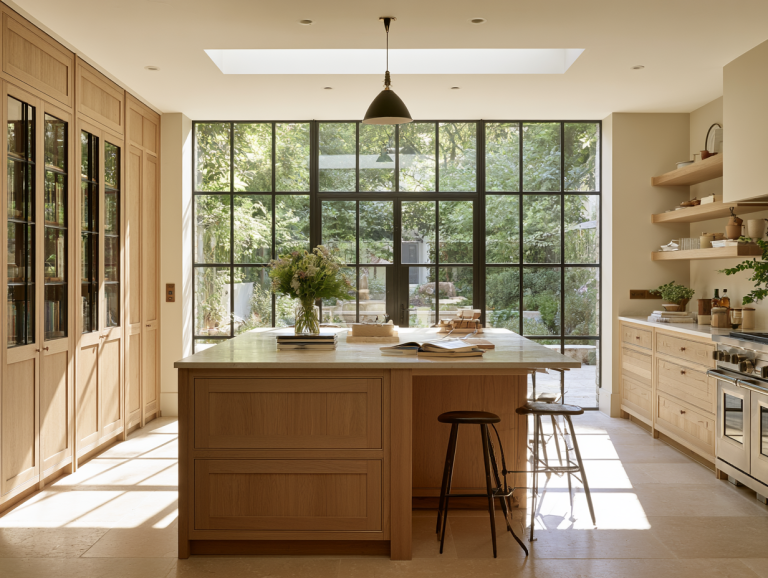
For years, many homeowners thought oak belonged in kitchens from the 1980s and 1990s. White cabinets became the trend, and oak slowly faded into the background. Today, that story has completely changed. The oak kitchen cabinet has returned as one of the most popular choices for modern homes, and it is easy to understand why.

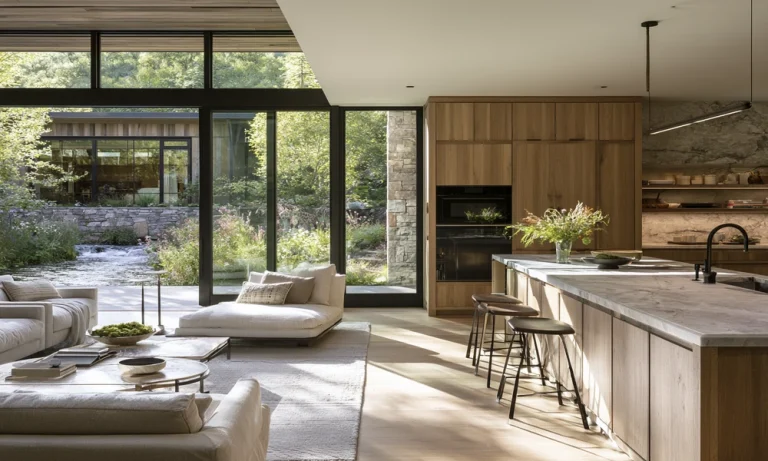
Designers and homeowners now appreciate natural materials more than ever. Warm wood tones, simple textures, and timeless finishes have replaced cold, overly polished spaces. Oak fits perfectly into this new style because it brings warmth, durability, and beauty without trying too hard.

If you are planning a kitchen remodel or building a new home, understanding why oak has made such a strong comeback can help you create a kitchen that stays stylish for many years.

The Journey of Oak Cabinets Through Time

Oak has been used in furniture and cabinetry for hundreds of years. Its strength made it a favorite for craftsmen long before modern kitchen designs existed.

During the late 20th century, honey-colored oak cabinets became common in homes across North America. Eventually, many homeowners wanted cleaner and brighter spaces, leading to the rise of painted cabinets in white, gray, and cream.

However, trends always evolve.

Today’s kitchens focus on natural materials, sustainability, and timeless design rather than following short-lived fashion trends. This shift has given oak a fresh identity. Instead of heavy orange finishes, modern oak features soft natural colors, matte finishes, and clean cabinet lines.

The result is a cabinet that feels modern while still offering classic charm.

Why Oak Feels Perfect for Modern Kitchens

Modern design is no longer only about sleek white surfaces. People now want kitchens that feel warm, welcoming, and comfortable.

Oak naturally delivers all of these qualities.

Unlike some wood species that appear too dark or too plain, oak has a balanced grain pattern that creates visual interest without overwhelming the room.

Modern oak kitchens often feature:

  • Flat-panel cabinet doors
  • Slim hardware
  • Soft natural finishes
  • Hidden storage
  • Open shelving
  • Minimal decorations

This combination allows oak to become the star while keeping the overall kitchen calm and elegant.

The Beauty of Oak Grain

One reason homeowners continue choosing oak is its unique grain.

Every piece of oak is different. The natural lines, knots, and textures give every cabinet its own personality.

Unlike artificial materials, real wood creates depth that changes throughout the day as sunlight moves across the room.

This living appearance helps kitchens feel more connected to nature.

Whether viewed from across the room or up close, oak always provides rich visual texture that never feels artificial.

White Oak vs. Red Oak

When choosing oak cabinets, homeowners usually compare two popular options.

White Oak

White oak has become the favorite choice for modern kitchens because it offers:

  • Light golden color
  • Straight grain
  • Contemporary appearance
  • Excellent durability
  • Better moisture resistance

It works beautifully in minimalist and Scandinavian-inspired kitchens.

Red Oak

Red oak offers:

  • Warmer undertones
  • More noticeable grain
  • Traditional character
  • Slightly lower cost

It remains an excellent option for homeowners who prefer a classic style with more visible wood texture.

Both choices are durable and long-lasting, making either one a smart investment.

Natural Colors Are Replacing Bright Paint

Modern homeowners are moving away from overly bright kitchens.

Instead, designers now combine natural wood with soft neutral colors.

Popular combinations include:

  • Oak with white quartz countertops
  • Oak with black hardware
  • Oak with cream walls
  • Oak with warm gray flooring
  • Oak with natural stone backsplashes

These combinations create kitchens that feel calm instead of cold.

Natural colors also age better than trendy paint colors, helping your kitchen remain stylish longer.

Oak Works with Nearly Every Design Style

One of oak’s biggest strengths is its flexibility.

It can easily fit into many different kitchen styles.

Scandinavian

Light oak creates bright, airy spaces filled with simplicity.

Modern Farmhouse

Oak pairs beautifully with white walls, black fixtures, and farmhouse sinks.

Japandi

The clean grain of oak matches perfectly with Japanese-inspired minimalism.

Contemporary

Flat oak panels combined with hidden handles create sleek modern kitchens.

Rustic

Visible grain and natural finishes highlight oak’s traditional beauty.

Very few materials work this well across so many styles.

Durability That Lasts for Decades

Beauty matters, but durability matters even more.

Oak is a hardwood known for its impressive strength.

It handles:

  • Daily cooking
  • Heavy cabinet doors
  • Busy family kitchens
  • Moisture
  • Minor bumps
  • Everyday wear

When properly maintained, oak cabinets can easily last several decades.

Many homeowners even pass solid oak cabinetry from one generation to the next.

That level of longevity makes oak a valuable long-term investment.

Oak Ages Gracefully

Unlike many trendy materials that quickly look outdated, oak actually becomes more beautiful over time.

As the wood matures, it develops richer color and deeper character.

Small signs of use often add charm instead of reducing value.

This natural aging process is one reason luxury homes frequently include real wood cabinetry.

Instead of replacing cabinets every decade, homeowners simply refresh finishes when needed.

Sustainability Makes Oak Even More Attractive

Many homeowners now think carefully about environmental impact.

Oak is considered one of the more sustainable cabinet materials when sourced responsibly.

Many manufacturers use wood from responsibly managed forests where new trees are planted after harvesting.

Choosing long-lasting cabinets also reduces waste because they rarely need early replacement.

Instead of buying inexpensive cabinets multiple times, homeowners invest once and enjoy them for decades.

Oak Creates Warmth That Paint Cannot Match

Paint can create color.

Wood creates feeling.

Walking into a kitchen filled with natural oak immediately feels different.

The space feels:

  • Comfortable
  • Relaxing
  • Inviting
  • Cozy
  • Timeless

This emotional connection explains why wood continues returning to interior design despite changing trends.

People naturally enjoy spaces that remind them of nature.

Easy Ways to Modernize Oak Cabinets

If you already own oak cabinets, you may not need to replace them.

Simple updates can completely transform their appearance.

Consider:

  • Replacing old hardware with matte black pulls
  • Installing modern lighting
  • Adding white countertops
  • Painting surrounding walls soft neutral colors
  • Using a light natural stain
  • Updating the backsplash with large-format tiles

These small improvements can make older oak cabinetry feel completely new.

Hardware Choices That Complement Oak

Hardware has a major impact on the final look.

Popular choices include:

Matte Black

Creates bold contrast and modern style.

Brushed Brass

Adds warmth and luxury.

Satin Nickel

Offers a clean and timeless appearance.

Hidden Pulls

Perfect for minimalist kitchens.

Choosing simple hardware allows the wood itself to remain the main attraction.

Countertops That Pair Beautifully with Oak

The right countertop enhances oak’s natural beauty.

Popular options include:

White Quartz

Creates bright contrast while remaining easy to maintain.

Marble

Offers elegant veining that complements natural wood.

Soapstone

Provides dramatic contrast with dark gray tones.

Butcher Block

Creates a continuous natural appearance.

Light Granite

Adds texture without overpowering the cabinetry.

These materials help create balanced kitchens that feel both modern and welcoming.

Lighting Makes Oak Shine

Lighting changes how oak appears throughout the day.

Natural sunlight highlights the wood grain beautifully.

Layered lighting can make oak look even more inviting.

Consider adding:

  • Pendant lights over islands
  • Under-cabinet LED lighting
  • Recessed ceiling lights
  • Warm white lighting instead of cool blue bulbs

Warm lighting enhances oak’s natural color while making the kitchen feel cozy.

Why Designers Love Oak Again

Interior designers appreciate materials that remain beautiful for years rather than just a season.

Oak offers exactly that.

It blends easily with:

  • Stone
  • Glass
  • Metal
  • Concrete
  • Ceramic tile
  • Natural fabrics

This flexibility gives designers endless creative possibilities without sacrificing durability.

As a result, oak continues appearing in luxury homes, custom kitchens, and renovation projects around the world.

Common Myths About Oak Cabinets

Several myths have followed oak for years.

Myth 1: Oak Looks Old

Modern finishes have completely changed oak’s appearance.

Myth 2: Oak Is Too Busy

Today’s cleaner cabinet designs balance the natural grain beautifully.

Myth 3: Oak Only Fits Traditional Homes

Many award-winning modern kitchens now feature white oak cabinetry.

Myth 4: Oak Requires Constant Maintenance

Routine cleaning and occasional care are usually enough to keep oak looking beautiful.

These misconceptions often disappear once homeowners see today’s updated oak designs.

Is Oak Worth the Investment?

Kitchen cabinets represent one of the largest expenses during a remodel.

Choosing durable materials helps protect that investment.

Oak offers excellent value because it provides:

  • Long lifespan
  • Timeless appearance
  • High durability
  • Strong resale appeal
  • Easy refinishing
  • Design flexibility

While oak may cost more than some lower-quality materials, its longevity often makes it more affordable over the lifetime of the kitchen.

Design Tips for an Oak Kitchen You’ll Love

If you want your kitchen to feel modern and timeless, keep these ideas in mind:

  • Choose simple cabinet door styles.
  • Stick with light or medium natural finishes.
  • Avoid overly glossy coatings.
  • Use neutral wall colors.
  • Mix wood with stone and metal.
  • Keep decorative items minimal.
  • Let natural textures become the main feature.
  • Focus on quality craftsmanship instead of trends.

These principles help create kitchens that remain attractive for many years.

Final Thoughts

The return of the oak kitchen cabinet is more than a passing design trend. It reflects a larger movement toward natural materials, timeless craftsmanship, and comfortable living spaces. Modern homeowners want kitchens that feel warm, welcoming, and built to last, and oak delivers all of those qualities.

With its beautiful grain, impressive durability, and ability to complement nearly every design style, oak has earned its place as the centerpiece of today’s kitchens. Whether you choose white oak for a sleek contemporary look or red oak for a touch of traditional character, you are investing in a material that grows more beautiful with time.

As kitchen design continues to embrace simplicity, sustainability, and authenticity, oak remains one of the smartest choices for creating a space that looks just as stunning years from now as it does today.

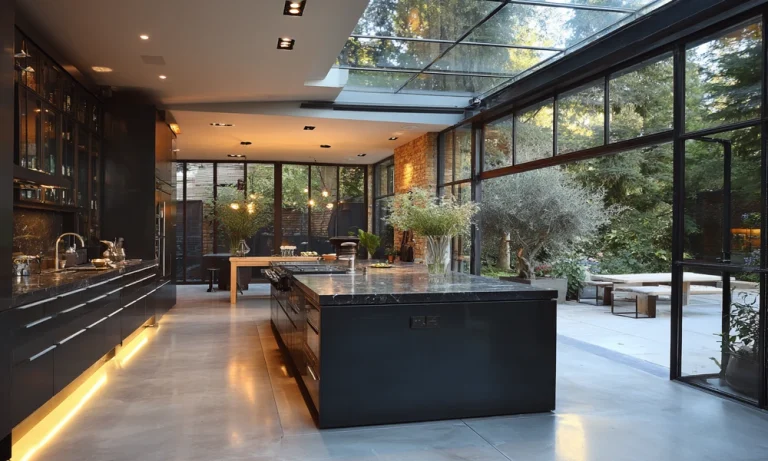
Black kitchen cabinets look stunning in photos. They feel bold, modern, and expensive. A kitchen with dark cabinets can instantly grab attention and create a luxury feel that white kitchens sometimes cannot match. That is why so many homeowners are choosing black kitchen cabinets for remodels and new builds.

But there are also things people rarely talk about before making the switch.

Many homeowners fall in love with the look online, only to discover later that black cabinets behave very differently in real life. Lighting changes everything. Dust becomes more visible. Small kitchens can suddenly feel tighter. Fingerprints appear faster than expected.

That does not mean black kitchen cabinets are a bad choice. In fact, they can be one of the most beautiful upgrades for a home. The key is knowing the hidden details before spending thousands of dollars on cabinets, countertops, and design work.

Here is what nobody warns you about black kitchen cabinets before installation.

Black Kitchen Cabinets Show More Dust Than You Expect

One of the biggest surprises homeowners notice is how quickly dust becomes visible.

On white or light wood cabinets, small particles often blend into the surface. On black kitchen cabinets, even a thin layer of dust can stand out clearly under sunlight or LED lighting.

This becomes even more noticeable if you have:

  • Large kitchen windows
  • Matte black finishes
  • Open shelving nearby
  • Pets inside the home
  • Strong overhead lighting

Crumbs, flour dust, cooking residue, and pet hair also become easier to see. Many people think black cabinets will hide messes better, but the opposite is often true.

If you want black kitchen cabinets, you should be comfortable with wiping surfaces more often than lighter cabinet colors.

Fingerprints Become Part of Daily Life

Another thing people rarely mention is fingerprints.

Glossy black cabinets especially attract fingerprints around handles, edges, and drawer fronts. If children are in the house, you may notice smudges constantly appearing throughout the day.

Even matte finishes can show skin oils depending on the cabinet material and paint type.

This is why many designers recommend:

  • Soft matte finishes instead of high gloss
  • Handle pulls instead of push-to-open systems
  • Textured surfaces that reduce visible smudges

Without planning ahead, black kitchen cabinets can quickly start looking messy even when the kitchen is technically clean.

Lighting Matters More Than Cabinet Color

Lighting can completely change how black kitchen cabinets feel.

In a bright showroom, black cabinets may look elegant and balanced. But inside a real home with limited natural light, the same cabinets can feel heavy and dark.

This is one of the biggest mistakes homeowners make. They focus only on cabinet color without thinking about the room’s lighting conditions.

Black kitchen cabinets work best when combined with:

  • Large windows
  • Warm under-cabinet lighting
  • Light-colored walls
  • Reflective surfaces
  • Bright countertops
  • Open layouts

Without enough light, dark cabinets can absorb brightness instead of reflecting it. The kitchen may feel smaller and less welcoming over time.

Before choosing black kitchen cabinets, always test samples in morning, afternoon, and nighttime lighting.

Small Kitchens Can Feel Even Smaller

Black is visually heavy. That matters more than people realize.

In large kitchens, black kitchen cabinets can create dramatic contrast and luxury. But in compact kitchens, too much black may close the room in visually.

This is especially true when homeowners choose:

  • Black upper cabinets
  • Black walls
  • Dark flooring
  • Dark countertops
  • Minimal lighting

The result can feel boxed in rather than modern.

That does not mean small kitchens cannot use black kitchen cabinets successfully. The trick is balance.

Many designers now mix black lower cabinets with:

  • White upper cabinets
  • Wood shelves
  • Bright backsplashes
  • Natural oak accents
  • Light stone countertops

This creates depth without making the room feel too dark.

Scratches Are Easier to Notice

Many people assume dark cabinets hide wear and tear. In reality, scratches on black kitchen cabinets often become very noticeable.

Small chips can expose lighter material underneath, especially on painted MDF or laminate cabinets. Over time, areas near handles and corners may show signs of use faster than expected.

This becomes more obvious in busy homes where cabinets are opened constantly.

The visibility of scratches depends on:

  • Cabinet material
  • Paint quality
  • Finish type
  • Daily usage
  • Cleaning habits

High-quality finishes usually perform much better than cheap painted surfaces. Investing in durable materials matters more with black cabinets because flaws are easier to spot.

Black Kitchen Cabinets Can Feel Trendy Later

Black kitchen cabinets are very popular right now. That popularity is both good and risky.

Trends change quickly in interior design. Some homeowners later worry that their kitchen may look dated after several years if dark cabinet trends slow down.

This happened before with:

  • All-gray kitchens
  • Cherry wood cabinets
  • Tuscan-style kitchens
  • Bright red accent walls

The safest approach is designing a balanced kitchen instead of chasing trends too aggressively.

You can make black kitchen cabinets feel more timeless by combining them with natural materials like:

  • Wood textures
  • Stone surfaces
  • Warm lighting
  • Neutral walls
  • Brass or brushed metal hardware

Timeless kitchens usually mix trends with classic design choices.

They Can Increase Heat Absorption

This sounds minor, but it surprises some homeowners.

Dark surfaces absorb more heat than lighter surfaces. In kitchens with strong sunlight, black kitchen cabinets near windows may become warmer during the day.

While this usually does not damage cabinets, it can slightly affect comfort and visibility under intense sunlight.

In warmer climates, balancing dark cabinets with ventilation and natural airflow becomes more important.

Cleaning Products Matter More Than You Think

Not all cleaners work well on black kitchen cabinets.

Some strong chemical cleaners leave streaks or dull spots, especially on matte finishes. Others create shiny patches that make the surface look uneven over time.

Many homeowners accidentally damage the appearance by using rough cleaning pads or harsh sprays.

For black kitchen cabinets, gentle microfiber cloths and cabinet-safe cleaners usually work best.

Simple maintenance habits can keep cabinets looking new much longer.

Black Cabinets Change the Mood of the Entire House

Kitchen color affects emotional atmosphere more than many people expect.

White kitchens often feel airy and casual. Wood kitchens feel warm and natural. Black kitchen cabinets create a mood that feels dramatic, modern, and structured.

Some people absolutely love that feeling.

Others later realize they preferred something softer and brighter for everyday living.

This is why you should not choose black kitchen cabinets only because they look beautiful online. You should think about how you want your home to feel emotionally every day.

A kitchen is not just for photos. It is a daily living space.

The Right Hardware Makes a Huge Difference

Cabinet hardware changes everything with black kitchen cabinets.

Cheap handles can make expensive cabinets look basic. Good hardware can make simple cabinets feel luxurious.

Popular choices include:

  • Brass handles for warmth
  • Matte black hardware for a seamless look
  • Brushed nickel for a softer modern style
  • Gold accents for contrast

Even small design choices become highly visible against black surfaces.

This is why designers often spend extra time selecting hardware carefully when using dark cabinetry.

Black Kitchen Cabinets Need Balance

The biggest secret nobody warns you about is this:

Black kitchen cabinets rarely work well alone.

The most beautiful kitchens balance dark cabinets with lighter or warmer elements. Without contrast, the room can feel flat or overwhelming.

Successful black kitchens usually include combinations like:

  • White quartz countertops
  • Warm wood flooring
  • Bright backsplashes
  • Natural textures
  • Open shelving
  • Soft lighting
  • Metallic accents

Balance creates depth.

When homeowners skip this step, the kitchen may feel too dark even if the cabinets themselves look beautiful.

Matte vs Glossy Black Cabinets

This decision matters more than many people realize.

Matte Black Cabinets

Matte finishes are softer and more modern. They reduce glare and often hide fingerprints better than glossy finishes.

They create a luxury look that feels calm and understated.

However, matte finishes may sometimes show grease marks or cleaning streaks under strong lighting.

Glossy Black Cabinets

Glossy cabinets reflect light and can make a kitchen appear brighter. They create a sleek contemporary style.

But they also show fingerprints, dust, and scratches more easily.

Choosing between matte and glossy black kitchen cabinets depends on your lifestyle, lighting, and maintenance preferences.

Resale Value Can Be Complicated

Some buyers love black kitchen cabinets immediately. Others strongly prefer bright kitchens.

That means resale reactions can vary more than neutral cabinet colors.

If you plan to sell your home within a few years, extremely bold designs may narrow buyer interest slightly compared to timeless neutral kitchens.

Still, a well-designed black kitchen with good lighting and balanced materials can absolutely impress buyers.

Quality design matters more than color alone.

Black Kitchen Cabinets Photograph Better Than They Live

This is perhaps the biggest truth.

Black kitchen cabinets often look incredible in edited online photos. Professional photography uses ideal lighting, editing, angles, and staging.

Real life is different.

Daily cooking, fingerprints, clutter, changing sunlight, and dust all affect how the kitchen feels every day.

That does not mean black cabinets are a mistake. It simply means expectations should match reality.

A beautiful kitchen should work for real life, not just social media.

Are Black Kitchen Cabinets Still Worth It?

For many homeowners, absolutely yes.

Black kitchen cabinets can create one of the most stylish and memorable kitchens possible when designed correctly.

They feel bold, modern, luxurious, and high-end. They pair beautifully with wood, marble, brass, and natural textures. They can completely transform the personality of a home.

But they also require more planning than lighter cabinet colors.

Lighting, layout, finish type, maintenance, and contrast all matter deeply.

The homeowners who love black kitchen cabinets the most are usually the ones who understand both the beauty and the challenges before installation begins.

That is the real secret nobody warns you about.

Key Highlights

  • Prioritise active noise cancellation (ANC) to block out environmental distractions.
  • Check for the latest Bluetooth version to ensure a stable and lag-free connection.
  • Evaluate battery life for both the earphones and the included charging case.
  • Look for an ergonomic design and multiple ear tip sizes for a secure and comfortable fit.
  • Water and sweat resistance are essential features if you plan to use them for exercise.

Introduction

The way we listen to music and take calls has been transformed by the rise of wireless technology. No longer tethered to our devices by tangled cords, we now enjoy a level of freedom and convenience that was once unimaginable. Whether you are commuting, working out, or simply relaxing at home, a pair of high-quality wireless earphones is an essential accessory for modern life. However, with hundreds of models available at every price point, choosing the right pair can be a daunting task. Understanding the difference between basic Bluetooth earphones and premium models will help you make a choice that you will be happy with for years. By focusing on a few key technical specifications and design elements, you can find a pair that offers the perfect balance of sound quality and daily usability.

1. Sound Quality and Driver Technology

The primary function of any audio device is to deliver clear and balanced sound. When browsing for wireless earphones, look for models that support high-quality audio codecs such as AAC or aptX. These technologies ensure that the audio signal transmitted from your phone remains high-fidelity. The size and quality of the drivers inside the earphones also play a major role; larger drivers often provide a richer bass response. Many premium Bluetooth earphones now come with companion apps that allow you to customise the equaliser (EQ) settings. This means you can adjust the sound profile to suit your personal preferences, whether you enjoy a bass-heavy sound for the gym or a more neutral tone for podcasts.

2. Active Noise Cancellation and Transparency

One of the most sought-after features in modern audio gear is active noise cancellation (ANC). This technology uses internal microphones to pick up ambient sounds and create inverse sound waves to cancel them out. It is a game-changer for frequent travellers or those working in noisy office environments. Conversely, a good pair of Bluetooth earphones should also feature a “transparency” or “ambient” mode. This setting allows external sounds to pass through, making it safer to walk near traffic or easier to have a quick conversation without removing your earphones. Having the ability to toggle between these modes gives you full control over your listening environment.

3. Battery Life and Charging Options

Since they are battery-powered, the longevity of your wireless earphones is a critical consideration. Most modern units offer between 5 and 10 hours of continuous playback on a single charge. However, the charging case usually provides several additional full charges, often bringing the total listening time to over 24 hours. When evaluating your options, check if the earphones support fast charging; some models can provide an hour of playback after just 10 minutes in the case. Additionally, consider whether the case supports wireless charging, which can be a very convenient feature if you already have a Qi-compatible charging pad on your desk or nightstand.

4. Fit, Comfort, and Durability

Even the best-sounding earphones are useless if they are uncomfortable to wear. Since everyone’s ears are shaped differently, look for wireless earphones that come with multiple sizes of silicone or foam ear tips. A secure fit is not only important for comfort but also for creating a good seal, which significantly improves bass response and noise isolation. For those with active lifestyles, check the IP rating for water and sweat resistance. An IPX4 rating is usually sufficient for protecting against sweat and light rain, while higher ratings are better for more intense outdoor activities. Durable build quality ensures that your Bluetooth earphones can withstand the rigours of daily use and occasional drops.

Conclusion

Selecting the right wireless earphones involves more than just picking a stylish design. By prioritising sound quality, noise-cancelling capabilities, and battery life, you ensure that your investment provides a superior listening experience. The convenience of high-quality Bluetooth earphones cannot be overstated, offering a seamless way to stay connected and entertained throughout your day. Whether you are a professional needing clear call quality or a music lover seeking immersive audio, there is a pair of earphones out there designed specifically for your needs. Take the time to compare features and read reviews to find the perfect match for your lifestyle and budget. With the right technology in your ears, your favourite playlists and podcasts will sound better than ever.

Contact Harvey Norman Malaysia today to explore our full audio collection.

Singapore housing discussions feel longer and more practical these days, as buyers take high-priced choices carefully before making them obvious. People focus on delivery convenience, neighborhood activity, and companionship benefits, and they pay little attention to glamorous launch deals or showrooms. Daily routines sooner or later affect long-term comfort much more than fleeting happiness around new symptoms. Lucerne Grand often gets attention from buyers trying smoother city get access to by out adding useless commuting pressure to already busy driving weeks.

At the same time, the island housing is approaching citizens who prefer a quieter environment, where the evenings feel much less crowded and less disturbing, after the workplace plans are disrupted and then stopped. Both developments attract very different lifestyle expectations today.

Work Schedules Quietly Influence Residential Decisions

Most Singapore residents already spend considerable time traveling between workplaces, homes, and public facilities throughout the week. Long commuting routines slowly reduce free time and personal energy more heavily than many people first expect, honestly. Buyers increasingly think about these concerns before selecting properties seriously.

At Lucerne Grand, the ease of transport is a clear advantage, as easier movement around the business areas can lead to a more flexible daily schedule. A faster commute often allows professionals to juggle multiple imaging responsibilities without any difficulty during stressful rehearsals. The discreet advantage is especially important to households that regularly balance busy lives.

On the other hand, Island Residences attracts buyers who prefer quieter surroundings, even if transportation requires slightly longer travel sometimes. Different priorities naturally create different residential preferences among households.

Apartment Design Affects Comfort More Than Expected Later

Showroom visits usually first reveal the decorative presentation and current style, as visual impressions definitely tempt immediate interest. After the citizens have fully settled in, however, smart layout skills begin to affect many additions of steady fun over the years. Storage conditions, living areas and kitchen arrangements all form the study of ordinary life.

Several customers reviewing the Lucerne Grand mention that the rental arrangements look ready and focus on the green use of compact Singapore residential areas. Functional planning often promotes less complicated maintenance and a smoother daily life without developing pointless clutter sometimes.

Meanwhile, Island Residences attracts residents who prefer a softer interior atmosphere and more relaxed overall room spacing. Emotional comfort inside the home increasingly matters for many Singapore buyers today.

Surrounding Environment Slowly Changes Daily Living Experience

The neighborhood surrounding any residential development eventually becomes part of regular daily life after moving in permanently. Nearby traffic, crowd activity, and evening noise levels slowly influence satisfaction much more heavily than expected initially. Buyers now pay closer attention to these details during property comparisons.

Lucerne Grand is usually in an active setting with easy access to transportation routes, shopping areas, and dining facilities, even during busy weeks. That convenience suits residents who prefer quicker access to everyday necessities.

In assessment, the island estates feel quieter due to the fact that the surrounding interests seem much less extravagant compared to neighboring areas in Singapore. Many families will find quieter residential environments after already spending full working days in indoor, crowded commercial environments.

Financial Planning Continues Shaping Property Evaluations

Housing prices in Singapore clearly raise cautious questions before huge investments happen. Buyers are increasingly lucky comparing apartment interest, retention expectations and neighborhood development, instead of responding most easily to the hype around projections.

Some agents are deciding on Lucerne Grand because center-related activities continue to tempt specialists who are regularly looking for suitable properties. Accessibility. The appeal of property in Singapore strongly adheres to the appeal of pattern through unique market conditions.

Others lean toward island housing because the violence-free environment can also lead to balanced long-term residential comfort for families who prefer reduced urban pressures in public. Individual preferences generally strongly determine the final acquisition options the most.

Conclusion

Choosing between Lucerne Grand and Island Residences depends on your commuting needs, the surrounding area and your lifestyle preferences. These days, some clients throughout Singapore find it easy to locate lots of transportation because pesky schedules already stress enough throughout each day’s sporting events. Others appreciate a quieter environment, where home life is quieter and much less bound by daily travel outside the city. Housing features, nearby centers, and network conditions all typically influence long-term housing success after permanent indoor placement. Buyers should carefully evaluate discreet living elements rather than rely on advertising, marketing displays or attractive showroom displays. You can also choose a satisfactory destination accommodation after a personal consultation with informed bags and luggage professionals in Singapore.

Key Takeaways:

  • Regular HVAC maintenance enhances system efficiency, resulting in lower energy bills.
  • Consistent inspections prevent expensive emergency repairs by catching problems early.
  • Upkeep helps extend the life of HVAC equipment, postponing the need for full system replacement.
  • Clean filters and components improve the air quality within your home.
  • Maintaining your system according to schedule helps to keep manufacturer warranties valid.

Introduction

Modern homeowners depend on their HVAC systems to maintain a comfortable living space year-round. These sophisticated systems quietly manage temperature and air quality, but they require regular care to function at their best. Ignoring scheduled maintenance can lead to costly problems and interruptions when you need your system most. To safeguard comfort and maximize your investment, routine check-ups are essential. If you are looking for tailored solutions, the McNorton air handler control can help you optimize and efficiently control your HVAC system.

Skimping on ongoing maintenance may seem economical in the short term, but this choice often results in higher operating costs, increased risk of breakdown, and reduced air quality. Over time, neglected HVAC systems lose performance and reliability, eventually leading to avoidable expenses that far exceed the modest cost of routine upkeep.

Lower Energy Bills Through Improved Efficiency

A regularly serviced HVAC system can operate at peak efficiency year after year. One of the simplest yet most effective maintenance steps is to replace or clean air filters. Clogged or dirty filters force your system to work harder, increasing energy consumption and resulting in higher utility bills. According to the U.S. Department of Energy, properly replacing a dirty filter can reduce your HVAC system’s energy use by up to 15 percent. This efficient operation not only saves you money but also reduces wear and tear on key components.

Besides filter checks, routine tasks such as cleaning coils, clearing drain lines, and adjusting thermostats help ensure the system maintains optimal performance. Technicians equipped with expertise and advanced tools can calibrate your system to reduce wasted energy while keeping your space comfortably conditioned.

Preventing Costly Repairs

The unexpected costs of HVAC breakdowns can often be avoided with preventive maintenance. During scheduled service visits, professionals inspect all moving parts, check for leaks, and identify signs of wear that could lead to sudden failure. Minor problems, such as refrigerant leaks or worn belts, can escalate into severe issues if left unchecked, leading to major repairs or a total system shutdown.

Diagnostic tools used by technicians help spot inefficiencies and hidden problems early, and integrating hybrid AI HVAC operations can further enhance this process by leveraging data-driven insights to predict potential failures before they occur. This allows you to schedule affordable repairs at convenient times rather than calling for expensive emergency service. Catching problems early can mean the difference between a simple adjustment and a complex, days-long repair that disrupts your family’s comfort.

Additionally, planned servicing reduces the risk of unexpected issues during peak system demand, such as during extreme heat waves or cold snaps. When your system receives professional attention before seasonal changes, you benefit from reliable operation right when you most depend on it. The practice of scheduling tune-ups before these critical periods helps detect and address hidden wear or low refrigerant levels that could otherwise go unnoticed until the system strains under high workloads. This proactive approach ensures your household stays comfortable without the stress of sudden and inconvenient HVAC failures.

Extending System Lifespan

HVAC systems are significant investments for any property owner. Regular maintenance protects this investment by reducing the risk of breakdowns and extending the usable life of your equipment. Clean, well-lubricated components experience less stress and wear, reducing the likelihood of premature system replacement. According to Consumer Reports, regular tune-ups can add years to your HVAC system, improving your return on investment and giving you more time to plan for future upgrades.

Performing scheduled maintenance also helps keep key components such as compressors, blowers, and thermostats functioning optimally. These parts often represent the most expensive elements of your system, so regular inspections and servicing are especially important for long-term savings. Homeowners who prioritize maintenance avoid the financial impact and inconvenience of replacing major system components before they reach their expected service life.

Improving Indoor Air Quality

Indoor air quality is closely tied to the condition of your HVAC system. Dust, pollen, pet dander, and other contaminants can easily be circulated by a system with dirty filters or components. Regular filter replacement, duct cleaning, and system sanitization keep your home’s air cleaner and healthier, reducing the frequency of allergy symptoms and respiratory issues.

The U.S. Environmental Protection Agency (EPA) notes that indoor air pollutants can be two to five times higher than outdoor concentrations. Proper upkeep of your HVAC system is one of the most effective strategies for reducing these pollutants and promoting a safer living environment.

For households with pets, smokers, or young children, maintaining superior air quality is even more critical. Excess debris or contaminants can exacerbate asthma and other respiratory conditions, but routine HVAC maintenance helps create a healthier, more comfortable environment. Investing in high-efficiency particulate air (HEPA) filters or ultraviolet (UV) sanitation as part of your service plan can further help minimize allergens and microbial growth in your system and ductwork, contributing to better overall wellness for your family.

In addition to keeping the air inside your home clean, well-maintained HVAC systems can also help regulate humidity levels. Excess moisture in the air can encourage the growth of mildew and mold, both of which pose significant health risks. Maintenance tasks such as cleaning the evaporator and condenser coils, as well as ensuring that drain lines remain unobstructed, are especially important for preventing such issues. This regular attention minimizes the risk of mold spores being circulated throughout your living environment and keeps odors at bay. For those with allergy sensitivities, maintaining balanced humidity and eliminating the potential for mold growth is as important as regular filter changes. Over time, prioritizing these measures not only makes your home more comfortable but also healthier for everyone living in it.

The benefits of cleaner indoor air also extend beyond family health. By continually capturing dust and debris before they settle on furniture and appliances, a well-maintained HVAC system can even save you time on housekeeping. Cleaner surfaces, fewer dust bunnies, and less time spent dusting or vacuuming are a welcome bonus for any busy household.

Maintaining Manufacturer Warranties

Many HVAC equipment warranties require proof of routine professional maintenance as a condition. If you skip these regular check-ups or attempt to service the system yourself, you risk voiding your warranty. This omission could leave you unprotected against unexpected repair or replacement costs if something fails during the coverage period. Keeping maintenance records ensures you remain eligible for warranty service, which can provide significant financial protection in the event of a system malfunction.

Besides ensuring compliance with warranty terms, these service records also offer valuable documentation should you choose to sell your home in the future. Prospective buyers often view well-documented HVAC maintenance as a sign that the property has been responsibly cared for, potentially increasing the home’s market value and helping it stand out in a competitive real estate market.

It is also worth noting that modern HVAC systems are more technologically advanced than ever, often requiring specialized knowledge and diagnostic equipment for proper maintenance. Certified technicians understand the specifics of your model and follow best practices directly aligned with manufacturer recommendations, further safeguarding your warranty coverage. In addition, some manufacturers offer extended service plans or rebate programs that require proof of ongoing professional attention, another reason to stay current with scheduled HVAC care. These added benefits can provide even greater peace of mind regarding both system performance and long-term financial protection.

Expanding the Value of Routine HVAC Maintenance

The advantages of routine HVAC maintenance go beyond what many homeowners realize. While the direct benefits include improved efficiency, fewer repairs, better air quality, and longer equipment lifespan, there are subtle yet valuable perks as well. Among them: modern maintenance programs often include priority scheduling, discounted repair services, and detailed seasonal performance reviews. These extras can help you budget for upgrades and repairs and anticipate issues before they become problems, keeping life at home stress-free throughout the year.

Another growing trend is the integration of smart home technology into HVAC systems. Smart thermostats, remote diagnostics, and connected sensors can alert both homeowners and service professionals to issues like filter changes or abnormal system performance. By combining these modern tools with a disciplined maintenance schedule, you enjoy a smarter, safer, and more consistent indoor environment. Some service providers also offer predictive maintenance based on real-time data, further reducing the risk of costly failures during peak usage periods.

Moreover, many municipalities and utility companies offer rebates or incentives for regular maintenance or system upgrades that improve energy efficiency. Participating in these programs not only reduces your out-of-pocket costs but also supports broader efforts to reduce community-wide energy consumption and environmental impact. Consulting with your HVAC professional about energy-saving upgrades or available rebates can lead to considerable long-term financial benefits.

Last but not least, scheduled maintenance encourages a relationship with trusted service professionals who get to know your system’s quirks and history. This familiarity often translates to more accurate diagnostics, faster response times, and added confidence in the work being performed. In an age where many service needs can feel transactional, having a reliable expert invested in your comfort adds a human touch and peace of mind that’s always worth the extra effort.

Final Thoughts

Yearly HVAC maintenance is more than a suggestion; it is a cost-saving strategy that keeps your system running smoothly, your energy bills manageable, and your indoor air quality high. By investing in scheduled maintenance, homeowners can enjoy reliable comfort while avoiding expensive surprises. Whether extending equipment lifespan or maintaining warranty coverage, every effort ensures peace of mind and long-term savings. Prioritizing HVAC care today promises both immediate and lasting rewards.

Your roof is one of the most important parts of your property. It protects your home or building from rain, wind, and sun. Over time, roofs can develop problems. When this happens, owners often ask: Should I repair the roof or replace it? The answer depends on the condition of the roof and the extent of the damage.

When Roof Repair Is Enough

Roof repair is usually the best option when the damage is small. This can include a few missing shingles, minor leaks, or small cracks.

Repairs are faster and more affordable than a full replacement. Fixing small issues early can prevent them from becoming bigger problems.

If the roof is still in good overall condition, repair is often the recommended choice.

When Roof Replacement Is Needed

Sometimes, repair is not enough. If the roof has widespread damage, multiple leaks, or structural issues, replacement may be the better option.

Older roofs that are near the end of their lifespan may also need to be replaced. A new roof provides a fresh start and better long-term protection.

While replacement costs more upfront, it can save money over time by reducing the need for repeated repairs.

Cost Considerations

Repairing a roof is usually less expensive in the short term. It requires fewer materials and less labor.

Replacement has a higher initial cost because it involves removing the old roof and installing a new one. However, it may be more cost-effective in the long run if the roof is severely damaged.

Time and Disruption

Repairs are usually quick and cause less disruption. Many repairs can be completed in a day.

Replacement takes more time and planning. It may take several days, depending on the size of the roof. However, it provides a long-lasting solution.

Safety and Protection

A damaged roof can lead to serious problems if not fixed. Leaks can cause water damage, mold, and structural issues.

Choosing the right solution helps keep your property safe and protected.

Making the Right Decision

The best choice depends on the condition of your roof. A professional inspection can help determine whether repair or replacement is needed.

Acting early can help you avoid bigger problems and higher costs.

At RoofElite, we help property owners make the right decision for their roofing needs. We inspect your roof carefully and explain whether repair or replacement is the best option. We provide honest advice and high-quality work you can trust. When you work with RoofElite, we are committed to protecting your property with reliable and long-lasting roofing solutions.

This post was written by a professional at RoofElite. RoofElite is one of the top metal roof companies near you, proudly serving Central Florida with fully licensed and insured service. As licensed roofers near you, we specialize in metal, shingle, tile, and flat roofing. Known for exceptional craftsmanship and lasting results, we’re among the best roofers near you for installation, repairs, and more. Trust RoofElite for durable, high-quality roofing solutions. Click here for more!