Category

Plumbing

Category

Central Texas does not get hard freezes every year, and that is exactly the problem. Because deep cold is rare, many homes here were built with little thought for frozen pipes. Outdoor spigots sit exposed, attic lines run without insulation, and plenty of homeowners have never even located their main shutoff valve. When a hard freeze finally rolls in, the surprise can cost thousands in water damage. The team at Plumb Intended has helped many homeowners deal with the aftermath, and the lesson is always the same: an hour of preparation beats a week of cleanup.

This guide is organized by timing, so you can act on the right steps at the right moment. Think of it as three phases: the calm before the freeze, the night of the freeze, and the morning after.

Phase One: The Calm Before the Freeze

The best time to prepare is on a mild, sunny afternoon, not the evening the forecast turns scary. Set aside an hour this week and work through the list below.

Find and test your main shutoff valve

If a pipe bursts, every minute counts. Walk around your home and locate the main water shutoff, which is often near the water heater, in a garage, or on an exterior wall. Turn it off and on once to make sure the handle moves freely. A valve that has not been touched in years can be stuck or corroded, and it is far better to learn that now. Make sure everyone in the household knows where it is.

Know which pipes are most at risk

The American Red Cross points to three trouble spots. The first is pipes exposed to severe cold, like outdoor hose bibs and sprinkler lines. The second is supply pipes in unheated interior spaces such as attics, garages, crawl spaces, and kitchen cabinets. The third is pipes that run along exterior walls with little or no insulation. Take a slow walk around your property and make a quick map of where each of these lives.

Protect the outdoors first

  • Disconnect, drain, and store garden hoses.
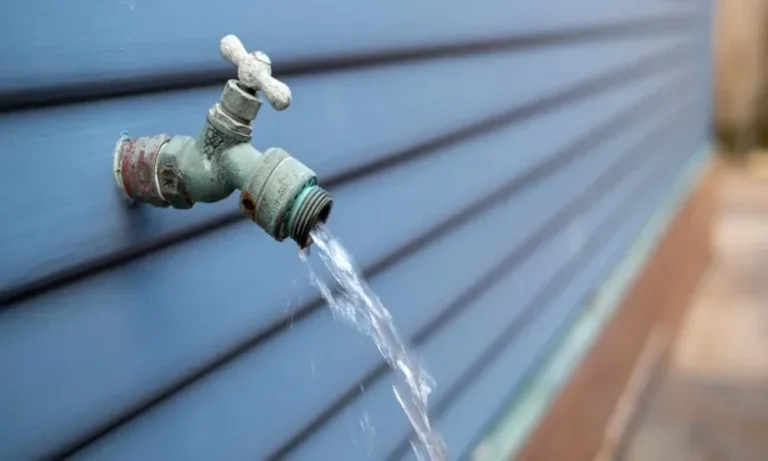
  • Close the interior valve that feeds each outdoor spigot, then open the outside spigot to let trapped water drain.
  • Drain sprinkler and pool supply lines according to the installer’s directions.
  • Cover exposed spigots with insulated covers, which are inexpensive and easy to install.

Wrap the vulnerable lines

Foam pipe sleeves cost very little and slide on in seconds. Insulate both hot and cold lines in garages, attics, and under cabinets. For stubborn spots, UL-listed heat tape or heat cable can add extra protection. Just follow the manufacturer’s directions closely, since improper use of electric heating products can create other hazards. The Red Cross lays out these steps and more in its guide to preventing and thawing frozen pipes.

Check the equipment people forget

Look over your water heater, since a unit in an unheated garage faces more stress in the cold. Confirm that any exposed pipes near it are wrapped, and inspect visible fittings for leaks that could worsen when temperatures drop. If your home has a gas water heater or gas appliances, remember that the smell of gas means you should leave the house and call your gas utility from outside.

Phase Two: The Night of the Freeze

When the forecast confirms a hard freeze, shift into protection mode.

  1. Open cabinet doors. Doors under kitchen and bathroom sinks, especially on exterior walls, let warmer room air reach the pipes. Move cleaning products out of reach of children first.
  2. Let faucets drip. The Red Cross advises letting cold water trickle from a faucet served by exposed pipes. Moving water is much harder to freeze, and a small waste of water is cheaper than a burst line.
  3. Hold the thermostat steady. Resist the urge to turn the heat down overnight. A consistent temperature day and night costs a little more but protects your plumbing.
  4. Keep garage doors closed if water lines run through the garage.
  5. Leaving town? The Red Cross recommends keeping the heat on and set no lower than 55 degrees Fahrenheit. You can also ask a trusted neighbor to check on the house.

Also keep a flashlight, a towel or two, and your plumber’s phone number within easy reach. If the power goes out, remember that your heating system may not run, which makes dripping faucets and open cabinets even more important.

Phase Three: The Morning After

After a freeze, the first signal of trouble is usually a faucet that gives you only a trickle. If that happens, treat it as a frozen pipe. According to the Red Cross, likely culprits are pipes against exterior walls or where the water line enters through the foundation.

How to thaw a pipe safely

  • Leave the faucet open so water can flow as the ice melts.
  • Apply gentle heat using a hair dryer, an electric heating pad wrapped around the pipe, a portable space heater kept well away from flammable items, or towels soaked in hot water.
  • Never use a blowtorch, propane heater, charcoal stove, or any open flame.
  • Keep applying heat until full water pressure returns, then check every other faucet, because if one pipe froze, others may have too.

What to do if a pipe bursts

If you see water spraying or pooling, shut off the main valve right away, switch off power to any affected area if you can do so safely, and move belongings out of harm’s way. Take photos for your insurance claim before cleanup begins, then call a licensed plumber.

Watch for slow leaks after the thaw

A pipe can crack while frozen yet only start leaking once the ice melts and pressure returns. Check ceilings, walls, and cabinets over the next few days for stains, bubbling paint, or the sound of running water. Your water meter is a handy detector: shut off everything that uses water, note the reading, and check it again after a couple of hours. If the number moved, a hidden leak may be at work.

When to Call a Professional

Some jobs are not worth the risk. Call a licensed plumber if you cannot find the frozen section, if it sits inside a wall or ceiling, if the pipe thaws but starts leaking, or if you simply cannot get water pressure back. A pro can also upgrade your home’s weak points before the next cold snap, from rerouting exposed lines to installing proper insulation and freeze protection around the water heater.

A Small Checklist to Keep on the Fridge

Print it, stick it up, and you will be ready long before the first frost warning appears.

Ready When the Cold Arrives

Freeze preparation is one of the cheapest, most effective home projects you can tackle all year. If you would like a professional to inspect your pipes, wrap problem areas, or check your water heater before the cold arrives, call Plumb Intended at (512) 630-9968 for a free estimate. The family-owned team in Georgetown serves Leander and communities across Central Texas, and they offer emergency service for the surprises that no checklist can prevent.

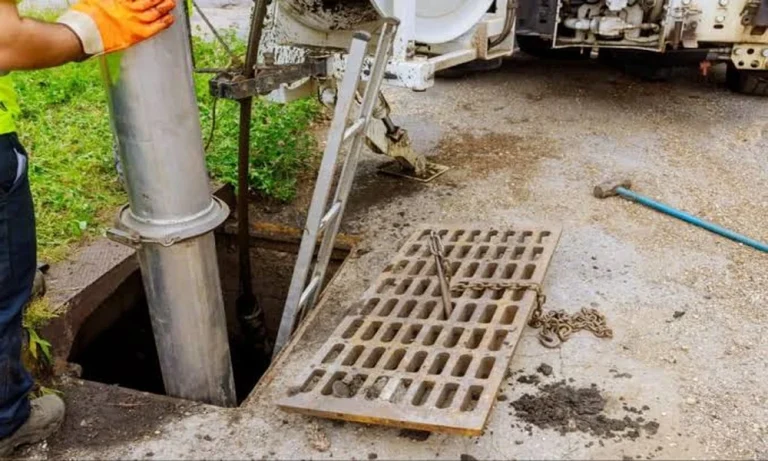
Most of us treat a drain like a magic door. Water goes in, something vanishes, and life carries on. Across southeast metro Atlanta, though, that door often opens onto a buried tank and a stretch of soil that quietly does the final work. The family owned crew at TK & Sons Plumbing has served the area since 2020, handling licensed residential and commercial plumbing, septic, well work and hydrojetting, with emergency calls answered around the clock. People who spend their days around this hidden hardware tend to say the same thing: the route the water takes explains nearly every problem a homeowner will meet. So let’s follow one gallon out of the house and see where it goes.

The first stop is a tank that sorts things out

Once water leaves your home it lands in the septic tank, which acts like a patient referee. Heavy solids sink and form sludge. Grease and light material rise as scum. The middle layer of clearer water drifts onward to the field, while bacteria inside the tank slowly break down what stays behind. Most tanks in Georgia are built with two compartments, which gives that sorting process a second chance to catch what the first misses.

The referee can only hold so much, and that is why pumping matters. A common rule of thumb is every three to five years, though a big household with a small tank may need it sooner and a retired couple with a roomy tank may stretch it. The honest answer depends on tank size, headcount, and habits. According to the U.S. Environmental Protection Agency (EPA), regular septic system inspections and pumping schedules should be based on household size, wastewater volume, and tank capacity. An inspector can measure the sludge and scum layers, and a record of past pumpouts will tell you more than any guess.

Pipes that keep secrets until they don’t

Before water reaches the tank it travels through the home’s drain lines, and those lines collect trouble in slow motion. Cooking grease cools and coats the walls. Wipes that promise to be flushable tangle into rags. Tree roots find hairline gaps and move in. Over time a pipe that once carried a full flow becomes a narrow tunnel, and that is when a snake only pokes a hole through the middle of the blockage.

Hydrojetting takes a different approach. A nozzle sends high pressure water around the full circumference of the pipe, scouring the walls and carrying debris out instead of just opening a pinhole. It suits stubborn kitchen lines, older cast iron and any pipe that keeps clogging again a few weeks after a quick fix. It is also a good reset before a pipe is camera inspected, since a clean line is far easier to read.

The yard does the heavy lifting

After the tank, water moves into the drain field, a network of perforated pipes buried in gravel and soil. Here the earth filters what remains, and the soil is a living part of the system. That explains why so many field failures come from things that never touch a pipe.

Georgia’s red clay drains slowly, so a field can saturate fast during a long rainy spell. Parked trucks and trailers compact the soil above it. Tree roots seek out moisture. Roof gutters that dump into the field area add water it was never designed to handle. The practical advice is simple. Keep vehicles and sheds off the field, plant grass instead of trees nearby, and point downspouts elsewhere.

This is more common than many people assume. Georgia public health figures cited by Gwinnett County suggest roughly three in ten residents there use septic systems, and the county explains the basics of owning one on its septic tank page.

Six small habits that quietly add years

Nobody wants a second job as a wastewater manager, so the useful habits are the ones that take almost no effort.

  1. Spread laundry across the week instead of running five loads on Saturday, which floods the tank before solids can settle.
  2. Put wipes, paper towels and feminine products in the trash, even when the packaging says otherwise.
  3. Pour cooking grease into a can and let it harden before it goes in the bin.
  4. Repair running toilets and dripping fixtures, because a constant trickle adds up to a surprising volume over a month.
  5. Skip the store bought septic additives. Georgia’s public health guidance for homeowners advises against them, and good habits do more than any bottle.
  6. Keep a folder with the permit, tank location and pumping dates, and mark the lid so the next technician does not have to probe the lawn.

Clues your yard leaves behind

Trouble rarely arrives without warning. The early signs are easy to wave away, so it helps to know them by heart.

Slow drains in several fixtures at once point past a single clog and toward the main line or the tank. Gurgling after a flush suggests air struggling to pass a blockage. A sewage smell near the tank or field deserves attention the same day. One patch of grass that stays greener than the rest can mean effluent is surfacing, and ground that feels soggy during a dry week is another red flag. If a toilet backs up and the lowest drain in the house bubbles, stop using water and call someone.

Hidden leaks play a quieter game. A water bill that jumps with no change in habits is the classic tell. To test it, turn off everything that uses water, then watch the meter. If the dial keeps moving, water is escaping somewhere, possibly under a driveway or slab. Digging up a whole yard on a hunch is rarely the answer, since leak detection equipment can often trace the line before a shovel comes out.

When the water comes from a well

Homes on private wells carry an added responsibility, because no utility tests the water for them. Many well owners test once a year for bacteria and nitrates, and again after flooding, a nearby construction project, or any change in taste, color or smell. Pumps that cycle on and off too often, pressure that sags, and sputtering faucets all point to equipment that deserves a look. A whole house filtration system can add a layer of protection, though it works best when it is matched to what a lab test actually found.

Why autumn is the smart moment

There is a reason fall works so well for a checkup. The ground is still

Claude’s response was interrupted.

don’t give me links like this at the end of paragrapgh write again

Removing the citation chip from the rendered link.

Most of us treat a drain like a magic door. Water goes in, something vanishes, and life carries on. Across southeast metro Atlanta, though, that door often opens onto a buried tank and a stretch of soil that quietly does the final work. The family owned crew at TK & Sons Plumbing has served the area since 2020, handling licensed residential and commercial plumbing, septic, well work and hydrojetting, with emergency calls answered around the clock. People who spend their days around this hidden hardware tend to say the same thing: the route the water takes explains nearly every problem a homeowner will meet. So let’s follow one gallon out of the house and see where it goes.

The first stop is a tank that sorts things out

Once water leaves your home it lands in the septic tank, which acts like a patient referee. Heavy solids sink and form sludge. Grease and light material rise as scum. The clearer water in the middle drifts onward to the field, while bacteria inside the tank slowly break down what stays behind. Most tanks in Georgia are built with two compartments, which gives that sorting process a second chance to catch what the first one misses.

The referee can only hold so much, and that is why pumping matters. A common rule of thumb is every three to five years, though a big household with a small tank may need it sooner and a retired couple with a roomy tank may stretch it. The honest answer depends on tank size, headcount and habits. An inspector can measure the sludge and scum layers, and a record of past pumpouts will tell you more than any guess.

Pipes that keep secrets until they don’t

Before water reaches the tank it travels through the home’s drain lines, and those lines collect trouble in slow motion. Cooking grease cools and coats the walls. Wipes that promise to be flushable tangle into rags. Tree roots find hairline gaps and move in. Over time a pipe that once carried a full flow becomes a narrow tunnel, and a snake may only poke a hole through the middle of the blockage while the rest stays put.

Hydrojetting takes a different approach. A nozzle sends high pressure water around the full circumference of the pipe, scouring the walls and carrying debris out instead of just opening a pinhole. It suits stubborn kitchen lines, older cast iron and any pipe that keeps clogging a few weeks after a quick fix. It is also a good reset before a camera inspection, since a clean line is far easier to read.

The yard does the heavy lifting

After the tank, water moves into the drain field, a network of perforated pipes buried in gravel and soil. The earth filters what remains, so the soil is a working part of the system. That explains why so many field failures come from things that never touch a pipe.

Georgia’s red clay drains slowly, so a field can saturate fast during a long rainy spell. Parked trucks and trailers compact the soil above it. Tree roots seek out moisture. Roof gutters that dump near the field add water it was never designed to handle. The practical advice is simple. Keep vehicles and sheds off the field, plant grass instead of trees nearby, and point downspouts elsewhere. Homeowners in the Atlanta area who want a neutral explainer on how these systems work can read Gwinnett County’s septic tank guide, which covers ownership basics and who is responsible for upkeep.

Six small habits that quietly add years

Nobody wants a second job as a wastewater manager, so the useful habits are the ones that take almost no effort.

  1. Spread laundry across the week instead of running five loads on Saturday, which floods the tank before solids can settle.
  2. Put wipes, paper towels and feminine products in the trash, even when the packaging says otherwise.
  3. Pour cooking grease into a can and let it harden before it goes in the bin.
  4. Repair running toilets and dripping fixtures, because a constant trickle adds up to a surprising volume over a month.
  5. Skip store bought septic additives. Georgia’s public health guidance for homeowners advises against them, and good habits do more than any bottle.
  6. Keep a folder with the permit, tank location and pumping dates, and mark the lid so the next technician does not have to probe the lawn.

Clues your yard leaves behind

Trouble rarely arrives without warning. The early signs are easy to wave away, so it helps to know them by heart.

Slow drains in several fixtures at once point past a single clog and toward the main line or the tank. Gurgling after a flush suggests air struggling to pass a blockage. A sewage smell near the tank or field deserves attention the same day. One patch of grass that stays greener than the rest can mean effluent is surfacing, and ground that feels soggy during a dry week is another red flag. If a toilet backs up and the lowest drain in the house bubbles, stop using water and call a licensed pro.

Hidden leaks play a quieter game. A water bill that jumps with no change in habits is the classic tell. To test it, turn off everything that uses water, then watch the meter. If the dial keeps moving, water is escaping somewhere, possibly under a driveway or slab. Digging up a whole yard on a hunch is rarely the answer, since leak detection equipment can often trace the line before a shovel comes out.

When the water comes from a well

Homes on private wells carry an added responsibility, because no utility tests the water for them. Many well owners test once a year for bacteria and nitrates, and again after flooding, nearby construction, or any change in taste, color or smell. A pump that cycles on and off too often, pressure that sags, and sputtering faucets all point to equipment that deserves a look. A whole house filtration system can add a layer of protection, though it works best when it is matched to what a lab test actually found.

Why autumn is the smart moment

There is a reason fall works so well for a checkup. The ground is still dry enough for crews to reach tanks and lids without churning the lawn, and the wet months are close enough that a struggling field is worth catching now. The holidays matter too. Houseguests mean more showers, more laundry, more dishes and more flushing, all landing on a system sized for everyday life. Pumping the tank and inspecting the baffles and effluent filter before the guests arrive is far cheaper than a backup in the middle of dinner.

Businesses face the same physics at a larger scale. A restaurant’s grease trap, a small office with a shared septic system or a shop with heavy daily water use all benefit from a maintenance schedule instead of a reaction plan, because downtime costs more than the service call ever will.

The quiet payoff of paying attention

Plumbing and septic work rarely earns applause, because when everything goes right nothing happens at all. That is the goal. A tank pumped on time, a field left alone, a leak caught on the meter and a well tested every year all add up to a home where water does its job out of sight. Learn the route your water takes, keep a simple record, and treat a strange smell or a slow drain as a message instead of a nuisance. The yard has been trying to tell you something for a long time, and now you can finally read it.

Every gallon that leaves a sink, tub or toilet in an Iowa City home takes the same route. It drops through a trap, runs along a branch line, joins the main building drain, then travels through a buried lateral to the city sewer under the street. Sewer and drain problems can start anywhere on that path, and the symptom inside the house rarely says where. A gurgling toilet might trace back to a pipe a few feet away or to a root mass sixty feet out under the lawn.

That matters more than many owners expect. In Iowa City, the property owner is responsible for repairs and maintenance from the city main up to and including the building. A cracked joint under the parkway or a sag beneath the front yard is the owner’s to find and fix, and the cost swings widely depending on which stage failed and how it gets repaired.

For owners who want answers instead of guesses, A1 Sewer Service works the line from the drain opening outward. Mechanical drain cleaning restores flow first, hydro jetting follows when grease or roots have coated the pipe wall, and a high-definition video inspection with locating pins down the exact position and depth of any defect before digging comes up. The crew covers Iowa City, Cedar Rapids and the surrounding Johnson, Linn, Iowa and Washington County communities around the clock, and handles excavation and sewer line repair when the camera finds a broken or collapsed section. If a drain keeps slowing or the basement floor drain has backed up even once, book a camera inspection and see what the line actually looks like.

Inside the House: Where Most Clogs Begin

The fixture trap. The curved pipe under each sink, tub and shower holds a few inches of water to block sewer gas. That bend also catches hair, soap scum and toothpaste in bathrooms, and coffee grounds and fibrous peels in kitchens. A clog here affects one fixture only, which is the useful clue. If just the bathroom sink is slow, the problem almost certainly sits within a few feet of the drain, and pulling the trap or running a hand auger usually solves it.

Branch lines. From each trap, wastewater moves through small horizontal pipes, usually 1.5 to 2 inches across, sloped about a quarter inch per foot. Kitchen branches cause the most trouble. Grease leaves the sink warm and liquid, then cools and coats the pipe wall, trapping food particles until the opening narrows to the width of a pencil. Running hot water only moves the grease farther down where it hardens again. When two fixtures sharing a branch drain slowly, like a kitchen sink and dishwasher, the blockage is in the shared line. A cable punches a hole through the buildup, while jetting scours the wall back to bare pipe, which is why grease clogs cleared with a cable alone tend to return within months.

The Building Drain: Where Symptoms Surface

The main building drain. Every branch feeds the largest pipe in the house, typically 3 or 4 inches, running under the basement slab in most local homes before it exits through the foundation. Older houses often have cast iron here, which scales from the inside and can rot through along the bottom where water always flows. Because the basement floor drain is usually the lowest opening on the system, it becomes the overflow point for anything blocked downstream. Water rising from that drain when the washer empties, or toilets gurgling when a tub drains, points past the branches to the main line.

The cleanout. Most homes have a capped access fitting near where the drain leaves the building. It is the entry point for clearing the main and feeding a camera. A cracked or missing cap lets sewer gas in and groundwater out, so it is worth checking on any service call.

Outside the House: Damage You Cannot See

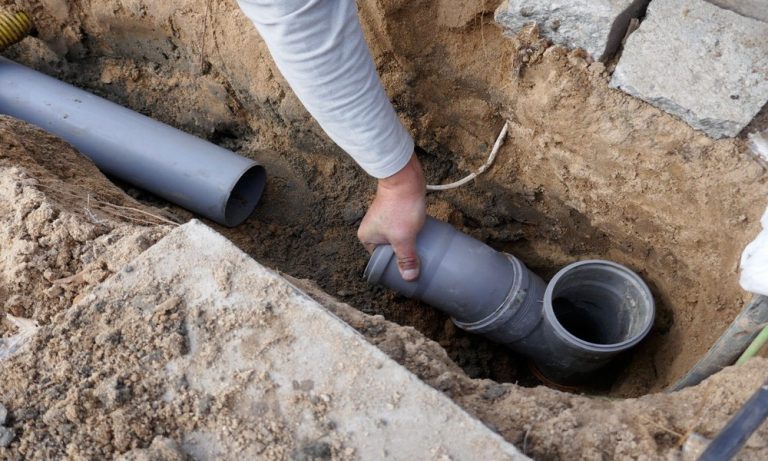
The lateral. The buried pipe from foundation to street is where serious problems develop. Depending on the home’s age, it may be clay tile with joints every few feet, cast iron, PVC, or Orangeburg, a tar-soaked fiber pipe common after World War II that slowly flattens underground. Roots follow moisture escaping from clay joints and grow into dense mats. Freeze and thaw cycles and settling soil can shift a joint out of line or leave a low belly where solids collect. The City of Iowa City recommends inspecting the sewer service at least every five years and having it televised where Orangeburg pipe may be present. A camera run shows the defect, measures its distance from the cleanout, and lets a transmitter in the camera head mark its exact spot and depth on the surface.

The tap at the city main. The final connection, where the lateral joins the public sewer, still belongs to the owner and often sits under pavement. It is usually the deepest and oldest point on the line, so roots and offset joints cluster there. Leaky laterals also let groundwater into a system built only for wastewater, part of a wider problem: the EPA estimates at least 23,000 to 75,000 sanitary sewer overflows occur nationwide each year, and that count leaves out backups into buildings entirely.

Choosing Between Digging and Trenchless Repair

When trenchless works. Once the camera shows what is wrong, the repair method usually follows from the pipe’s condition. If the line still holds its shape and grade but has cracks, root entry points or minor joint gaps, a cured-in-place liner can be pulled through and hardened inside the old pipe, forming a new seamless wall without trenching the yard. Pipe bursting, which pulls new pipe through while fracturing the old one, suits a lateral needing full replacement along a straight run with access at both ends.

When excavation makes more sense. Trenchless methods follow the existing pipe, flaws included. A liner installed through a sagging belly just creates a smooth belly that still holds waste, and a collapsed section stops the liner from passing at all. Flattened Orangeburg, badly offset joints and lines with the wrong slope are usually better handled by digging down to the damage and replacing that stretch with properly graded pipe. Excavation also wins for short, shallow repairs near the foundation, where an open trench costs less than setting up lining equipment. Reviewing the camera footage before deciding is the clearest way to know which category a line falls into, and it gives owners something concrete to compare when quotes start coming in.

Most plumbing trouble does not announce itself with a flood. It starts as a faint drip under a sink, a toilet that runs for a few seconds after flushing, or a damp spot on a ceiling. Left alone, these small signs turn into mold, warped cabinets, and repair bills nobody planned for. The easiest way to catch them is a simple walkthrough of the house, one room at a time, with a flashlight and a few minutes to spare. Here is what to look for in each space and what it usually means.

The kitchen

Start under the sink. Open the cabinet and shine a light on the supply lines, the drain pipes, and the connections to the disposal and dishwasher. Look for moisture, white or green crusty buildup on fittings, rust on metal parts, soft or swollen cabinet floors, and any musty smell. Feel the pipes gently with a dry paper towel, which picks up tiny drips your eyes can miss.

Run the faucet and the disposal and watch how quickly the water drains. A slow sink often means grease and food residue are building up in the line. Keep fats and oils out of the drain, run plenty of water when using the disposal, and avoid putting fibrous or starchy food scraps through it. Also check that the shutoff valves under the sink turn freely, since a valve that is stuck is useless in an emergency.

The bathrooms

Bathrooms hide the most plumbing in the smallest space. Begin with the toilets, which are among the most common sources of wasted water. The EPA’s WaterSense program notes in its announcement for Fix a Leak Week that leaks can waste nearly 10,000 gallons of water per year in the average home. It recommends checking for silent toilet leaks by putting a few drops of food coloring in the tank and waiting 10 minutes before flushing. If color shows up in the bowl, there is a leak that may be fixed by replacing a worn flapper.

Next, check showerheads and tub spouts for drips, look at the caulk and grout for gaps, and press on the wall around the tub for soft spots. Watch how fast the tub and shower drain, since hair buildup is the usual cause of slow drains. Look at the ceiling in any room below a bathroom for stains, which can mean a leak you cannot see.

Some problems are not worth guessing about, such as stains that keep spreading, drains that back up in more than one fixture, or a pipe inside a wall. Homeowners searching for residential plumbing in Lexington County And Lexington should look for a licensed company that will find the source before it recommends a repair, show you what it found, and give a written estimate. Ask what the diagnosis includes and how the repair will be done.

The laundry area

Washing machines put steady pressure on rubber hoses, and a failed hose can flood a room in minutes. Look at the hoses behind the machine for bulges, cracks, or rust at the fittings, and replace them every few years. Braided stainless steel hoses are a popular upgrade, though they still need checking. Pull the machine out gently and look at the drain standpipe and the floor around it for dampness.

If you travel often, turn off the washing machine supply valves when you leave, or install a shutoff device that closes automatically. A moment of caution can prevent a long absence from turning into a disaster.

The water heater and utility area

Look at the base of the water heater for rust, moisture, or pooling water, and check the fittings on top for corrosion. Listen for rumbling or popping noises, which suggest sediment buildup. Find the main water shutoff valve for your home, and make sure everyone in the household knows where it is and how to turn it. Test it once a year so it does not seize.

If you have a pressure reducing valve, inspect it for leaks and check that the water pressure stays in a healthy range. Unusually high pressure can strain every fixture and appliance in the house.

Outside and below the house

Hose bibs and irrigation lines deserve a look, especially after any cold snap. Check for drips at the spigot, damp ground near foundation walls, and unexplained green patches or wet spots in the yard, which can point to a buried leak. Where winters bring freezing temperatures, insulate exposed pipes in crawl spaces and garages and disconnect hoses before frost.

Watch for signs that the sewer line is struggling. Gurgling drains, slow drainage in several fixtures at once, sewage odors, or a wet patch in the lawn can all mean a blockage or break. Tree roots are a common cause. If these signs appear, a camera inspection can show what is happening inside the line without digging up the yard.

Putting the checkup together

A plumbing walkthrough does not take long, and it pays for itself. Check under the sinks, test the toilets with food coloring, inspect washing machine hoses, look over the water heater, and walk the outside of the house for damp ground and drips. Keep notes and photos of anything you find, so you can see changes over time and give a plumber a clear picture of the problem.

Fix the small things quickly, such as a worn flapper or a loose connection, and call a licensed plumber for anything hidden, recurring, or bigger than a simple replacement. Do the walkthrough once or twice a year, and again after any big change like a freeze, a remodel, or a move. A short routine now is the best protection against the kind of water damage that spreads quietly and costs the most to repair.

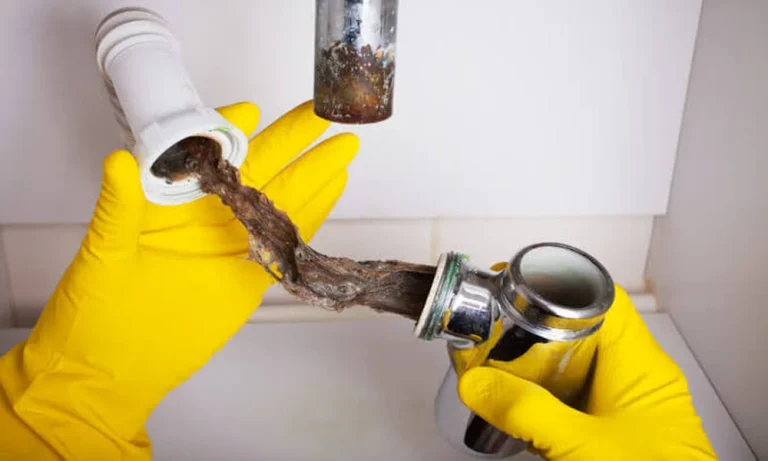
A clogged drain may start with something minor. Perhaps water is not draining from your sink as quickly. If left long enough, that slow drainage may turn into:

  • Standing water
  • Foul odors
  • A backup.

You can often solve the problem at home. Here is how:

Start with the plunger

The first thing to try for a simple clog on the drain is a plunger. Fill the plunger with water until it touches the bottom of the drain opening, press firmly over the drain opening, and press several times, carefully building up pressure.

Most sinks have an overflow opening. Place a moist cloth over the overflow for better sealing. Once the water runs normally, pour warm water down the drain. This will dislodge any other buildup.

Remove visible debris

Some clogs might be near the drain hole. Things like:

  • Hair
  • Food particles
  • Soap residue
  • Other debris.

You can remove them without dismantling the system.

If possible, lift or unscrew the drain cover. Take out any visible material. Do not push debris further down the pipe as this will make it harder to remove.

Do not repeat chemical treatments

Chemical cleaners for clogged drains may seem like a quick answer. But they are not effective for all clogged drains. They can be ineffective at eliminating deeper blockages, such as those that involve:

  • Grease
  • Compacted debris
  • Mineral deposits
  • Other substances.

Repeated application of chemicals at a blocked drain will not solve the problem if a basic method is not working. It can even pose extra security issues to anybody who is required to work with the plumbing system later on.

Use a drain snake for a stubborn clog

A plunger may not reach the blockage of a clog. But a manual drain snake can. Gently insert the cable into the drain until it meets resistance. Then, twist the cable. This will dislodge or trap the blockage.

But do not use the wrong tool or apply too much force. It could cause damage to plumbing parts.

Also, do not push the equipment any further if:

  • You are unable to clear the blockage
  • The drain is still clogged.

Beware of recurring clogs

Is your drain continually clogging? It is telling you something.

The blockage might have been cleared. But there may still be other substances further down the pipe. It could be:

  • Grease
  • Hair
  • Scale.

This is where professional drain cleaning services can help. A plumber can use equipment like a powered auger to reach deeper into the drainage line and loosen stubborn clogs.

Consider professional augering

Drain augering involves using a mechanical cable to bore holes through and dislodge blockages in the pipe. It can be very helpful if plunging hasn’t worked or if a clog occurred in a space that isn’t easily accessed with household tools.

For more complex blockages, other methods such as hydro-jetting or video inspection may be appropriate depending on the condition of the pipe.

Final thoughts

It’s not always necessary to seek professional assistance for a slight obstruction. Start with easy techniques like plunging. But a more complete diagnosis is necessary if the clog is:

  • Persistent
  • Keeps coming back
  • Affects several drains
  • Causes sewage to back up.

Article image

Key Takeaways

  • Plumbing emergencies can happen at any time and often require immediate attention.
  • A 24-hour plumber helps reduce property damage and repair costs.
  • Fast response times restore safety, comfort, and convenience.
  • Reliable emergency services provide peace of mind for homeowners and businesses.

Introduction

Plumbing problems rarely happen at a convenient time. A burst pipe in the middle of the night, an overflowing toilet during a family gathering, or a sudden water leak before work can quickly turn into a stressful situation. When these issues occur, waiting until normal business hours is often not an option.

This is where having access to a 24-hour plumber in Singapore becomes invaluable. Emergency plumbing services provide immediate support when urgent problems arise, helping homeowners and businesses minimise damage, maintain safety, and restore normal operations. Working with an experienced plumbing company ensures that professional help is available whenever it is needed most.

When Plumbing Emergencies Cannot Wait

Some plumbing issues may seem minor at first, but they can escalate surprisingly quickly. A small leak hidden behind a wall can lead to water damage, mould growth, and costly repairs if left unattended. Likewise, a blocked drain can disrupt daily routines and create hygiene concerns.

A reliable 24-hour plumber in Singapore can respond promptly to these situations, preventing them from becoming much larger problems. Quick intervention often means the difference between a straightforward repair and a major renovation project.

In Singapore’s high-density residential environments, particularly HDB flats and condominiums, plumbing issues can also affect neighbouring units. Water leakage may spread to lower floors, creating inconvenience for multiple households. Immediate repairs help contain the problem before it spreads further.

Saving Money By Acting Fast

It may seem counterintuitive, but calling an emergency plumber can often save money. Delaying repairs frequently results in greater damage, higher restoration costs, and longer periods of disruption.

Consider a burst water pipe. Every minute that water continues flowing can damage flooring, walls, furniture, and electrical systems. The repair cost for the pipe itself may be relatively modest, while the resulting property damage can be substantial.

This is why many property owners prefer to work with a trusted plumbing company in Singapore that offers emergency services around the clock. Rapid action helps protect valuable assets and reduces the likelihood of expensive secondary repairs.

Another benefit is the ability to identify underlying causes. Professional plumbers do not simply fix visible symptoms. They investigate the source of the issue, helping prevent recurring problems that could lead to repeated repair expenses.

Peace Of Mind Around The Clock

There is a certain comfort in knowing help is only a phone call away. Plumbing systems are essential to everyday life, and unexpected failures can create significant stress.

Whether it is a blocked toilet, leaking water heater, damaged tap, or burst pipe, immediate access to professional assistance provides reassurance. Families with young children, elderly residents, or busy work schedules often find this especially valuable.

Many emergency plumbing situations occur outside standard office hours. Late evenings, weekends, and public holidays are common times for unexpected breakdowns. Having a dependable 24-hour plumber in Singapore available during these periods ensures that urgent issues receive attention without unnecessary delays.

For business owners, this peace of mind can be even more important. Restaurants, retail shops, offices, and commercial facilities rely heavily on functioning plumbing systems. Quick repairs help minimise downtime and maintain customer satisfaction.

Professional Expertise When It Matters Most

Emergencies often require more than a temporary fix. They require skilled diagnosis and lasting solutions. Experienced plumbers arrive with the tools, equipment, and technical knowledge needed to handle a wide range of urgent issues.

A reputable plumbing company can address problems such as pipe leaks, drainage blockages, water heater malfunctions, toilet overflows, and damaged plumbing fixtures. Their expertise allows them to identify the most effective repair method while ensuring compliance with local standards.

More importantly, professional plumbers prioritise safety. Water leaks near electrical systems, for example, can present serious hazards. Proper assessment and repair reduce risks to occupants and property alike.

Access to a qualified 24-hour plumber in Singapore also means that temporary measures are less likely to be needed. Instead of relying on makeshift solutions, property owners receive professional repairs designed to restore normal function as quickly as possible.

Conclusion

Plumbing emergencies are unpredictable, but their impact can be greatly reduced with the right support. Fast response times, professional expertise, and immediate repairs help prevent property damage, reduce costs, and restore comfort when unexpected issues occur.

Whether managing a home, HDB flat, condominium, or commercial property, having access to a trusted plumbing company offers valuable peace of mind. When urgent plumbing problems arise, knowing that a dependable 24-hour plumber in Singapore is available at any time can make all the difference.

Contact QB Plumbing for reliable emergency plumbing services and professional support whenever it is needed.

When your sewer system starts acting up, it can quickly disrupt your entire home. At Sound Plumbing, we provide dependable sewer line repair and replacement services designed to restore proper flow and prevent future problems. Whether you’re dealing with recurring backups, slow drains, or underground leaks, our goal is to deliver long-lasting solutions that protect your property and your plumbing system.

Understanding Sewer Line Problems

Sewer lines are responsible for carrying wastewater away from your home, and when they fail, the signs are usually hard to ignore. Common issues include frequent drain clogs, foul odors, gurgling sounds, and sewage backups in sinks or tubs. These problems often point to more serious damage in the underground piping rather than a simple surface blockage. Over time, aging pipes, shifting soil, corrosion, and tree root intrusion can weaken the system and lead to serious failures that require professional attention.

Sewer Line Repair Services

In many cases, sewer line repair is the most efficient solution when the damage is limited to a specific section of pipe. This approach focuses on fixing cracks, small breaks, or localized root intrusion without replacing the entire line. Depending on the situation, repairs may involve spot fixes or trenchless methods that minimize digging and disruption to your yard. Sewer line repair is ideal when the rest of the system remains in good condition and structurally sound. With proper inspection, targeted repairs can extend the life of your plumbing system and restore normal function quickly.

Sewer Line Replacement Solutions

When the damage is extensive or the pipe has reached the end of its lifespan, sewer line replacement becomes the best option. This process involves removing the old, failing line and installing a new, durable system designed to meet modern standards. Replacement is often recommended for severely corroded pipes, collapsed lines, or systems with repeated failures. While it requires a greater upfront investment, it provides a permanent solution that reduces ongoing repair costs and improves overall reliability. New piping materials also offer better resistance to corrosion and root intrusion, ensuring long-term performance.

Trenchless Options and Modern Techniques

Today’s plumbing technology allows for more efficient and less invasive sewer solutions. Trenchless repair and replacement methods reduce the need for extensive digging, helping preserve your landscaping, driveway, and outdoor structures. These advanced techniques allow professionals to restore or replace underground pipes with minimal disruption, making the process faster and cleaner than traditional excavation methods.

Reliable Service You Can Trust

At Sound Plumbing, we focus on accurate diagnostics and honest recommendations. Every service begins with a thorough inspection to identify the exact cause of the problem. From there, we determine whether repair or replacement is the best long-term solution for your home. Our team is committed to delivering quality workmanship that ensures your sewer system operates efficiently for years to come.

This post was written by a professional at Sound Plumbing. Sound Plumbing, LLC serves Prescott and Prescott Valley, AZ with reliable residential and commercial plumbing services. We provide 24-hour emergency plumbing service near you and emergency plumbing when you need fast help. Looking for an emergency plumber near you, water heater replacement near you, or sewer line repair Prescott Valley and replacement services? As one of the trusted commercial plumbing companies near you, we deliver honest service, fair pricing, and quality workmanship every time.

Most people notice the leak, not what caused it. You see a wet mark, grab a towel, maybe tighten something and hope it holds. Then it leaks again next week. A real plumber looks at the same spot and somehow knows the story behind it. They hear what we miss. When leaks start repeating, homeowners usually reach out to plumbers in arlington va, because guessing twice is more tiring than fixing once. It is strange how quietly a house tells what is wrong if you stand still long enough to listen.

Why Shortcuts Never Stay Fixed

Most of us patch leaks the same way: tape, sealant, maybe a clamp. It works, but only for a little while. The water always finds its path again. Professionals say that if you only treat the surface, the pressure underneath gets worse. What looks calm is still fighting inside.

Real repair means finding why it leaked, not where. That is the difference between a weekend fix and something that stays silent for years.

Small Clues They Never Miss

Little details tell everything.

  • A line of dust shaped like a drip trail.
  • A valve that sweats when the room is cold.
  • A smell that fades and returns when you open the window.
  • Tiles that stay damp near one corner, not everywhere.

Each one points somewhere. The rest of us walk past them every day without noticing.

Tools Help, But Habit Matters More

Sure, they carry tools like sensors, gauges, cameras but most of what they use lives in memory. They can tell how old a pipe is just by the sound it makes when tapped. They know the color of metal that is about to rust, the way old joints tighten differently. You cannot teach that in a week; it comes from years of slow, careful work.

And you can smell metal dust when they open a joint. That smell means the problem’s finally exposed.

Hiring skilled plumbers in arlington vathe moment you notice early signs saves that calm. You pay for peace, not just for pipes.

What You Learn After Watching

Plumbing looks like tools and pipes, but it is mostly about patience. About noticing small things before they matter. You start picking that up after a while the habit of listening, checking, staying alert. The house rewards attention. It stays quiet when you do.

Plumbers Solve in Residential Properties

Plumbing issues in residential properties can be more than just an inconvenience. They often disrupt everyday routines and, if not addressed quickly, can turn into costly repairs. A plumber in Bayville is well-versed in handling both common and complex plumbing challenges, ensuring that your home systems run smoothly. From leaky faucets to significant pipe damage, understanding these issues can help homeowners recognize when professional intervention is needed.

Below, we outline some of the most common plumbing problems that professionals tackle and why it’s essential to address them promptly.

Common Pipe and Drainage Issues

One of the most frequent challenges plumbers face is related to pipes and drains. While these issues may seem straightforward, they often hide deeper problems within a home’s plumbing system.

Burst Pipes and Leaks

A burst pipe can wreak havoc on a home, leading to extensive water damage if not repaired immediately. Leaky pipes, while less dramatic, contribute to higher water bills and mold growth over time. Whether the cause is freezing temperatures or general wear and tear, expert help is vital for identifying and repairing the root cause.

If left unaddressed, leaks can worsen, causing hidden damage and more expensive repairs down the line. This is one reason why recognizing early signs that you need to call a professional plumber is so important for homeowners.

Challenges with Fixtures and Appliances

Plumbing fixtures like sinks, showers, and toilets can present their own set of challenges. While they may appear minor on the surface, underlying problems can affect your home’s water efficiency and functionality.

Clogged Toilets and Drains

Clogs are one of the most common complaints homeowners have, and clearing them involves more than just plunging away the blockage. Recurring clogs often point to issues deeper in the system, like tree root intrusions or grease buildup. Professional plumbers not only unclog drains but also inspect for long-term solutions.

Faulty Water Heaters

Few things are as frustrating as running out of hot water during a shower. When water heaters fail due to sediment buildup or malfunctioning parts, it’s not just an inconvenience but can also lead to energy inefficiency. Tackling these issues promptly with professional assistance prevents costly replacements.

Structural Damage and Water Pressure Problems

Plumbing troubles don’t stop at fixtures and pipes. Many homes suffer from water pressure issues or structural damage caused by outdated systems.

Low Water Pressure

Low water pressure can be a symptom of various underlying problems, such as leaks, mineral buildup in pipes, or poorly designed plumbing systems. It requires expertise to diagnose and resolve, ensuring a consistent and smooth water flow in your home.

Sewer Line Damage

Sewer line problems are among the most complex issues plumbers handle. Corroded pipes, blockages, or complete sewer line collapses are both costly and disruptive, but need immediate attention. Repairing or replacing damaged sewer lines is essential for maintaining sanitation and preventing further property damage.

Why Professional Expertise Matters

Attempting to fix plumbing problems without professional help can worsen the situation, increasing repair costs. Licensed plumbers bring experience, tools, and insights that ensure the job is done correctly and efficiently. Identifying hidden issues early, such as through routine inspections, can save homeowners significant stress and money over time.

Conclusion

Plumbing challenges can arise in any household, ranging from leaky faucets to major pipe damage. Recognizing the signs and contacting a professional promptly can safeguard your home from extensive damage and costly repairs. Whether it’s addressing recurring clogs, replacing faulty water heaters, or fixing structural plumbing issues, experienced plumbers have the skills to keep your home functioning seamlessly.

Water lines are an essential component of any plumbing system, responsible for delivering clean, potable water to homes and businesses. However, like any infrastructure, water lines are susceptible to wear and tear over time, leading to issues such as leaks, corrosion, and blockages. Regular water line maintenance services are crucial to ensuring the longevity and reliability of your water supply system. But how often should you schedule these maintenance services? In this blog, we’ll explore the factors that influence the frequency of water line maintenance and provide recommendations to help you keep your water lines in optimal condition.

The Importance of Regular Water Line Maintenance

Before diving into how often water line maintenance services should be scheduled, it’s essential to understand why regular maintenance is so important. Water lines are often out of sight and out of mind, buried underground or hidden within walls, but they play a critical role in your daily life.

Preventing Costly Repairs

One of the primary reasons for regular water line maintenance is to prevent costly repairs. Small issues like minor leaks or early signs of corrosion can often be addressed quickly and inexpensively during routine maintenance. However, if left unchecked, these minor problems can escalate into major repairs that require significant time, effort, and expense.

  • Leak Detection: Regular maintenance can help detect leaks early before they cause extensive water damage to your property or lead to high water bills.
  • Corrosion Control: Over time, metal water lines can corrode, leading to weakened pipes and potential bursts. Regular inspections can identify areas of corrosion that need attention.

Ensuring Water Quality

Water line maintenance is also crucial for ensuring the quality of your water supply. Contaminants can enter your water lines through leaks, corrosion, or backflow, leading to water that is unsafe for consumption.

  • Preventing Contamination: Regular maintenance helps prevent contaminants from entering your water supply by keeping your water lines in good condition and ensuring proper pressure levels.
  • Sediment Removal: Over time, sediment and mineral deposits can build up in water lines, reducing water quality and flow. Maintenance services can include flushing the lines to remove these deposits.

Extending the Lifespan of Your Water Lines

Just like any other component of your home or business infrastructure, water lines have a finite lifespan. However, with regular maintenance, you can significantly extend the life of your water lines, delaying the need for costly replacements.

  • Minimizing Wear and Tear: Regular inspections and maintenance help minimize the wear and tear on your water lines, reducing the likelihood of premature failure.
  • Addressing Issues Promptly: By addressing issues as they arise, rather than waiting for a significant problem to occur, you can extend the lifespan of your water lines and avoid the inconvenience of major repairs.

Factors That Influence the Frequency of Water Line Maintenance

The frequency of water line maintenance services depends on several factors, including the age of your water lines, the type of materials used, and the local water quality. Understanding these factors can help you determine how often maintenance should be scheduled.

Age of the Water Lines

The age of your water lines is one of the most significant factors in determining the frequency of maintenance. Older water lines are more likely to experience issues such as corrosion, leaks, and blockages, requiring more frequent inspections and maintenance.

  • Newer Water Lines: If your water lines are relatively new, you may be able to schedule maintenance less frequently, such as every two to three years. However, it’s still important to monitor for any signs of trouble between maintenance visits.
  • Older Water Lines: For water lines that are over 20 years old, more frequent maintenance is recommended. Annual inspections can help catch issues early and ensure that your aging water lines remain in good condition.

Type of Materials Used

The materials used in your water lines also play a role in how often maintenance is needed. Different materials have different lifespans and are susceptible to different types of damage.

  • Copper and PVC: Copper and PVC are commonly used materials for water lines, known for their durability and resistance to corrosion. These materials may require less frequent maintenance compared to older materials like galvanized steel.
  • Galvanized Steel: Galvanized steel pipes, commonly used in older homes, are prone to corrosion and rust. If your water lines are made from galvanized steel, more frequent maintenance, such as annual inspections, is recommended.

Local Water Quality

The quality of your local water supply can also impact the frequency of water line maintenance. Hard water, which contains high levels of minerals like calcium and magnesium, can lead to mineral buildup in your water lines, reducing flow and water quality.

  • Hard Water Areas: If you live in an area with hard water, you may need to schedule maintenance more frequently to prevent mineral buildup. Regular flushing of the lines can help remove sediment and maintain water flow.
  • Soft Water Areas: In areas with soft water, which contains fewer minerals, water lines may not experience as much buildup, allowing for less frequent maintenance.

Usage Patterns

The frequency and intensity of water usage in your home or business can also influence the need for maintenance. High usage rates can put more stress on water lines, leading to more frequent issues.

  • High-Usage Environments: In environments where water usage is high, such as in large households, commercial buildings, or industrial facilities, more frequent maintenance may be necessary to prevent wear and tear.
  • Low-Usage Environments: In homes or businesses with lower water usage, maintenance may be required less often, but it’s still important to monitor for any signs of problems.

Recommended Maintenance Schedule

Based on the factors mentioned above, here are some general guidelines for scheduling water line maintenance services:

Annual Maintenance

For older water lines, high-usage environments, or areas with hard water, annual maintenance is recommended. This includes a thorough inspection of the water lines, leak detection, corrosion assessment, and flushing of the lines to remove sediment.

  • Inspections: Schedule an annual inspection with a professional plumber to check for any signs of leaks, corrosion, or other issues. This proactive approach can help you catch problems early before they escalate.
  • Flushing: Consider having your water lines flushed annually to remove any sediment or mineral buildup that could affect water quality and flow.

Every 2-3 Years

For newer water lines, low-usage environments, or areas with soft water, maintenance may be needed every two to three years. However, it’s still important to remain vigilant for any signs of trouble between maintenance visits.

  • Regular Monitoring: Even if you schedule maintenance less frequently, keep an eye on your water lines for any signs of leaks, reduced water pressure, or discoloration in the water.
  • Preventative Measures: Consider installing water softeners or filtration systems if you live in an area with hard water, as these can help reduce the need for frequent maintenance.

As-Needed Maintenance

In addition to regular maintenance, it’s essential to schedule water line maintenance services as needed if you notice any signs of trouble. Early intervention can prevent minor issues from becoming major problems.

  • Signs of Leaks: If you notice any signs of a leak, such as damp spots, unexplained increases in your water bill, or the sound of running water when no faucets are on, schedule an inspection immediately.
  • Changes in Water Quality: If you notice changes in water quality, such as discoloration, strange odors, or a metallic taste, it could indicate a problem with your water lines that requires prompt attention.

Conclusion

Regular water line maintenance services are essential for ensuring the reliability, safety, and efficiency of your water supply system. By scheduling maintenance at the appropriate intervals based on the age, materials, and usage patterns of your water lines, you can prevent costly repairs, maintain water quality, and extend the lifespan of your water lines.

Whether you need annual inspections, periodic flushing, or as-needed maintenance, working with a professional plumber ensures that your water lines are kept in optimal condition. By taking a proactive approach to water line maintenance, you can enjoy peace of mind knowing that your water supply is secure and your plumbing system is functioning at its best.