
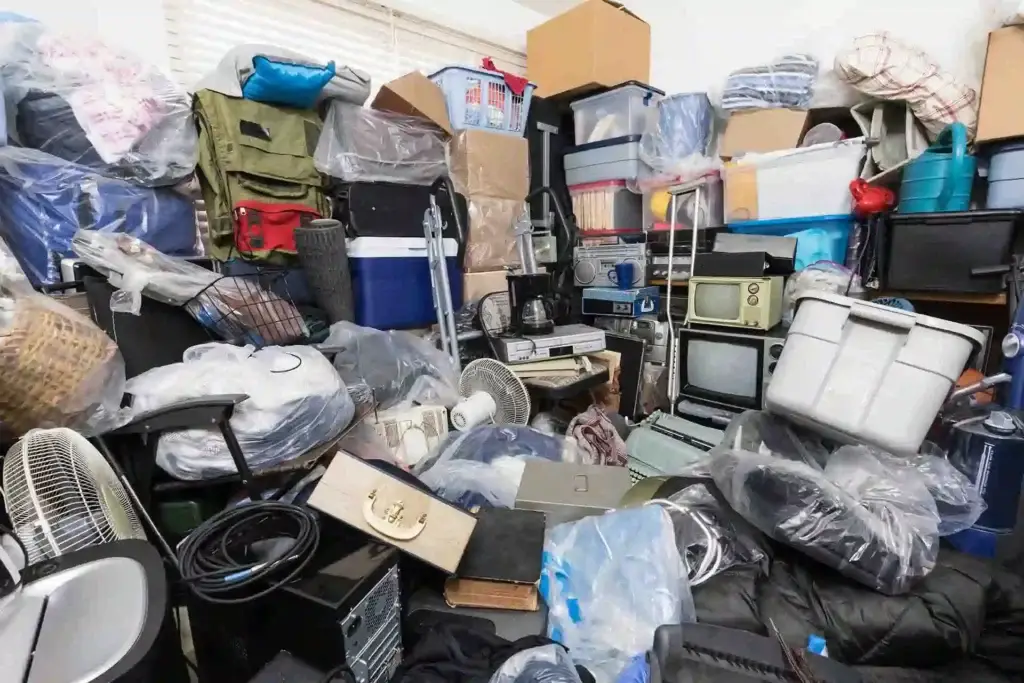
Hoarder cleaning represents not merely a physical challenge of removing accumulated possessions, but rather a delicate intersection of psychology, public health, and human dignity that demands both technical expertise and profound emotional intelligence. Like a physician confronting a complex syndrome, one must understand that hoarding disorder manifests as a recognised mental health condition in the Diagnostic and Statistical Manual, characterised by persistent difficulty discarding possessions regardless of their actual value. The accumulated items, piled in layers like sedimentary rock, tell stories of anxiety, trauma, loss, and the human brain’s intricate relationship with attachment and security. In Singapore’s compact housing environment, where space constitutes a precious commodity, hoarding creates consequences that ripple outward, affecting not only the individual but neighbours, family members, and the broader community.
The Pathology of Hoarding
To comprehend the challenge of clearing hoarder environments, one must first understand the condition’s aetiology. Hoarding disorder affects approximately 2 to 6 per cent of the population globally, with prevalence rates in Singapore likely similar though under-reported due to social stigma. The condition typically emerges in adolescence, progresses gradually, and by middle age can render living spaces functionally uninhabitable.
The neurobiology underlying hoarding reveals abnormalities in brain regions governing decision-making, emotional regulation, and attachment. Neuroimaging studies demonstrate altered activity in the anterior cingulate cortex and insula, areas critical for determining an object’s value and emotional significance. For individuals with hoarding disorder, discarding even mundane items triggers genuine distress, activating neural pathways associated with loss and grief.
When Intervention Becomes Necessary
Several circumstances typically precipitate the need for professional hoarder cleaning intervention:
- Health and safety hazards including fire risks from blocked exits, structural damage from excessive weight, pest infestations, and unsanitary conditions
- Legal action from housing authorities or landlords threatening eviction due to lease violations or complaints from neighbours
- Medical emergencies where paramedics cannot access the individual, or hospital discharge requiring a safe home environment
- Family intervention after years of deteriorating conditions finally prompting action
- Death of the hoarder, leaving relatives to address the accumulated possessions
In Singapore, the Housing and Development Board and town councils possess authority to intervene when hoarding creates public health risks or fire hazards. The Civil Defence Act mandates clear access routes for emergency services, and severe hoarding violations can result in forced clearance with costs recovered from residents.
The Clinical Approach to Hoarder Cleaning
Professional hoarding cleanup differs fundamentally from standard clearance work. It requires a treatment paradigm rather than merely a removal strategy:
• Psychological preparation
Engaging mental health professionals before, during, and after the physical cleaning process to provide emotional support and prevent relapse
• Graduated intervention
Proceeding systematically through spaces rather than wholesale clearance, allowing the individual some agency in decision-making where possible
• Harm reduction
Prioritising safety hazards and sanitation issues whilst preserving items of genuine value or emotional significance
• Documentation
Photographing conditions for insurance, legal purposes, or therapeutic review
• Contamination protocols
Employing appropriate protective equipment and decontamination procedures when biological hazards exist
The National Environment Agency provides guidelines for waste disposal, but hoarder cleaning scenarios often involve materials requiring specialised handling. Decomposing organic matter, animal waste, sharps, medications, and items contaminated with bodily fluids demand protocols more rigorous than standard refuse collection permits.
The Emotional Dimensions
Perhaps the most challenging aspect of cleaning hoarded environments involves navigating the profound emotional terrain. For the individual with hoarding disorder, each item carries weight beyond its physical properties. A stack of newspapers represents not recyclable waste but a archive of information they might someday need. Collections of containers embody resourcefulness and preparation. Even obvious rubbish holds meaning in a cognitive framework we struggle to comprehend.
Family members frequently experience conflicting emotions during hoarder cleaning processes:
- Relief that dangerous conditions are finally being addressed
- Guilt about violating the hoarder’s autonomy or distressing them
- Anger at years of denial, refused help, and deteriorating relationships
- Grief for the person they remember before the disorder consumed their living space
- Shame about the condition becoming visible to professionals and authorities
Effective hoarding remediation acknowledges these complex emotional currents. Forced clearance without psychological support often leads to rapid reaccumulation, as the underlying condition remains untreated. Research indicates that sustainable outcomes require ongoing therapy, often cognitive behavioural approaches specifically designed for hoarding disorder.
The Singapore Context
Singapore’s housing landscape creates unique challenges for hoarding intervention. The proximity of neighbours in HDB blocks means hoarding rarely remains private. Odours, pest migration, and fire risks affect adjacent units, creating community health concerns. The government’s emphasis on public housing quality and neighbourhood cohesion means authorities intervene more readily than in societies where private property rights supersede collective welfare considerations.
The Hoarding Task Force, established to address severe cases, coordinates between multiple agencies including town councils, social services, and mental health providers. This integrated approach recognises that effective intervention requires addressing both the physical environment and the psychological condition simultaneously.
Moving Toward Recovery
The goal of professional hoarding cleanup extends beyond achieving a clean space. It aims to create an inflection point, a moment when the individual might recognise the possibility of living differently. Like treating any chronic condition, success requires long-term management rather than expecting a single intervention to provide cure. Aftercare support, regular monitoring, and continued therapeutic engagement prove essential for preventing relapse.
The complexity of hoarding disorder, combined with Singapore’s housing constraints and public health imperatives, necessitates approaching remediation with both scientific rigour and human compassion. Understanding hoarding as a medical condition rather than moral failing transforms how we conceptualise the work, elevating it from mere debris removal to a form of healthcare intervention. This paradigm shift proves essential for achieving outcomes that serve not only immediate safety requirements but the longer arc of recovery and human dignity that effective hoarder cleaning ultimately serves.

Comments are closed.