
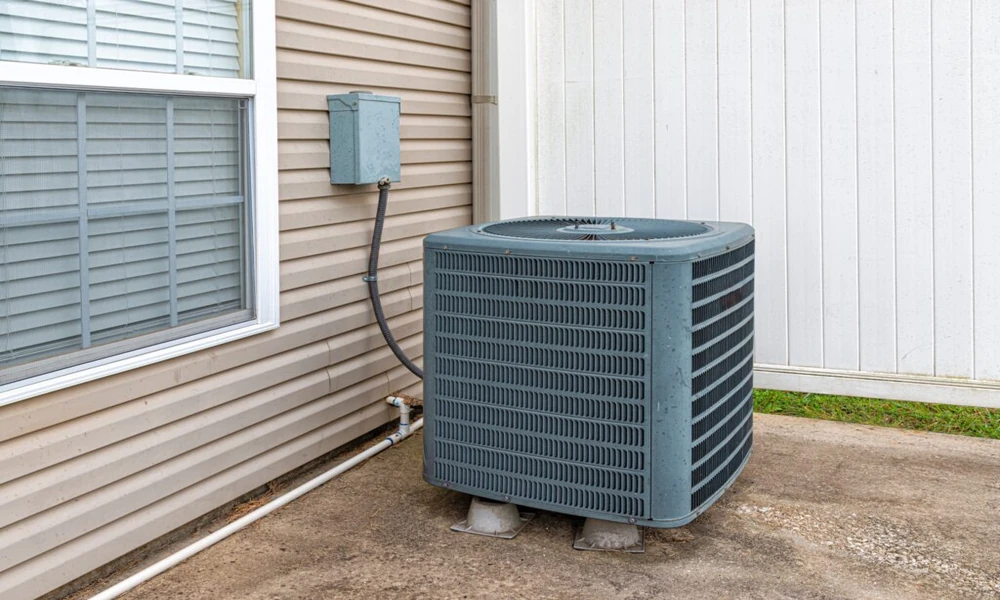
An air conditioner’s rated lifespan is worked out under tidy conditions, and the Gulf Coast has never been tidy. Salt drifts in off the water, humidity hangs around for most of the year, and the cooling season stretches from spring well into autumn. Technicians at Perdido Heating and Air, a Carrier dealer in Pensacola with about fifty years in the trade, see the results every summer, usually in a unit that is only a few years past its warranty and already wheezing. What follows is a tour of the system, one part at a time, and what the coast tends to do to each.
Salt Is the Quiet Culprit
Salt-laden air settles on the metal surfaces of the outdoor unit and holds moisture against them, which speeds up corrosion. The damage is slow. Fins on the coil thin out, fasteners rust, electrical connections pit and the cabinet starts to flake. Homeowners rarely spot it directly. What they notice instead is a gradual loss of cooling power and a bill that creeps upward.
Two habits help more than people expect. Rinse the outdoor coil gently with a garden hose during the cooling season after switching the power off, and never use a pressure washer, which bends fins and can soak electrical parts. Then keep shrubs and fencing back from the cabinet so salt spray does not get trapped against it. When the time comes to replace a unit, ask about coated coils and upgraded hardware made for coastal use.
Humidity Does the Real Work
Cooling is only half of what your system does in a place like Pensacola. The other half is pulling moisture out of the air, and that only happens while the compressor runs. A unit that is too large cools the house fast, shuts off and leaves the air clammy, then repeats the cycle all afternoon.
Research from the Florida Solar Energy Center found that oversized systems are common in the state and that many contractors size up on purpose to please customers who want a colder house. Short runs mean less moisture removal, and the constant starting and stopping wastes energy. Bigger is not better here. A proper load calculation for your specific house is what keeps a replacement from making the same mistake.
The Drain Line Nobody Thinks About
All that removed moisture has to go somewhere. It collects in a pan and leaves through a condensate drain, and in a warm, humid climate that line is a perfect place for algae and slime to build up. When it clogs, water backs up and can spill into the ceiling or stop the system through a safety switch.
If you ever see water around the indoor unit, a damp smell in the closet or a system that quits on the hottest day, ask for the drain to be checked. It is among the cheapest fixes in the whole system and one of the most expensive to ignore.
Filters, Ducts and the Air You Actually Breathe
Humidity and dust make a great team. A filter that has not been changed forces the blower to work harder, cuts airflow across the coil and gives mold a place to settle. Ducts running through a hot attic add their own trouble, since leaks pull in warm, damp air and make the system chase its own tail.
Indoor air quality is worth a mention here too. If someone in the house has allergies, or the air smells stale despite regular cleaning, options such as better filtration, duct sealing and humidity control can be added to an existing system.
Storm Season Homework
Hurricane season brings its own set of risks to cooling equipment. Power surges can fry control boards and compressors, so ask about surge protection when a technician is on site. Clear loose items and debris from around the outdoor unit before a storm, and after any flooding, do not run the system until someone has inspected it, since water in electrical parts and motors is a real hazard.
Why Short Winters Make Heat Pumps Sensible
Gulf Coast winters are mild and brief, which makes the humble heat pump a natural fit. One machine provides cooling in summer and warmth on cold nights, so you are not paying to maintain a separate furnace and condenser. Ductless mini splits suit additions, converted garages and rooms the main system never cooled well. Geothermal heat pumps also exist for homeowners willing to invest more up front for lower running costs.
A Maintenance Calendar That Respects the Coast
Professional service about twice a year is a sensible target near salt water, once before cooling season and once before the heating season. A simple rhythm looks like this.
- Early spring, a full tune-up with an inspection of electrical connections and contactors
- Spring and summer, a gentle coil rinse and a drain line check
- Every month or two in peak season, a fresh filter
- Early fall, a heating check before the first cold snap
- Before storm season, a quick look at surge protection and the area around the unit
Keep the paperwork from every visit. Records make warranty claims far easier when something does fail.
Knowing When to Stop Repairing
Every system reaches a point where repairs cost more than they are worth. The signs are familiar. The unit is well past ten years old, repairs are arriving back to back, rooms cool unevenly, or utility bills climb with no change in habits. A good technician will lay out repair and replacement costs side by side and be honest when a repair is simply postponing the inevitable.
Rebates, financing and manufacturer warranties can soften the cost of a new system, so ask what is available before deciding.
A Local Name Worth Knowing
The shop at 5555 Bauer Road in Pensacola covers Escambia, Santa Rosa and Baldwin counties with NATE-certified technicians, round the clock emergency repair and a 100 percent satisfaction guarantee. Its crews handle air conditioners, furnaces, heat pumps, ductless systems and indoor air quality upgrades, and estimates on new installations are available by calling (850) 972-1714.
Whatever you decide, do not wait for the hottest week of July to learn what shape your system is in. A short inspection this season can catch salt damage, a clogged drain or an oversized unit while it is still an easy fix.

Comments are closed.