
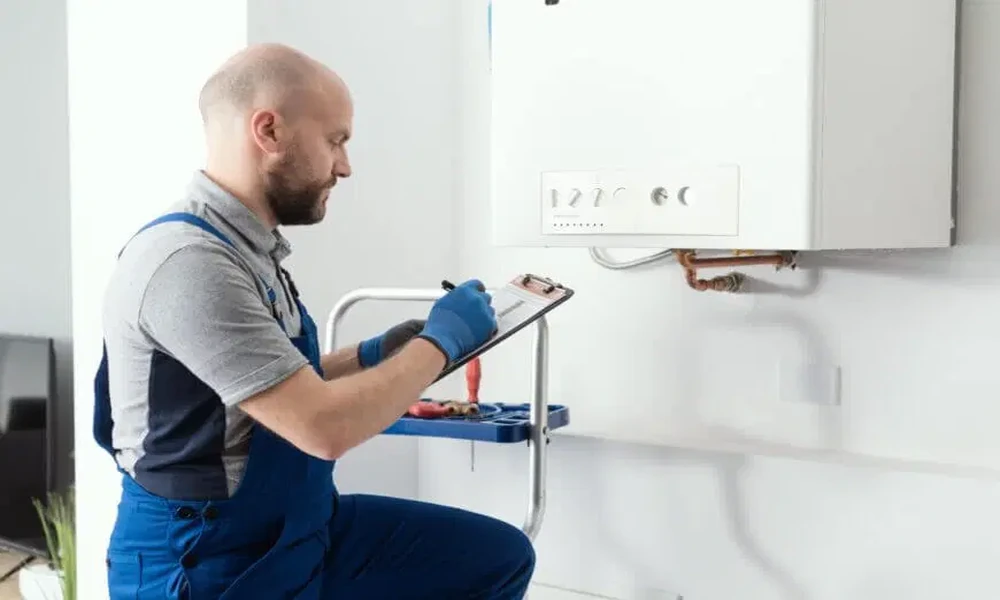
Every modern boiler relies on a network of sensors to keep temperature, pressure, and circulation within safe limits, and when one of those sensors fails or detects a genuine fault, the boiler shuts down rather than risking damage or danger. A clear example of this is the Vaillant F23 fault code, which appears when the boiler detects too large a temperature gap between its flow and return pipes. Understanding how sensor faults work helps you respond calmly rather than assuming the worst the moment a code appears.
This guide explains what sensors actually do inside a boiler, why they trigger shutdowns, and what to check before calling an engineer.
Boiler sensors monitor temperature, pressure, and water flow to keep the system operating safely. When readings fall outside expected limits, the boiler locks out to prevent overheating or damage. Common triggers include a faulty pump, blockages, air trapped in the system, or a genuinely failed sensor. Diagnosing which one applies usually needs a Gas Safe registered engineer.
What Do Boiler Sensors Actually Do?
A boiler uses several sensors working together, each monitoring a different part of the heating process. Flow and return sensors track how hot water leaves the boiler and how cool it is by the time it comes back, while pressure sensors and thermistors keep an eye on system pressure and overall temperature.
These readings feed into the boiler’s control board continuously. When something falls outside the expected range, the boiler doesn’t guess. It shuts down and displays a fault code, treating the uncertainty as a safety issue rather than continuing to run.
Flow and Return Sensor Faults Explained
Flow and return sensor faults are among the more common sensor issues homeowners encounter, particularly on Vaillant boilers.
The flow pipe carries hot water out to the radiators, while the return pipe brings cooler water back to be reheated. A healthy system shows a consistent, moderate temperature difference between the two. When that gap becomes too large, usually more than around 35 degrees Celsius, the boiler interprets this as a circulation problem and shuts down to protect itself.
Vaillant F23: A Closer Look
The F23 code is specific to Vaillant boilers and directly reflects this flow and return imbalance.
It appears when the temperature difference between the two pipes exceeds the safe threshold, signalling that water isn’t circulating through the system properly. This is usually a protective shutdown rather than a sign of catastrophic damage, but it won’t resolve on its own without the underlying cause being addressed.
What Causes Vaillant Temperature Sensor Problems
Several distinct issues can trigger this kind of fault, and identifying the right one usually requires hands-on diagnosis.
- A failing pump not circulating water fast enough
- Sludge or debris restricting flow through the system
- Trapped air preventing proper water movement
- A faulty thermistor sending inaccurate temperature readings
- Low system pressure reducing circulation efficiency
Vaillant temperature sensor problems often involve more than one of these factors at once, which is part of why a single reset doesn’t always clear the fault permanently.
Boiler Overheating Causes Linked to Sensor Faults
Sensor faults and overheating are closely connected, since sensors exist specifically to catch overheating before it becomes dangerous.
Common boiler overheating causes include restricted water flow from sludge build-up, a failing pump unable to circulate water at the right rate, and trapped air pockets reducing efficiency. In each case, water sits in the heat exchanger longer than it should, causing the temperature to climb beyond safe limits and triggering a sensor-driven shutdown.
Central Heating Sensor Issues: Comparing Common Faults
Different sensor faults point to different parts of the system, which is worth understanding before assuming the worst.
| Fault Type | What It Monitors | Common Cause |
|---|---|---|
| Flow and return sensor | Temperature difference between pipes | Poor circulation, pump fault |
| Pressure sensor | System water pressure | Leak, low pressure, sensor fault |
| Overheat thermistor | Water temperature limits | Blockage, sludge, pump failure |
| Flue sensor | Exhaust gas temperature | Ventilation or combustion issue |
Central heating sensor issues rarely appear in isolation. A pump struggling to circulate water, for example, can trigger both a flow and return fault and an overheat warning within the same breakdown.
Vaillant Diagnostic Codes: What They Tell an Engineer
Fault codes aren’t just alerts for homeowners. They give an engineer a starting point for diagnosis before they even arrive.
Vaillant diagnostic codes like F23 point directly to circulation and temperature sensing, narrowing down which components need testing first. This saves time on-site, since the engineer already knows to check the pump, look for blockages, and test the thermistors rather than starting from scratch.
What You Can Safely Check Before Calling an Engineer
A few basic checks are safe to try, though most sensor faults ultimately need professional diagnosis.
Check the boiler pressure gauge reads between 1.0 and 1.5 bar, bleed radiators to release any trapped air, and try a single reset following the manufacturer’s instructions. If the fault returns immediately, stop resetting and book a Gas Safe registered engineer rather than repeating the process.
Frequently Asked Questions
What does a boiler sensor fault mean?
It means the boiler has detected a reading, such as temperature or pressure, outside its safe operating range, and has shut down to prevent damage.
What is the Vaillant F23 fault code?
It signals too large a temperature difference between the flow and return pipes, usually caused by poor circulation, a faulty pump, or blockages.
Can I fix a flow and return sensor fault myself?
Basic checks like bleeding radiators and confirming pressure are safe to try. Diagnosing and replacing components needs a Gas Safe engineer.
Is a boiler sensor fault dangerous?
It can indicate a genuine safety concern, particularly with overheating, so repeated faults shouldn’t be ignored or reset continuously.
How do I prevent sensor faults from recurring?
Annual servicing catches early signs of pump wear, sludge build-up, and sensor drift before they cause a full lockout.
Why does my boiler keep locking out with the same code?
A repeating code means the underlying issue hasn’t been resolved. Continued resets won’t fix it and may put extra strain on the system.
Getting Sensor Faults Diagnosed Properly
Sensor faults exist to protect your boiler and your home, not to complicate your day, and understanding what triggers them helps you respond appropriately rather than guessing. Simple checks handle some of the basics, but flow, return, and temperature sensor faults almost always need a proper diagnosis.
0800 Homefix provides Gas Safe registered boiler repairs across London and the South East, including specialist diagnosis of Vaillant fault codes such as F23, backed by a 24/7 emergency response and no call-out fee.

Comments are closed.