
Author

Doris Castillo

Browsing

Office design in Singapore is evolving quickly. With more businesses embracing open-plan layouts and flexible workspaces, the challenge isn’t just aesthetics—it’s functionality. Modern teams want offices that look good, encourage collaboration, and also support focus and wellbeing. That’s where wall panel solutions in Singapore are becoming a popular choice. These panels combine style and practicality, improving acoustics, adding texture, and transforming workspaces into professional, inviting environments.

Why Wall Panels Are Gaining Popularity in Singapore Offices

In busy Singapore offices, noise can be a major distraction. Open-plan layouts, hard floors, and glass partitions create a lot of echo, making it difficult for employees to concentrate. This can reduce productivity, increase stress, and affect overall morale.

Acoustic wall panels address this problem without the need for bulky renovations. By absorbing sound, they reduce background noise and help create quieter, calmer spaces. Beyond functionality, they also offer design flexibility. From subtle neutral tones to bold, statement finishes, panels can enhance the office interior while keeping it professional.

1. Reduce Noise and Boost Focus

The most immediate benefit of wall panels is improved acoustics. By controlling sound reflection, panels make it easier for employees to focus during tasks and meetings. Staff no longer have to raise their voices over background chatter, and conference calls are clearer and less disruptive.

Even small offices benefit. A few strategically placed panels can have a noticeable effect on sound levels, making the entire space feel more balanced and comfortable. In Singapore’s densely populated office buildings, this can transform the daily work experience.

2. Add Visual Interest Without Overcrowding

Open-plan offices can feel monotonous or uninspiring if large wall areas are left bare. Wall panels introduce texture, colour, and depth, creating visual appeal without cluttering the workspace.

Fabric or felt panels soften the environment, adding warmth and a sense of calm. Wooden panels provide sophistication and elegance, while perforated or patterned panels can become a striking feature wall. In all cases, the panels serve both functional and aesthetic purposes, improving acoustics while making the office look more inviting.

3. Define Spaces Without Walls

One common challenge in modern Singapore offices is maintaining openness while still providing functional zones. Wall panels offer a flexible way to define spaces without building permanent partitions.

For example, a set of panels can demarcate a quiet work area, a meeting corner, or a casual collaboration zone. This approach helps employees understand the intended use of each area and encourages appropriate behaviour, all while preserving the open, airy feel of the office. Some panels are even freestanding, allowing layouts to change as the team grows or adapts to new working styles.

4. Support Employee Wellbeing

A calm, visually pleasing, and quiet office isn’t just nice to have—it directly affects employee wellbeing. By reducing noise and adding soft textures, wall panels help employees feel less stressed and more comfortable.

Wellbeing-friendly spaces encourage better concentration, smoother teamwork, and improved overall morale. Employees are more likely to stay focused, feel energised, and enjoy coming to work. Clients and visitors also notice the difference, as the office feels professional, organised, and welcoming.

5. Flexibility and Style Combined

One of the reasons wall panels are so popular in Singapore is their versatility. They can be tailored to different office sizes, budgets, and design schemes. Companies can choose from:

  • Acoustic panels to improve sound quality
  • Decorative panels to create a visual focal point
  • Combination panels that provide both style and function

This flexibility makes wall panels suitable for a wide range of office types—from creative studios to corporate headquarters and co-working spaces. Even smaller offices can benefit from carefully selected panels that maximise both aesthetics and practicality.

Tips for Choosing the Right Wall Panels in Singapore

  • Assess noise levels first: Identify high-traffic or echo-prone areas to determine where panels will have the greatest impact.
  • Match your interior style: Choose materials and colours that complement the office design while enhancing comfort.
  • Consider layout flexibility: Freestanding or modular panels are ideal if your office layout changes frequently.
  • Think about coverage: You don’t need to cover every wall. A few well-placed panels can significantly improve acoustics and aesthetics.
  • Prioritise quality: High-quality panels absorb sound more effectively and last longer, making them a worthwhile investment.

The Takeaway

As Singapore offices continue to evolve, creating spaces that are both functional and visually appealing has become essential. Wall panel solutions are leading this trend, providing a practical way to reduce noise, define zones, and add texture and style.

With a few well-chosen panels, even small offices can feel calmer, more organised, and professional. They improve focus, support wellbeing, and make workspaces more inviting for employees and clients alike.

Ultimately, office design doesn’t have to be complicated or expensive to be effective. Sometimes, the simplest upgrades like installing acoustic and decorative wall panels, can have the biggest impact on the overall environment.


Introduction

When it comes to financing a real estate investment, two common options that borrowers consider are DSCR loans and traditional mortgages. Understanding the differences between these two types of loans is crucial in making informed decisions about which option is best suited for your investment goals. In this article, we will analyze the key differences between DSCR loans and traditional mortgages to help you navigate the complex landscape of real estate financing.

What are DSCR Loans?

DSCR stands for Debt Service Coverage Ratio, which is a financial metric used by lenders to assess a borrower’s ability to repay a loan. DSCR loans are specifically designed for commercial real estate investments, where the property’s income is used to qualify for the loan rather than the borrower’s personal income or credit score. These loans typically have higher interest rates and shorter repayment terms compared to traditional mortgages.

Key Features of DSCR Loans:

  • Income-Driven Qualification: DSCR loans focus on the property’s income to determine the borrower’s eligibility.
  • Higher Interest Rates: Due to the higher risk associated with commercial real estate, DSCR loans often come with higher interest rates.
  • Shorter Repayment Terms: DSCR loans typically have shorter repayment terms, which can range from 5 to 20 years.

What are Traditional Mortgages?

Traditional mortgages are the most common type of home loan, where the borrower’s personal income, credit score, and assets are used to qualify for the loan. These loans are typically used for residential properties and have lower interest rates and longer repayment terms compared to DSCR loans.
Key Features of Traditional Mortgages:

  • Personal Income Qualification: Traditional mortgages rely on the borrower’s personal income and credit score for qualification.
  • Lower Interest Rates: Due to the lower risk associated with residential properties, traditional mortgages often come with lower interest rates.
  • Longer Repayment Terms: Traditional mortgages can have repayment terms that range from 15 to 30 years.

Key Differences Between DSCR Loans and Traditional Mortgages

Now that we have defined DSCR loans and traditional mortgages, let’s explore the key differences between these two financing options.
1. Qualification Criteria:

  • DSCR Loans: Qualification for a DSCR loan is based on the property’s income, with less emphasis on the borrower’s personal finances.
  • Traditional Mortgages: Qualification for a traditional mortgage relies heavily on the borrower’s personal income, credit score, and assets.
    2. Interest Rates:
  • DSCR Loans: Due to the higher risk associated with commercial real estate, DSCR loans typically have higher interest rates compared to traditional mortgages.
  • Traditional Mortgages: Residential properties are considered lower risk, resulting in lower interest rates for traditional mortgages.
    3. Repayment Terms:
  • DSCR Loans: These loans often come with shorter repayment terms, typically ranging from 5 to 20 years.
  • Traditional Mortgages: Borrowers can enjoy longer repayment terms with traditional mortgages, which can extend up to 30 years.
    4. Property Type:
  • DSCR Loans: Designed for commercial real estate investments, such as office buildings, retail spaces, and apartment complexes.
  • Traditional Mortgages: Primarily used for residential properties, including single-family homes, townhouses, and condominiums.

In conclusion, understanding the key differences between DSCR loans and traditional mortgages is essential for choosing the right financing option for your real estate investment. Whether you are looking to invest in commercial or residential properties, evaluating your financial goals and risk tolerance will help you determine which loan type aligns best with your investment strategy.

Upgrading your home can make your life more comfortable and increase the value of your property. You do not need to do big renovations to see a difference. Small changes and smart additions can make your home look modern, feel welcoming, and work better for your daily life. In this article, we will explore five ideas that can help you improve your home easily.

Add an All Season Sunroom

Adding an All Season Sunroom is a great way to enjoy your home year-round. This kind of room allows sunlight to fill the space, making it bright and cheerful. You can use it as a reading corner, a play area for children, or a place to entertain friends.

Since it is designed for all seasons, it stays comfortable even in winter or summer. With large windows and good insulation, you can enjoy the outdoors while staying inside. A sunroom also increases the value of your home and gives you a peaceful spot to relax every day.

Consider a new Garage Door Installation

Upgrading your garage with a new garage door installation can make a big difference in your home’s appearance. Modern garage doors come in many styles and colors, so you can choose one that matches your house. A strong, well-installed door improves security and protects your vehicles from weather damage.

Some garage doors even have smart features, like automatic opening and remote control, which add convenience. Installing a new door also makes your home look fresh and updated from the outside, giving your property a cleaner and more modern look.

Upgrade Your Kitchen

The kitchen is often the heart of a home, and small upgrades can make it feel new. You can replace old cabinet handles, install modern lighting, or add a fresh coat of paint. Upgrading your appliances to energy-efficient models saves money on electricity and makes cooking easier.

Even small changes, like installing a stylish backsplash or a new countertop, can completely transform the space. A well-designed kitchen makes cooking enjoyable and creates a welcoming area for family and friends.

Improve Your Lighting

Good lighting changes the feel of every room in your home. You can add layered lighting with ceiling lights, wall lamps, and table lamps to create a cozy atmosphere. Installing dimmers gives you control over brightness and mood. Natural light also matters, so make sure your windows are clean and curtains allow sunlight in.

Upgrading to energy-saving LED bulbs reduces your electricity bills and brightens your space more efficiently. Proper lighting can make your home feel larger, cleaner, and more inviting.

Enhance Outdoor Spaces

Your outdoor spaces can be a relaxing retreat if you take the time to improve them. Adding a small patio, comfortable seating, or a garden can create a pleasant place to spend time. Simple touches, like outdoor lighting, a fire pit, or potted plants, can make your yard more attractive.

Even repainting fences or cleaning walkways improves the look instantly. A well-maintained outdoor area extends your living space and allows you to enjoy fresh air with family and friends.

Conclusion

Upgrading your home does not have to be difficult or expensive. Adding an all season sunroom, installing a new garage door, improving your kitchen, enhancing lighting, and beautifying your outdoor space are all effective ways to make your home more comfortable and enjoyable.

These changes increase your property’s value and create a welcoming environment for you and your family. With small steps and thoughtful improvements, your home can feel modern, cozy, and functional for years to come.

Melbourne is all about making the most of every square metre. From a state-of-the-art apartment in Docklands to a darling terrace in Brunswick; guest rooms might have multiple functions. Enter a versatile leather sofa bed perfect for Melbourne homes.

Not only does it offer more than just seating — it doubles as a stylish bed, compact and ready for guests. But a classic leather recliner continues to be a great choice for lounging, while sofa beds offer even more versatility.

Sofa beds are fun and easy to move around; however, they do take up quite a bit of space in a home so you have to keep your surroundings in mind.

Guest rooms have evolved over the years need not only for sleeping in. They serve many purposes, as home offices, reading nooks, or even hobby zones. A leather sleeper bed works nicely as it combines couch comfort and bed usability.

And leather is also well made and beautiful, withstanding Melbourne’s humid summers and chilly winters. It gives any space a finished look — far surpassing what basic fabric futons will ever do.

Compact Area, Intelligent Design

Not every Melbourne abode has the benefit of a decent-sized spare room. Now, in places like Fitzroy, or Southbank – space is a premium. Well, here comes another smart solution: compact sofa beds.

They usually go from about 180–200cm across and convert with ease into double or queen beds. Fold-out or pull-out systems make the transformation quick and mess-free — ideal for surprise sleepovers or a short visit at either end of the family.

Built for Durability and Simplified Maintenance

The wear factor is one of leather’s greatest assets. It’s durable against daily wear and tear, making it ideal for high-traffic homes among children and pets alike.

Mess or dust is easily cleaned, just a simple wipe with a damp cloth. Leather also handles mould and dampness better than fabric in coastal areas, such as Brighton or St Kilda. If it is top-grain or full-grain leather you have even more value as it will not crack or fade as easily.

Can Be Used Daily and Still Comfortable

A guest bed shouldn’t be a last-minute deal. Any sofa bed (especially leather) needs to be equally comfortable lying as well as sitting on.

  • Look for models with:
  • Firm mattress (Minimum Thickness 10cm)
  • Padded seats and armrests
  • Some optional features, such as headrests or chaise extensions

Those features provide recliner-level lounging comfort and offer double duty for your guest room, which we all know a leather recliner is still a classic favourite and fine for when it’s time to unwind.

A Flexible Aesthetic for Every Melbourne Home

Leather has timeless appeal. It complements modern and traditional homes throughout Melbourne.

If you are a fan of a minimalist, neutral themed decor, stick to colours like tan, charcoal, or ivory. Want something bold? — Give oxblood, navy, or even forest green a shot. If you add tufted backs, it is a more traditional look, and clean lines are more current if you have a newer build.

A leather recliner or sofa bed adds elegance without overpowering small spaces — hello, city-living!

Features That Add Function

Lane Furniture is another leather sofa bed with a few extra bells and whistles. Look for:

  • Storage areas for pillows and linen that are not being used
  • Clunk or smooth pull-out systems
  • Durable frames (metal or wood)
  • Able to hold in excess of 200–300kg
  • Charging ports adding convenience to modern guests

These allow for easier hosting of friends and family — and a tidy space.

Buying Tips to Get the Best Fit

Most beds will require 200–220cm at-full-extension, measure your room carefully before you buy!

For leather exposed to plenty of sunshine, select a treated leather that’s UV resistant. Also, check warranty details. The best models give you 2–5 years of protection on the frame and on the upholstery.

Expect to spend $1,000 to $3,000 for a decent, well-made, bed sofa.

Final Thoughts

One of the best options for a practical yet stylish guest room is a multifunctional leather sofa bed ideal for Melbourne homes. Saves space, provides extra comfort, and looks great all year round.

So, whether you are outfitting a guest room or updating a multipurpose room, this is one purchase that pays off. Classic leather recliner is still a favourite for relaxation — always a popular option for unwinding — and then you really do have all your comfort bases covered.

Renting property in the lovely city of New Orleans offers a special chance, combining possible profit with the particular appeal of the Crescent City. Managing a property, from tenant screening and upkeep to rent collection and regulatory compliance, nevertheless calls for much time, effort, and local expertise. Many owners find that obtaining dependable property management is not just a convenience but also a need to safeguard their investment and guarantee seamless operations. Choosing the correct NOLA property management partner is a vital first step the best advice to direct your search and enable you to make a wise choice.

Defining Your Needs and Expectations

Before you start assessing property managers, clearly outline what services you need and what your expectations are. Should all aspects of management, from marketing and tenant placement to maintenance and evictions, be covered by full-service management? Are you mostly searching for help with particular activities like rent collecting or property inspections? Knowing your personal demands will enable you to find management firms providing the appropriate service package.

Researching in depth is crucial

Knowing what you require helps you to next do a thorough investigation on possible NOLA property management companies. Search for businesses with a good reputation and strong presence, especially in the New Orleans area. Reviews and testimonials on independent websites might provide insights into the experiences of previous homeowners. Look at their professional memberships and find out whether they hold pertinent qualifications. When assessing possible applicants, investigate their history, particularly their expertise running properties comparable in kind and location to yours inside the city.

The Need for Contracts and Communication

A successful relationship with your property management is built on clear and constant communication. Evaluate their attentiveness and readiness to fully address your inquiries throughout your first exchanges. Talk about their communication policies—how frequently will you get updates? How are requests for maintenance managed. A thorough and complete management contract is just as crucial.

Trusting Your Gut and Checking References

At last, an important action is to ask and get in touch with references from former or present customers. Talking to other property owners who have dealt with the management may offer priceless real-world input on their dependability, communication, and efficiency. Inquire about particular queries around their encounters with tenant concerns, maintenance management, and financial reporting. Apart from verifying references, give your gut feeling during meetings some thought. Select a New Orleans property manager you feel at ease with and who shows real knowledge of your property and objectives. Following these suggestions will allow you to improve your prospects of locating a dependable partner to assist you in effectively negotiating the New Orleans rental market.

Area rugs—or carpettes—are more than decorative accents. They add warmth, comfort, and visual texture to any room. But like any home investment, they require proper care to preserve their beauty and extend their lifespan. Whether you’ve purchased a high-end wool rug or a casual synthetic blend, understanding how to clean and maintain your carpettes can help keep them looking fresh for years.

1. Routine Maintenance Is Key

Vacuum Regularly (But Gently)

Vacuuming is the first line of defense against dirt and debris. Use a vacuum with a brushless suction setting to prevent damage to the rug fibers, especially for more delicate or high-pile designs. For low-pile rugs, a rotating brush can be used cautiously.

Aim to vacuum at least once a week, and more often in high-traffic areas or homes with pets.

Shake or Beat Smaller Rugs

For lightweight carpettes, take them outside and give them a good shake or gentle beating to remove embedded dust and grit. This traditional method can be surprisingly effective.

2. Address Spills and Stains Immediately

Blot—Don’t Rub

When spills happen, time is of the essence. Blot the area immediately with a clean, dry cloth. Avoid rubbing, which can push the liquid deeper into the fibers.

Use Mild Cleaning Solutions

For most stains, a mixture of mild dish soap and warm water will suffice. Test the solution on a small, inconspicuous area first. Avoid harsh chemicals, as they can discolor or weaken the rug over time.

For specialty materials like silk or wool, consult manufacturer guidelines or a professional cleaner.

3. Deep Cleaning and Seasonal Care

Steam or Shampoo Cleaning

Depending on the material and traffic level, deep clean your rug once or twice a year. You can rent a carpet cleaner, use a home steam cleaner, or hire a professional service. Be sure the rug is completely dry before placing it back to avoid mildew or mold.

Rotate the Rug Every Few Months

Rotating your rug helps even out wear and prevents fading from sunlight or heavy furniture pressure. This simple step keeps your carpette looking balanced and vibrant over time.

For those who own high-quality designs such as the carpettes Decor Chantilly offers, regular maintenance and careful cleaning ensure that both color and craftsmanship stand the test of time. These premium rugs often come with care instructions specific to their fabric blend and construction.

4. Protect Against Everyday Damage

Use Rug Pads

A rug pad does more than keep your rug in place—it reduces friction, adds cushioning, and protects the flooring beneath. It also helps prevent corners from curling or shifting out of alignment.

Minimize Sun Exposure

Direct sunlight can fade colors, especially in natural fiber rugs. If possible, keep your carpette out of prolonged sun exposure or use window treatments to diffuse light.

5. Professional Repairs and Preservation

Fix Frayed Edges and Loose Threads

If you notice unraveling or edge damage, have the rug professionally repaired. Delaying repairs can cause the damage to spread, especially along the binding.

Store Properly When Not in Use

If you need to store your rug, roll it (never fold), wrap it in breathable fabric or paper, and keep it in a cool, dry place.

Conclusion

With regular care and prompt attention to spills and wear, your carpettes can remain a stylish and durable part of your home décor for many years. Whether you’re maintaining a cherished family heirloom or a newly purchased rug, following these tips will help preserve both the function and beauty of your floor coverings—especially when investing in quality products like carpettes Decor Chantilly.

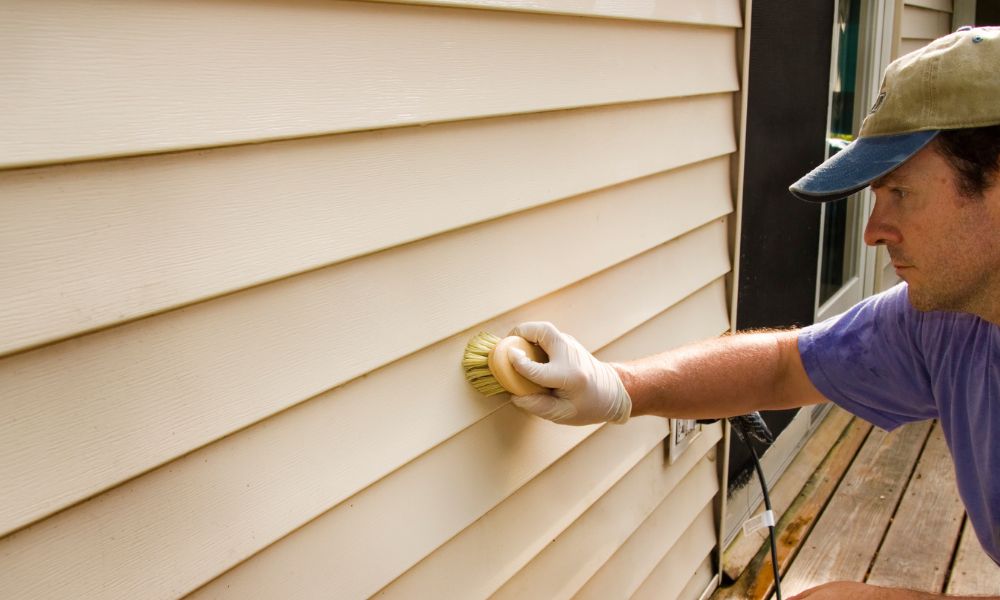
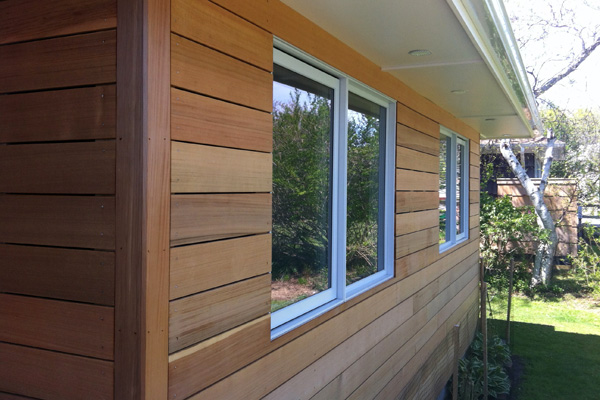
Plywood Siding

When it comes to choosing siding materials for homes, plywood siding continues to be a popular choice due to its affordability, versatility, and aesthetic appeal. But, like any material, it comes with both benefits and limitations. In this article, we’ll take an objective look at the pros and cons of plywood siding, supported by industry data and expert insights, to help you decide whether it’s the right option for your home.

What is Plywood Siding?

Plywood siding is an exterior cladding material made from thin layers of wood veneer bonded together with adhesive. The layers are arranged with alternating grain directions to enhance strength and stability.

It’s widely used for residential homes, sheds, and light commercial structures due to its cost-effectiveness and adaptability.

Alternative Names:

Key Data Point: According to a report from the National Association of Home Builders (NAHB), plywood siding accounts for approximately 20% of residential siding installations in North America.

The Pros of Plywood Siding

Cost-Effective Material

  • Plywood siding is generally more affordable than fiber cement or metal siding.
  • Lower material and labor costs make it a budget-friendly choice for homeowners.

Data Insight: On average, plywood siding costs $2–$5 per square foot, while fiber cement siding can range from $6–$13 per square foot.

Strength and Structural Integrity

  • The cross-grain construction makes plywood siding highly resistant to cracking and warping.
  • It can support additional weight, making it suitable for fixtures, lights, or decorative elements.

Fact: Plywood siding has a 25–30% higher tensile strength compared to standard wooden panels.

Versatility in Design

  • Available in various textures, finishes, and patterns.
  • Can be painted or stained to match different architectural styles.
  • Suitable for both modern and rustic home designs.

Example: Textured plywood siding can mimic the appearance of traditional wood grain while offering increased durability.

Easy Installation and Maintenance

  • Lightweight panels make it easier to transport and install.
  • Repairs and replacements are relatively straightforward.

Maintenance Tip: Regular sealing and repainting every 5–7 years can extend the lifespan of plywood siding significantly.

Plywood Siding

  1. Sustainable and Eco-Friendly
  • Made from natural, renewable wood sources.
  • Many manufacturers follow Forest Stewardship Council (FSC) guidelines for sustainable forestry.
  • Biodegradable at the end of its life cycle.

Sustainability Stat: Over 60% of plywood siding products in North America are sourced from sustainable forestry initiatives.

The Cons of Plywood Siding

Vulnerability to Moisture

  • Plywood siding is susceptible to water damage if not properly sealed or maintained.
  • Prolonged exposure to moisture can cause swelling, warping, or rot.

Expert Advice: Use moisture-resistant coatings and ensure proper ventilation during installation.

Limited Lifespan Compared to Other Materials

  • While durable, plywood siding has a shorter lifespan compared to metal or fiber cement siding.
  • Expected to last around 20–30 years with consistent maintenance.

Comparison Insight: Fiber cement siding can last up to 50 years with minimal upkeep.

Susceptibility to Insects and Pests

  • Untreated plywood siding can attract termites and other wood-boring insects.
  • Requires regular inspections and pest control treatments.

Tip: Opt for plywood siding that’s pre-treated with insect-repellent coatings.

Regular Maintenance is Necessary

  • Needs consistent sealing, staining, or painting to prevent weather damage.
  • Neglecting maintenance can lead to costly repairs.

Maintenance Fact: Homeowners spend an average of $200–$500 annually on plywood siding upkeep.

Fire Resistance Limitations

  • Untreated plywood siding is highly flammable.
  • Fire-retardant treatments can reduce flammability but add to the overall cost.

Fire Safety Note: Consider fire-rated plywood panels in wildfire-prone areas for added protection.

Plywood Siding vs. Other Siding Materials

Material Cost (per sq ft) Lifespan Maintenance Sustainability
Plywood Siding $2–$5 20–30 years High High
Fiber Cement $6–$13 50 years Low Moderate
Vinyl Siding $3–$8 30–40 years Low Low
Metal Siding $7–$15 40–50 years Low Moderate

Key Takeaway: Plywood siding is an excellent mid-range option that balances cost, sustainability, and ease of installation.

Is Plywood Siding Right for Your Home?

Choose Plywood Siding If:

✅ You’re on a budget but don’t want to compromise on durability.
✅ You prefer a natural wood aesthetic.
✅ You’re ready to commit to regular maintenance.

Consider Alternatives If:

❌ You live in an extremely humid climate.
❌ You want a low-maintenance siding option.
❌ Fire resistance is a top priority.

Conclusion: Balancing Pros and Cons

Plywood siding offers an affordable, durable, and versatile option for homeowners looking to upgrade their home exteriors. However, its success depends on proper installation, regular maintenance, and the right environmental conditions.

When thoughtfully chosen and well-maintained, plywood siding can provide years of dependable performance and visual appeal.

Final Takeaway: For those willing to invest time in upkeep, plywood siding remains a practical and aesthetically pleasing choice for modern homes.

Moving Services

Moving on short notice can be quite a huge hassle. The key to a successful last-minute move is to stay calm and carefully follow a well-thought-out plan. Hiring companies like Safe Ship Moving Services can also significantly help in the process. No matter whether one is moving across the country or dealing with a long distance move between states, such companies are staffed with experienced advisors who help in coordinating a move seamlessly.

Safe Ship Moving Services underlines how to handle a last-minute move

To handle a last-minute move, one firstly needs to make a plan for everything that needs to be done in the process. This list of activities or tasks can act as a reference point, that keeps people on track. Whenever they get too overwhelmed with the move, one can look at the list for reference and take a single task at a time. To effectively plan a move, one needs to start by listing all the items they are planning to take to the new home. For more detail-oriented people, it would be prudent to create a list per room and a timeline for packing each room. This can make the process run more smoothly.

When detailing the to-do list, people should consider focusing on the big items in each room and think about how to dismantle them when transporting them to the new house. Any valuable items that may need to be handled and packaged securely should also be taken into account. Once a person has a plan in place for such activities, they need to start packing.

Moving Services

Packing for a last-minute move can feel overwhelming, and hence to make the process more manageable it would be a good idea to set up a packing station. People must gather all the necessary packing materials for the move, like cardboard boxes, bubble wrap, masking tape and more, and set up the packing station. If one has kids at home, then it would be a good idea to seek their assistance to speed up the packing process.

One should follow a top-down approach when it comes to packing, and start with bedrooms prior to moving to a downstairs room. Rather than worrying about organizing the clothes before packing, people need to aim for packing more swiftly and efficiently. For superior efficiency, it is better to keep the clothes on their hangers. One needs to label their moving boxes and clearly state what is in each box to make things easier at the unpacking stage.

After unloading your belongings into the new home, the very last thing one would want is to dig through countless boxes searching for basic comforts. To ease the stress of moving day, it would be a good idea to pack a bag with essential items beforehand. This bag can include fresh toiletries, a cosy blanket, toys to keep children entertained, as well as a few favourite snacks to help everyone settle in more comfortably.

When moving to a new home at short notice, people should not hesitate to seek assistance from family and friends, or at least hire companies like Safe Ship Moving Services to make the process smoother.

Traditional Heating

When it comes to keeping your home comfortable, choosing the right heating system is essential. Whether you opt for a heat pump in Chattanooga or a traditional heating system, understanding the differences can help you make an informed decision. Each option has unique advantages, depending on factors like climate, budget, and energy efficiency needs.

How Do Heat Pumps Work?

Heat pumps are versatile systems that provide both heating and cooling. They work by transferring heat from one place to another, making them highly efficient. In winter, they draw heat from the outside air (even in cold temperatures) and transfer it indoors. In summer, they reverse the process, acting as an air conditioner.

If you’re curious about the specific benefits of heat pumps, check out this detailed guide on heat pumps and their benefits.

What Are Traditional Heating Systems?

Traditional heating systems typically include furnaces or boilers that burn fuel, such as natural gas, oil, or propane, to generate heat. These systems distribute warmth through ductwork (for furnaces) or radiators (for boilers). While reliable, they may not always be the most energy-efficient option, especially in milder climates.

Comparing Efficiency

Heat Pumps

One of the most significant advantages of heat pumps is their energy efficiency. Since they transfer heat rather than generate it, they consume less energy than traditional systems. This makes them an excellent choice for reducing utility bills and minimizing environmental impact.

Traditional Heating Systems

While traditional systems can be highly effective in extremely cold climates, they often consume more energy due to their reliance on fuel combustion. This can lead to higher operational costs over time.

Installation and Upfront Costs

Heat Pumps

The installation cost of a heat pump can be higher than traditional systems, but many homeowners view this as a worthwhile investment due to long-term energy savings. Additionally, modern heat pumps often qualify for energy rebates and incentives.

Traditional Heating Systems

Traditional systems usually have a lower upfront cost, making them appealing to budget-conscious buyers. However, these systems may require more frequent maintenance and incur higher fuel costs over time.

Climate Considerations

Heat pumps are particularly well-suited for regions with moderate winters, like Chattanooga. They may struggle in extreme cold unless paired with a supplemental heating source. On the other hand, traditional systems excel in regions with harsh winters but might be overkill in milder climates.

Which Is Right for You?

Your choice between a heat pump and a traditional heating system ultimately depends on your specific needs. If you prioritize energy efficiency and live in a milder climate, a heat pump is likely the better option. For those in colder climates or with existing ductwork, a traditional system may be the way to go.

For homeowners in the area, exploring heat pump services could be a great first step. Professionals can help assess your home’s heating and cooling needs, ensuring you make the best decision.

Also read: Choosing the Best Heat Pump for Cold Climates: What You Need to Know.

Conclusion

Both heat pumps and traditional heating systems have their strengths and weaknesses. By weighing factors like energy efficiency, climate suitability, and budget, you can select the system that best meets your needs. Whether upgrading your current setup or installing a new system, informed decisions will ensure your home stays comfortable year-round.

Clean air ducts are essential to the health and comfort of employees, clients, and customers in Edmonton’s commercial areas. Commercial duct systems collect dust, allergens, mold, and sometimes even debris over time; this negatively affects air quality, raises energy consumption, and poorly impacts HVAC system performance. Choose an appropriate commercial duct cleaning service for thoroughly cleaning a safer environment with long-term savings. 

What follows is a guide that will help business owners select reliable services when it comes to commercial duct cleaning in Edmonton:

Look for Relevant Experience in Commercial Duct Cleaning

Commercial systems are usually larger and more complicated compared to residential ones, thus requiring special knowledge and skills. Choosing a company with experience in commercial duct cleaning guarantees professionals who understand the special needs a commercial property would have: high-traffic areas, rooms of different sizes, and various HVAC systems put in place.

Why experience matters:

  • Familiarity with Complex Systems: Experienced experts feel comfortable operating and maintaining larger, more complicated duct networks typical of most commercial buildings.
  • Efficient Service: Accomplished technicians work with speed, thus minimizing disruption to business operations.
  • Assurance of Quality: The experienced team is bound to provide deep and quality cleaning.

Verification of Certifications and Licenses

Any legitimate commercial duct cleaning company would be expected to meet set criteria for licenses and certifications concerning safety and quality in Alberta. Providers who are licensed are more likely to have passed through rigorous training and be more capable of handling issues that arise.

Check Equipment and Cleaning Methods

Effective cleaning of the ducts in a commercial setting does, of course, depend on high-quality, professional-grade equipment. Ask what kind of equipment and methods the company uses; a reputable one will have powerful, truck-mounted vacuums and advanced air-scrubbing devices catering to large-scale commercial systems. Firms with outdated or woefully insufficient equipment that cannot remove all contaminants should be avoided.

Read Reviews and Ask for References

Reviews mean a lot when selecting prospective service providers in the modern digital era. Check for online reviews at acknowledged platforms like Google or the Better Business Bureau (BBB). Also, request the company provide references from other local businesses. Reputable companies offering duct cleaning services in Edmonton should be able to give out client testimonials and case studies showing their work with similar commercial properties.

How Reviews and References Help

  • Service Quality Insights: Reviews and testimonials will also provide insight into the firm’s professionalism, whether it is timely, and the quality of work.
  • Transparency: A firm that is more willing to vouch through references is likely more trustworthy and concerned about customer satisfaction.
  • Community Reputation: Determine whether they have been able to establish a decent name within the Edmonton business community.

Choosing the right commercial duct cleaning service in Edmonton is an investment in your company’s health, efficiency, and general environment. Considering the company’s experience, equipment, certification, and reputation, you can find an appropriate service provider to help you with fresh, clean air for your building. Spending the time to select a reputable, professional duct cleaning service creates a healthier workspace, reduces energy costs, and prolongs the life span of your HVAC system. These are benefits that make all the difference to your business.