
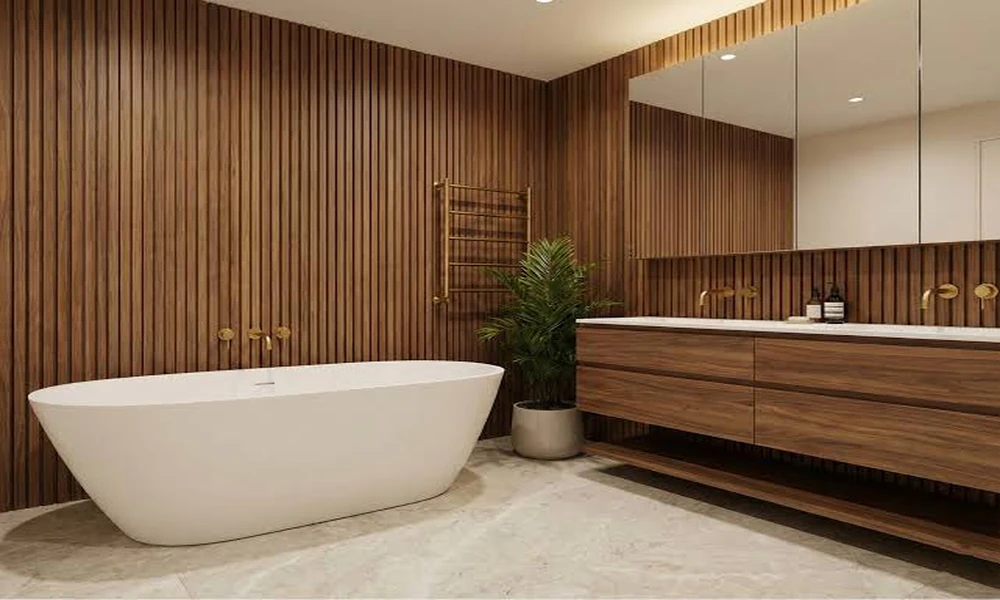
A bathroom remodel starts with the part you can see: tile, vanity, a new tub. But the success of the project depends on what you cannot see. Pipes, drains and vents run behind the walls and under the floor, and they decide what layouts are possible, how long the work takes and how much it costs. Understanding them before demolition turns surprises into plans.
If you are researching bathroom remodels in Maddison, start with the plumbing conversation. Madison-area homes range from older houses with decades-old pipes to newer builds with modern materials, and each one hides different challenges. Here is a guided look behind the walls.
The Supply Lines: Bringing Water In
Supply lines carry hot and cold water to every fixture. In older homes they may be galvanized steel or copper that has aged, which can mean low pressure, discolored water or hidden leaks. A remodel is the most convenient time to look at their condition, because the walls are open anyway.
If the old pipes are in poor shape, re-piping during the remodel is usually easier than opening the wall again later. Ask your plumber to tell you what material is there now, and what they recommend.
The Drain and Vent System: Taking Water Out
Drains must slope correctly to carry waste away, and vents let air into the system so water flows smoothly and sewer gas stays out. These parts are less glamorous than supply lines, but they decide where a toilet, tub or sink can go.
Moving a toilet or shower to a new spot often means changing the drain and vent runs. That is why a layout change can cost far more than swapping a vanity in the same position.
Old Cast Iron and Hidden Surprises
Houses of a certain age often have cast iron drains. Over time, cast iron can corrode, crack or clog from the inside. Opening the floor for a remodel is a good moment to inspect it. If the pipe is failing, replacement during the project spares you a second round of demolition.
Shutoff Valves: Small Parts, Big Peace of Mind
Each fixture should have its own shutoff valve, so you can stop the water at a single toilet or sink without shutting off the whole house. New valves are inexpensive during a remodel, and they will repay you the first time a supply line fails.
Choosing Fixtures That Use Less Water
Fixtures are where plumbing meets style, and they are also where you can lower water use. The EPA’s WaterSense program says bathrooms account for more than half of the water families use indoors, and that a WaterSense bathroom remodel can save nearly 10,000 gallons of water every year, along with energy and money.
The page points shoppers to the WaterSense label on showerheads, residential toilets and bathroom faucets, which are sold at retailers nationwide. Look for that label when you pick fixtures, and ask your plumber whether the model you like carries it.
Working With a Plumber Who Knows the Territory
The company behind this website, 4 Lakes Plumbing, describes itself as serving Madison since 1995, and lists bathroom and kitchen remodeling, fixture installs, water line relocations, re-piping and cast iron replacement among its services. It also says its work is built to code. When you interview any plumber, ask them the same kinds of questions.
Questions to Ask Before Demolition
- What material are my supply and drain pipes made of today?
- Will my new layout require moving drains or vents?
- Is there cast iron that should be inspected or replaced?
- Will each fixture have its own shutoff valve?
- Do the fixtures I chose carry the WaterSense label?
- Will the work meet local code, and who handles permits?
The Takeaway
A beautiful bathroom is built on good plumbing. Take the time to learn what sits behind the walls, ask questions early and choose efficient fixtures, and the finished room will look great and run quietly for years.

Comments are closed.