
Manufacturing plants pack heat, fuel, and moving machinery under a single roof, which makes them some of the most demanding places to protect from fire. When an alarm panel is offline, or a crew is cutting steel, a trained person has to stand in for the safeguards that are temporarily missing. That person is the fire watch. The role is narrow but vital: look for danger, deal with small problems early, and make sure professional responders arrive quickly when something larger develops. This article explains what a fire watch is expected to do inside a factory.
Because high-output industrial facilities cannot afford costly downtime or catastrophic safety failures when automated protections are offline, bringing in experienced Fire Watch Guards ensures continuous, reliable oversight on the factory floor. Trained personnel understand how to navigate complex production environments, identify subtle industrial ignition risks before they escalate, and keep operations compliant with strict safety codes until normal suppression systems are restored.
Watching Hot Work and Impaired Systems
Most assignments in a plant begin for one of two reasons. The first is hot work, such as welding, grinding, or torch cutting, which throws sparks that can land far from the workspace. The second is an impairment, meaning a sprinkler zone, alarm panel, or suppression system has been shut down for repairs. In either case, the watcher must understand why they have been posted and what could go wrong in that particular area. Before work starts, they should walk the zone, note nearby combustibles, and confirm that anything flammable has been moved or shielded.
Spotting Industrial Hazards
Factories carry hazards that offices rarely face. Combustible dust can settle on ledges and ductwork, oils and solvents may sit in open containers, and overloaded electrical equipment can run hot without any visible flame. A watcher patrols with these possibilities in mind, checking for smouldering material, unusual odours, scorch marks, and stray sparks that dropped out of sight, including onto lower floors or behind machinery. Hot work areas are typically inspected across a wide radius, and the widely used NFPA 51B standard treats a distance of 35 feet as its starting point.
Equipment, Communication, and Response
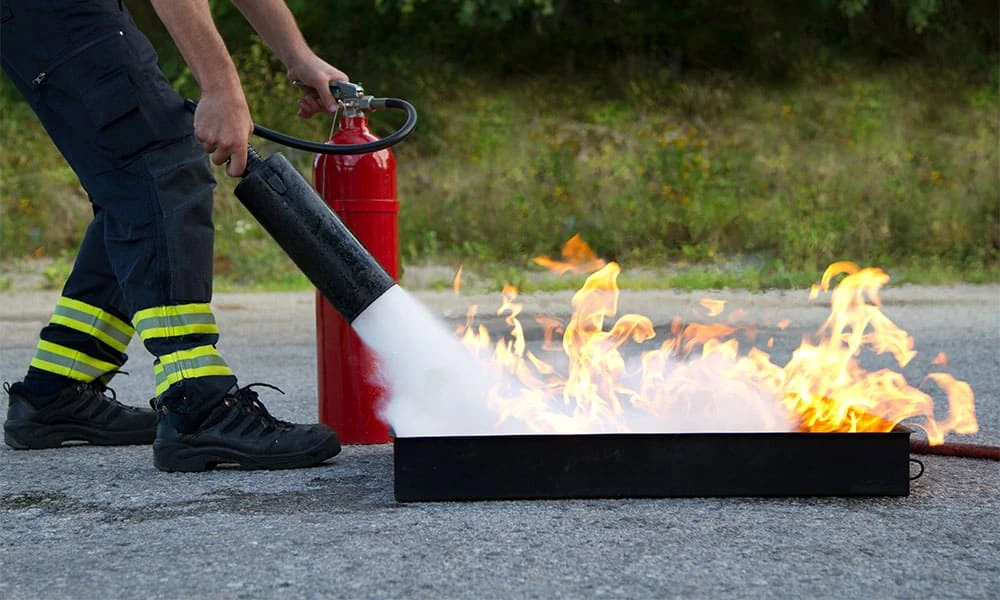
A watcher should never be empty-handed. A suitable extinguisher needs to be close by, and many programs specify a minimum rating and a maximum distance from the work. They also need a dependable way to summon help, whether that is a radio, a phone, or a manual pull station. The watcher is not there to battle a blaze. Immediate action to raise the alarm should always be the top priority.
Staying Beyond the Final Spark
The job does not end when the welder puts down the torch. Common codes and OSHA rules call for the watch to continue for at least thirty minutes afterwards, and a permit or insurer may demand longer, because smouldering material can take time to flare up. Each shift should also produce a written log of patrol times and observations.
Conclusion
A fire watch in a manufacturing plant is a safeguard built from attention, preparation, and quick communication. By understanding the hazards of the specific site, carrying the right equipment, and keeping accurate records, the watcher gives the facility a dependable layer of protection while its normal defences are unavailable. Plants that treat the role seriously protect their workers, their equipment, and their production schedules.

Comments are closed.