
Tag

metals

Browsing

When it is finally time to demolish your old spa, your first instinct may be to break out the sledgehammer. Resist that urge for a moment. Draining 400-500 gallons of chemically treated water incorrectly, by emptying it into a storm drain for example, could end up flooding your neighbors’ yards, potentially killing their pets, or worse you may even end up with a fine!

If you follow these steps for draining your spa, you will be halfway to a successful and eco-friendly demolition. Proper preparation will have you ready to avoid surprises and keep your update to when you had planned.

Checking Municipal Bylaws

Every city treats hot‑tub water a little differently. Before you pull the drain plug, call or visit your local public‑works office to learn the do’s and don’ts. Many suburban codes classify chlorinated or brominated spa water as “prohibited discharge” unless certain conditions are met.

Some municipalities even provide a free online lookup that lets you check your address and see exactly which waterways your storm drains feed into. If the search page isn’t clear, a five‑minute call to the utility desk usually clears things up.

Two or three quick calls now can save you the cost of a citation and the headache of a last‑minute schedule change with your licensed demolition contractor.

You’ll usually need to confirm:

  • A waiting period (often 24–48 hours) so sanitizer levels drop to safe limits
  • Acceptable pH range (typically 6.5–8.5). Visit https://www.epa.gov/goldkingmine/what-ph for more information.
  • Whether a discharge permit or inspection is required

Local rules change faster than you think, so double‑check every time you plan a removal. Remember, a single violation can cost more than a month of water bills, so the paperwork is worth the few extra minutes.

Can I Drain Water Into Street?

Sure, it might seem easy to snake a hose under your gate to the curb, but most storm drains just run straight to a creek or lake. Cities also usually restrict dumping any chlorinated water into the stormwater system because even a small amount of sanitizer can kill fish eggs. And just because your neighbor says they didn’t have a problem dumping chlorinated pool water onto the ground last year, municipal rules could have changed since then. One workaround is to direct the hose to a laundry sink that drains to the sanitary sewer – the water will be treated before being released.

If you’re hiring full‑service junk hauling, ask the crew to include a pump‑out to the sewer in their quote. Reputable teams like Hot Tub Removal Coeur d’Alene bring submersible pumps and neutralizer tablets so you don’t have to babysit the drain line.

Street‑drain red flags

Please read the next two sentences, then refer to the bullet points. These points outline tell‑tale signs that emptying water at the curb isn’t legal where you live:

  • Any curb marker showing a fish symbol or “No Dumping—Drains to River”
  • Neighborhood located within 200 feet of wetlands or protected watershed
  • HOA rules that reference “no discharge to common areas”
  • County ordinances citing fines for illicit storm‑sewer connections

When in doubt, keep the hose off the pavement. If a contractor suggests street draining without a permit, treat that as a red flag and look for someone who knows the code.

Neutralizing Chemical Water

Even if your city allows outdoor discharge, chlorine or bromine must be near zero first. Test strips should read under 0.1 mg/L of free chlorine before release, per EPA best practices. Check this site for more details. For bromine systems, plan on an extra day; bromine dissipates slower than chlorine. A cheap garden kit lets you verify levels before opening the valve.

You can:

  1. Remove the spa cover and let sunlight burn off sanitizer for two days.
  2. Add a neutralizing product such as sodium thiosulfate.

While you wait, line up eco‑friendly disposal for the shell, cover, and plumb‑lines. Many demo crews offer post‑demolition cleanup so debris doesn’t linger on your driveway. Here’s a handy map to one such contractor in North Idaho—feel free to zoom and plan your route:

https://www.google.com/maps/embed?pb=!1m18!1m12!1m3!1d38878.07868475315!2d-116.79217704999999!3d47.701804499999994!2m3!1f0!2f0!3f0!3m2!1i1024!2i768!4f13.1!3m3!1m2!1s0x899ffb3346a3d9cd:0x8cc78dcc3f443951!2sJTC%20Demolition%20Coeur%20d%27Alene!5e1!3m2!1sen!2s!4v1753075990649!5m2!1sen!2s

Using Garden Runoff Safely

Once the sanitizer is neutralized, you can put that water to work. A slow drain onto turf can irrigate thirsty lawns, saving you on your next utility bill. Aim for early morning or dusk release so water doesn’t flash‑evaporate and stress your grass. To avoid erosion, attach a sprinkler or soaker‑hose head to the end of the discharge line. Move the hose every 15 minutes so one area doesn’t get water‑logged.

Remember to skip this option if your hot tub uses saltwater systems. High salinity harms most landscape plants and could corrode patio fixtures. If salt is present, stick with the sanitary sewer or hire a construction debris removal service that includes filtered pump‑outs. If you notice pooling, rake lightly to break surface tension and help absorption.

Preventing Soil Contamination

Hot tub water can contain dissolved metals, scale remover, and algaecides that can stain the soil. When emptying the hot tub, place the hose downhill from the veggie gardens and far away from storm drain inlets. After you empty the hot tub, walk the path of where your runoff went: if you observe puddles, break up the soil with a rake so everything gets a chance to soak in evenly. You may want to follow up by adding a thin layer of compost, which can help bind residual metals and re-energize the area.

Final tip: After taking apart the shell, sweep up ceramic or foam or fiberglass bits before the next rainstorm washes them in to your yard. A responsible contractor will have included bundling this step in their site cleanup charge, giving you a clean slate for the next project’s deck or greenhouse.

Safely draining your spa is the quiet hero of a smooth teardown. Follow local rules, neutralize chemicals, and think about where every gallon ends up. You’ll protect your lawn, your neighbors, and your wallet—long before the first screw is loosened.
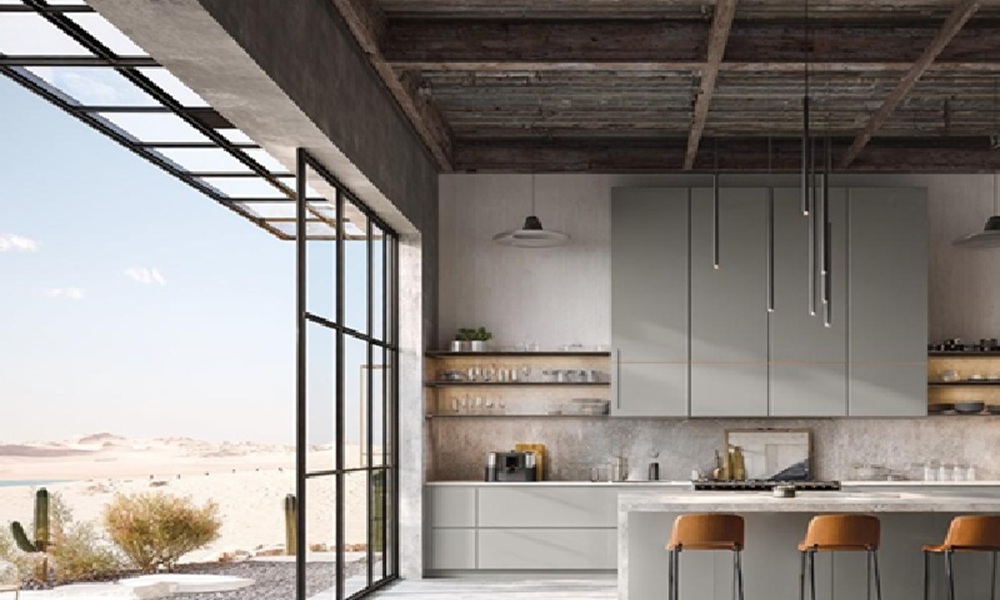
Grey kitchen cabinets are having a major moment. They’re trendy, timeless, and incredibly flexible when it comes to style. Whether your home is modern, rustic, farmhouse, or industrial, grey fits right in.

In this post, we’re diving deep into why grey kitchen cabinets are such a hit, the many shades you can choose from, and how to style them so they pop in any space. 

Let’s explore 50 shades of style that will make you fall in love with grey all over again.

Why Choose Grey Kitchen Cabinets?

Grey is one of the most popular colors in kitchen design—and it’s easy to see why. It’s soft but strong, neutral but not boring, and classy without trying too hard. 

Let’s look at the top reasons people are choosing grey:

  • Timeless appeal: Unlike trendy bright colors that fade in popularity, grey is always in style.
  • Neutral but interesting: It blends well with other colors while adding depth and character.
  • Works with all styles: Whether you like clean modern lines or cozy farmhouse vibes, grey fits.
  • Practicality: It hides fingerprints and smudges better than white, making it ideal for busy families.

Grey lets you design a kitchen that feels personalized, stylish, and functional—all at the same time.

1. Light Grey Cabinets: Airy and Elegant

Light grey is soft, subtle, and perfect for brightening up your kitchen.

This shade works wonders in small kitchens or areas with limited natural light. Unlike white, which can sometimes feel too sterile, light grey offers a bit of warmth and texture.

Pair light grey cabinets with white or marble countertops, silver hardware, and simple backsplashes to create a clean and classy look. Add a few plants or natural wood touches for balance.

This shade brings elegance to your space while keeping it cozy and welcoming.

2. Warm Greys: Cozy and Inviting

Warm grey has undertones of beige, brown, or even a touch of pink. These colors make your kitchen feel softer and more comfortable, like a warm hug.

Warm grey cabinets go beautifully with natural wood floors and beige walls. The mix of tones adds a gentle warmth that makes the room feel like home.

To enhance the cozy vibe, add copper, bronze, or antique gold hardware. These touches bring a gentle glow and create a homey, lived-in look.

This is the perfect choice if you want your kitchen to feel warm, welcoming, and timeless.

3. Cool Greys: Sleek and Modern

Cool grey is the go-to color for modern and minimal kitchens. It usually has blue, green, or violet undertones, giving it a cooler and cleaner appearance.

Cool grey cabinets work great with stainless steel appliances, white quartz countertops, and matte black hardware. Add a glossy backsplash or open metal shelves for a trendy industrial feel.

If you love sleek lines, tidy spaces, and a clean, futuristic look, cool grey will be your best friend.

4. Charcoal Grey: Dramatic and Bold

Charcoal grey is deep, moody, and full of personality. It’s like black but softer and more forgiving.

This bold shade is best in kitchens with plenty of light, either from big windows or good lighting. If the space is too dark, charcoal cabinets might make it feel heavy.

Pair with light countertops and backsplashes to create balance. Brass or gold fixtures can add a luxurious touch.

Charcoal grey is perfect for those who love dramatic, rich, and high-end design.

5. Two-Tone Style: Grey and White Together

Want a balanced look? Go two-tone.

Grey lowers with white uppers create a grounded, yet airy space. The darker grey draws the eyes downward, while the white on top keeps the room feeling open.

This combo is also great if you want to dip your toe into grey without fully committing. You get the style benefits without going too bold.

Add a bright or patterned backsplash for a little pop, and you’ll have a kitchen that’s both trendy and timeless.

6. Grey Cabinets with Open Shelving

Mixing grey cabinets with open shelves is a modern farmhouse dream.

Install open shelves in wood or metal above your grey base cabinets. It adds visual interest and gives you a chance to display pretty dishes, cookbooks, or greenery.

This combo brings balance—the grey cabinets offer structure while the shelves keep things light and airy.

It’s also practical. You can reach for your most-used items easily while keeping the lower cabinets organized.

7. Matte Grey Finish: Smooth and Sophisticated

Matte cabinets are popular for their understated elegance. They don’t reflect much light, which makes them look softer and more grounded.

Matte grey is especially great for busy kitchens. It hides smudges and fingerprints better than glossy finishes.

This look pairs well with wooden countertops, soft lighting, and clean lines. If you want your kitchen to feel calm and composed, matte grey is the way to go.

8. Glossy Grey Cabinets: Clean and Reflective

Glossy finishes bounce light around the room, making kitchens feel bigger and brighter. Grey in a glossy finish looks sleek, clean, and a bit futuristic.

It’s a great option for modern kitchens, especially when combined with stainless steel or chrome hardware.

Glossy grey cabinets are also easy to wipe clean—perfect for homes with kids or busy cooks.

9. Grey Shaker Cabinets: Classic With a Twist

Shaker cabinets are known for their simple, timeless design. Add a layer of grey paint, and they get an instant modern upgrade.

This style works in nearly every home, from traditional to contemporary.

You can customize the look based on the shade you choose:

  • Light grey for a country or farmhouse vibe
  • Mid-grey for a transitional look
  • Charcoal grey for something more dramatic

Add minimalist hardware for a cleaner finish or go bold with gold handles for extra flair.

10. Grey Cabinets with Bold Countertops

Grey is the perfect neutral base if you want to show off a bold countertop.

Whether it’s bright white quartz, dramatic black granite, or marble with strong veining, grey cabinets let the countertop take center stage.

The contrast makes both elements stand out. Plus, you get a chance to mix textures—smooth countertops with painted cabinets, for example.

This style is great if you want a unique kitchen that doesn’t feel over-designed.

11. Grey with Wood Accents: Natural Meets Modern

Wood and grey work together beautifully. The grey tones add a modern edge, while the wood brings warmth and nature into the space.

Think butcher block countertops, exposed ceiling beams, or wood-framed open shelving.

You can also use wooden bar stools, woven baskets, or cutting boards to add a rustic touch.

This combo strikes a perfect balance between soft and strong, natural and modern.

12. Grey Cabinets with Black Hardware: Sleek Contrast

Black hardware is bold, minimal, and stylish—especially when paired with light or mid-tone grey cabinets.

Use long black handles or simple round knobs for a clean, modern look.

If your kitchen has black fixtures or lighting, matching the cabinet hardware ties everything together.

This combo works well in industrial, urban, or Scandinavian-style kitchens.

13. Grey Cabinets with Gold Accents: Touch of Glam

Want a little sparkle in your kitchen? Add gold or brass hardware to your grey cabinets.

Gold tones pop beautifully against grey, adding elegance and warmth. They look especially nice on darker greys or matte finishes.

To keep things from looking too fancy, balance with simple counters and soft lighting.

This is the perfect combo if you want your kitchen to feel both cozy and classy.

14. Grey Cabinets in Small Kitchens

Yes, grey works in small kitchens! Just go for the right shade.

Light greys or glossy finishes help reflect light and make the space feel bigger. Avoid very dark greys unless you have plenty of lighting.

Use glass-front cabinets or open shelving to reduce visual clutter. Keep the walls and counters light to maintain an open feel.

Grey adds sophistication without overwhelming a compact space.

15. Painted Grey Cabinets: Budget-Friendly Update

Already have cabinets in good shape? Give them new life with a coat of grey paint.

Painting your cabinets is one of the easiest and cheapest ways to transform your kitchen. You don’t need to replace anything—just prep, prime, and paint.

Choose high-quality cabinet paint for durability. Matte, satin, or semi-gloss finishes all work, depending on your style.

Don’t forget to swap out the hardware for a fresh look!

16. Grey Cabinets and Backsplashes: Creative Combos

The right backsplash can take your grey kitchen to the next level.

Here are some ideas:

  • White subway tile for a classic, clean look
  • Herringbone or hex tile for pattern and interest
  • Colorful glass tile for a modern twist
  • Natural stone for rustic charm

You can also use grout color to your advantage—try grey grout with white tiles to tie things together.

17. Mix and Match Shades of Grey

Can’t choose just one shade? You don’t have to.

Layering different greys in your kitchen can create a beautiful, textured look. Use lighter greys on the top cabinets and darker shades on the bottom. Or make your island a different shade of grey for contrast.

To keep things looking cohesive, use the same hardware and countertop material throughout.

Mixing greys adds depth without adding clutter.

Final Thoughts: Grey Is the New Classic

Grey kitchen cabinets are more than just a trend—they’re a design staple. Whether you’re going for a high-end makeover or a budget-friendly refresh, grey offers endless possibilities.

From soft dove tones to deep charcoals, matte finishes to glossy sheens, there’s a grey for every personality and home style. You can pair it with bright whites, warm woods, bold metals, or colorful backsplashes to make your kitchen truly yours.

So go ahead—explore the 50 shades of style. With grey kitchen cabinets, you’re never limited. You’re only inspired.

Water Damage

When a fire occurs, the immediate damage caused by flames is just one part of the problem. In many cases, the water used to extinguish the fire leaves behind extensive water damage, making restoration even more complex. Whether it’s soaked floors, damaged ceilings, or compromised insulation, responding quickly is essential to prevent mold growth and structural deterioration. For residents and businesses, hiring a professional water damage restoration service in Buford ensures the process is handled efficiently and safely from the start.

Understanding the Impact of Water Damage After a Fire

Water damage can be deceptive. After the fire is out, hidden moisture can seep into walls, floors, and ceilings. This residual water can weaken structural integrity and create the ideal environment for mold and mildew. It’s not just about drying visible areas—professional services have the tools to detect and remove moisture from unseen places, preserving the safety and longevity of the property.

Why Immediate Action is Critical

Delays can cost more than just money. Water damage spreads quickly, and within hours, it can warp wood, corrode metals, and begin breaking down drywall. Within 24-48 hours, mold can start to grow. Professionals act fast, using industrial-grade equipment to extract water, dehumidify spaces, and sanitize affected areas. Addressing the issue quickly doesn’t just protect the building—it safeguards the health of those who live or work inside.

Steps Professionals Take During Restoration

Fire and water damage restoration is a multi-step process. Certified technicians begin with a thorough assessment to understand the extent of damage. They then proceed with water extraction, drying, and dehumidification, followed by cleaning and sanitizing to remove smoke residues and potential biohazards. Structural repairs come next, ensuring everything is restored to its original condition or better.

Hidden Risks of Water Damage You Shouldn’t Ignore

Even when things look dry, danger might still be lurking. Water can seep into insulation, behind walls, or under flooring. If left untreated, this hidden moisture can compromise structural elements and foster mold growth. That’s why relying on experts—rather than attempting to assess the damage alone—is the best path forward. Their experience and equipment make all the difference.

Before diving into structural repairs, ensuring that all areas have been thoroughly dried is crucial. Improper drying can result in long-term problems, including persistent odors, weakened supports, and even electrical hazards. In some cases, you’ll notice how fast action in water damage restoration saves your business from downtime, something no homeowner or business owner can afford to ignore.

Conclusion

Recovering from a fire is never easy, and the water damage that follows can make things even more challenging. But with the right approach and expert help, your property can be restored safely, efficiently, and thoroughly. Acting quickly, choosing experienced professionals, and understanding the risks of water damage ensures that your restoration process doesn’t just fix what’s broken—it prevents future issues. This proactive approach safeguards your property’s value and your family’s health. Trusting skilled restoration teams ensures peace of mind during a difficult time.

From the 3 major years, very good of metal garage structures is becoming extremely popular. Formerly, there’s vogue of wooden garages but because of its drawbacks, it’s been receded back and metal structures needed its place. The simplest metal structures have ample exceptional features there. Here’ will castigate a few in the prominent features that have stemmed design for wooden garages and carports, what are benefits of having a wooden garage along with a metal garage?

The state of construction technology - 2019

Wood might be a good material for garage construction however , pricey. However, the garages which are constructed with wood are extended lasting and it is exploited for several generations. The sturdiness also depends upon being careful within the place too. Another factors because of its durability involve the standard of the wood along with the procedure garage’s placement. However, the drawbacks of people wooden garages that are absent in metal structures is the fact wooden garages don’t have any resistance for insects, water along with other additional conditions. It’s also very pricey as well as for an easy garage, you need to spend heavy money. Similarly, once the question arises from the pulling lower or substitute, wooden structures give total loss.

What is Construction ERP | Best ERP Software 2021 | LightHouse ERP

Although the Metal garages are less durable in comparison to wooden structures but they’re low maintenance. You don’t have any threat of termites along with other other concerns. There are lots of metals available for the greatest quality garage structures for example plastic, aluminum and fiberglass. Metal garages keep the vehicles along with other goods from outer calamities for example thunder, rain and fire. You will find pre-manufactured prefabricated garage kits in a number of styles. Additionally, should you pull these structures lower, you can reuse the metal within the building along with other purpose too. Because of its beneficial features, Metal garage structures are broadly loved within the u . s . states together with world, in comparison to wooden structures.