
Buying an investment property in Austin, Texas, can be an exciting opportunity. Whether you are purchasing an older home in Hyde Park, a rental property in South Austin, or a house near the growing communities around North Austin, the goal is usually the same: make a smart investment, control renovation expenses, and get the property ready for reliable, long-term rental income.
But before you start calculating your expected returns, there is one important part of the property that deserves a closer look: the electrical system.
Electrical problems are not always obvious during a walkthrough. A house might have fresh paint, updated flooring, and a renovated kitchen while still hiding aging wiring, an overloaded electrical panel, damaged outlets, or questionable modifications made by a previous owner. These issues can become expensive surprises when renovation work begins or a tenant is preparing to move in.
For property investors, an electrical inspection is an opportunity to understand what they are buying before committing more money to the project. It can help identify visible concerns, establish priorities, and provide a clearer picture of the electrical work that may be needed before the property is ready for occupancy.
Working with an experienced electrical contractor like Tejas Electric can also help investors determine which issues deserve immediate attention and which improvements can be considered as part of a longer-term renovation plan.
Why Electrical Inspections Matter Before Buying an Austin Rental Property
When evaluating an investment property, it is easy to concentrate on the purchase price, comparable rents, property taxes, insurance, and the cost of cosmetic improvements. Those numbers matter, but the condition of the electrical system can affect the overall budget just as significantly.
Consider a rental home that appears to need only minor updates. You might budget for interior paint, new appliances, bathroom fixtures, and a few flooring repairs. However, an electrical evaluation could uncover a panel that needs attention, damaged wiring in an accessible area, missing grounding connections, or insufficient circuits for the planned upgrades.
Suddenly, the original renovation estimate looks different.
This is why electrical work should be considered early in the investment process rather than treated as an afterthought. When you know about potential problems before closing, you have more information to help evaluate the purchase price, negotiate repairs where appropriate, and estimate how much capital you will need to prepare the property.
An inspection can also help investors compare properties more realistically. Two homes with similar square footage and expected rental income may have very different electrical needs depending on their age, maintenance history, previous renovations, and intended use.
Before closing on a home or starting a renovation, Austin homeowners can rely on Tejas Electric’s electrical inspection services to help identify potential electrical hazards, outdated components, and issues that may require attention.
For landlords and investors, that information can be useful when building a renovation budget, planning improvements, and deciding when the property may be ready for tenants.
1. Look for Electrical Problems Before Finalizing Your Renovation Budget
Every investment property has a financial target. You might be aiming for a specific monthly cash flow, a particular return on investment, or a renovation budget that allows you to rent the property within a few weeks of closing.
Unexpected electrical work can put pressure on all three.
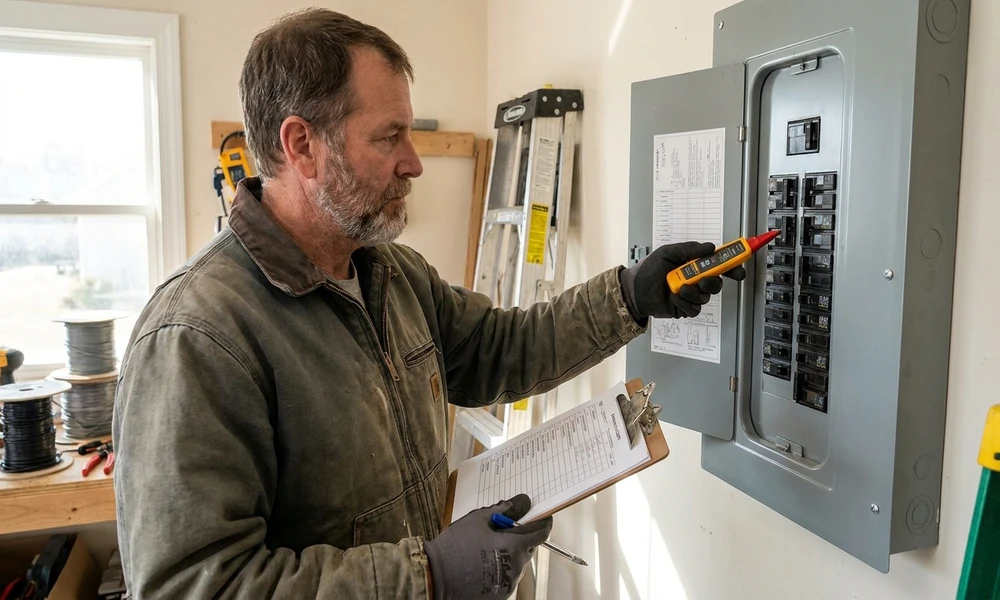
During an electrical inspection, a qualified electrician evaluates accessible components and looks for visible signs of damage, deterioration, improper installation, or other conditions that may warrant further investigation.
Depending on the property, potential findings might include:
- Damaged or deteriorated wiring in accessible areas.
- Loose, damaged, or improperly installed outlets and switches.
- Signs of overheating, including discoloration or heat damage around electrical connections.
- Exposed conductors or missing protective covers.
- Improperly secured wiring or questionable splices.
- Electrical modifications that appear inconsistent with standard installation practices.
- Missing or damaged components that require repair or additional evaluation.
Not every unusual installation automatically means the work is unsafe or unpermitted. However, modifications that appear questionable may need further review, particularly if there is no documentation showing who performed the work or whether required permits and inspections were obtained.
This distinction matters when estimating costs. A visible concern may require a relatively straightforward repair, while a problem involving concealed wiring could require additional investigation before a reliable estimate is possible.
Tejas Electric can help property owners understand the electrical issues identified during an evaluation and determine what additional work or investigation may be appropriate.
The sooner you have that information, the easier it becomes to build a realistic renovation budget instead of relying on assumptions.
2. Evaluate the Electrical Panel, Service Equipment, Grounding, and Bonding
The electrical panel is one of the most important parts of a property’s electrical system. It distributes power to the home’s circuits and contains protective devices designed to interrupt power when certain electrical faults or overloads occur.
When purchasing an investment property, do not assume the panel is adequate simply because the lights turn on and the appliances appear to work.
An electrician can examine the accessible panel and service equipment for conditions such as corrosion, overheating, damaged breakers, improper wiring, missing covers, and other visible concerns. The evaluation may also include reviewing whether the installed equipment is appropriate for the property’s electrical demands.
The panel’s physical condition is only part of the picture.
A home with a 100-amp service, for example, is not automatically inadequate for every rental property. Whether an upgrade is appropriate depends on the actual electrical load, the equipment installed, the property’s future needs, and applicable requirements. Likewise, an apparently spacious panel does not necessarily mean the service has enough capacity for additional loads.
Grounding and bonding also deserve attention. These systems help provide appropriate paths for fault current and support the safe operation of electrical equipment. Problems with grounding or bonding can create safety concerns that may not be apparent during an ordinary walkthrough.
If you intend to add an electric range, upgrade HVAC equipment, install an EV charger, or remodel the kitchen, those plans should be discussed before deciding whether the existing electrical service can support the additional demand.
An inspection can help identify potential limitations, although determining the exact scope of a service upgrade may require a separate load calculation and project assessment.
3. Check Kitchens, Bathrooms, Laundry Areas, and HVAC Equipment
Some parts of a rental property place greater demands on the electrical system than others. Kitchens, bathrooms, laundry rooms, and mechanical areas deserve particular attention because they contain appliances, moisture exposure, and equipment that may require dedicated circuits or specific protective devices.
Kitchens
A rental property’s kitchen may include a refrigerator, microwave, dishwasher, garbage disposal, electric range, and other appliances. Depending on the installation and applicable electrical requirements, some equipment needs dedicated circuits, and countertop receptacles generally require appropriate ground-fault circuit-interrupter protection.
An electrician can assess accessible wiring, outlets, protective devices, and the apparent suitability of the existing installation for the kitchen’s equipment.
If you are planning to replace gas appliances with electric models or install additional kitchen equipment, it is worth evaluating those electrical needs before ordering appliances or scheduling cabinet installation.
Bathrooms
Bathrooms require special attention because electricity and water are a potentially dangerous combination. An inspection can help identify concerns involving receptacle protection, visible wiring, switches, lighting fixtures, and other accessible components.
A planned bathroom remodel may also involve exhaust fans, heated flooring, upgraded lighting, or other equipment that changes the electrical requirements.
Addressing these needs before installing new tile, vanities, or finished walls can help reduce the chance of reopening completed work.
Laundry Areas
A laundry room may have a washer, electric dryer, lighting, and convenience receptacles. Electric dryers typically require an appropriate dedicated circuit, and the requirements for laundry receptacles and equipment depend on the installation and applicable code.
If the property previously used a gas dryer but you intend to provide an electric model, the existing circuit arrangement may not be sufficient.
HVAC Equipment
Heating and cooling systems can represent a substantial electrical load, especially when equipment is being replaced or upgraded. An electrician may need to assess disconnects, overcurrent protection, wiring, and circuit suitability for the specific HVAC equipment.
For investors, evaluating these areas early helps connect the electrical inspection to the actual renovation plan. Instead of budgeting for improvements based only on appearances, you can make decisions based on the equipment the property will need to support.
4. Do Not Overlook Garages, Exterior Areas, and Accessory Structures
A rental property’s electrical system extends beyond the main living space.
Garages, detached workshops, sheds, patios, exterior lighting, and other accessory structures may have electrical components that deserve attention. This is especially relevant when buying older homes in Austin, Texas that have been expanded, modified, or improved by multiple owners over the years.
An electrician may look for visible signs of deteriorated outdoor wiring, damaged receptacles, missing weatherproof covers, exposed connections, improperly installed lighting, and other conditions that could create safety concerns.
Garage outlets and exterior receptacles may also need appropriate ground-fault protection, depending on their location and installation.
Detached structures deserve a closer look if you plan to use them as workshops, storage areas, home offices, or other functional spaces. A shed that currently has a single light may require a different electrical arrangement if you want to add tools, heating, cooling, or multiple receptacles.
The same applies to a garage that you intend to market as a workshop or a property with an outdoor entertainment area.
Before assuming these spaces are ready for use, have the existing installation evaluated and determine what additional work may be necessary. Depending on the structure and its intended use, upgrades could involve circuits, wiring, protective devices, or other electrical components.
5. Determine Whether the Property Needs Dedicated Circuits or Other Upgrades
A property may have a functioning electrical system but still need improvements to support the way you intend to rent it.
For example, you may be planning to install:
- An electric range or additional kitchen appliances.
- A modern washer and electric dryer.
- A tankless electric water heater.
- A heat pump or upgraded air-conditioning equipment.
- An EV charging station.
- Additional lighting or receptacles in a home office.
- Equipment for a workshop or accessory structure.
Each addition needs to be evaluated based on its electrical requirements and the existing system’s capacity.
Adding more receptacles does not necessarily solve a capacity problem. Similarly, installing a larger breaker is not a safe shortcut for a circuit that trips frequently. Breakers must be appropriately sized for the circuit conductors and connected equipment.
If the property needs additional circuits, a panel modification, or a service upgrade, the work should be planned around the intended use of the property.
This is particularly important for investors who want to offer amenities that distinguish their rentals from competing properties. An EV charger, modern laundry setup, or upgraded kitchen may improve a property’s appeal, but those features should be included in the budget alongside any necessary electrical work.
Tejas Electric can help property owners assess planned electrical improvements and identify work that may need to be completed before the property is placed on the rental market.
6. Identify Electrical Issues That Could Delay Tenant Occupancy
For a real estate investor, time is money. Every additional week spent completing renovations can mean another week without rental income.
Electrical problems can affect the project schedule in several ways. A damaged circuit may need repair before a room can be finished. An outdated or unsuitable panel may require further evaluation and additional work. Electrical changes associated with a kitchen or bathroom remodel may need to be completed before drywall, cabinetry, or other finishes are installed.
Questions about previous modifications, permits, or inspection requirements can also affect the project timeline.
Not every electrical concern will prevent occupancy, and the significance of a finding depends on the specific condition and applicable requirements. Nevertheless, identifying problems early gives you a better opportunity to coordinate electricians, general contractors, inspectors, and other trades.
This is particularly useful when working with a tight renovation schedule.
For example, imagine purchasing an older rental home and planning to replace the kitchen cabinets, update the bathrooms, and install new lighting. If an electrical evaluation identifies wiring concerns before demolition and reconstruction begin, you can plan the necessary work while the walls are already open.
If the same issue is discovered after the new cabinets and drywall are installed, the repair could involve additional labor, material costs, and disruption.
An early inspection is not a guarantee against delays, but it can help reduce avoidable surprises and improve project coordination.
7. Separate Immediate Safety Concerns From Optional Improvements
One of the most useful outcomes of an electrical inspection is a clearer understanding of priorities.
When an electrician identifies several concerns, it can be tempting to treat every recommendation as equally urgent. In reality, the work may fall into different categories.
Immediate safety concerns: These may include exposed energized conductors, evidence of overheating, damaged electrical equipment, or other potentially dangerous conditions. Depending on the circumstances, the affected equipment may need to be taken out of service and repaired promptly.
Necessary repairs and functional upgrades: These are issues that affect the safe or reliable operation of the electrical system or must be addressed for the planned renovation or intended use. Examples may include repairing damaged wiring, correcting an improperly installed circuit, or providing suitable electrical capacity for new equipment.
Optional or future improvements: These may include adding decorative lighting, installing additional convenience outlets where appropriate, or preparing for future amenities that are not part of the immediate rental plan.
This approach helps investors avoid two common mistakes: ignoring a serious problem to save money or spending heavily on cosmetic electrical improvements before addressing more important concerns.
Ask the electrician to explain the findings, identify which items need prompt attention, and distinguish confirmed defects from recommendations that depend on your renovation goals.
Where appropriate, request written estimates for separate portions of the work. This can make it easier to compare costs, evaluate contractor proposals, and decide which optional improvements fit your investment strategy.
Safety-related repairs should not be postponed simply because a cosmetic upgrade seems more appealing. The goal is to allocate your budget intelligently while ensuring the electrical system is suitable for its intended use.
8. Establish a Documented Baseline Before Tenants Move In
Once you purchase and prepare a rental property, it is helpful to maintain records of the electrical system’s condition and any work performed.
An inspection report, written repair estimates, invoices, permits where applicable, and records of completed improvements can provide a useful baseline for future maintenance.
This documentation can help answer practical questions later:
- Which electrical concerns were identified before the property was rented?
- Which repairs were completed, and by whom?
- Was the panel upgraded or were additional circuits installed?
- Were permits or inspections required for the work?
- What should be reviewed during a future renovation or maintenance visit?
These records can be particularly valuable if you own several rental properties. Keeping a separate file for each property helps you track improvements, budget for future maintenance, and provide relevant information to contractors when work is needed.
It can also help you respond more efficiently when a tenant reports a tripping breaker, a malfunctioning outlet, or another electrical issue.
An inspection does not replace routine maintenance, and a documented baseline does not mean the system will remain problem-free. However, having a clear record of its observed condition and subsequent repairs can make property management more organized.
For investors who plan to hold a property for many years, that information can become an important part of the overall maintenance strategy.
9. Understand What an Electrical Inspection Can and Cannot Tell You
An electrical inspection is valuable, but it is important to understand its limitations.
An inspection generally focuses on accessible components and the scope of the service performed. It may identify visible defects, signs of deterioration, installation concerns, and conditions that warrant additional evaluation.
However, it does not necessarily involve opening every wall, exposing concealed wiring, dismantling all equipment, or testing every component under every possible operating condition.
A defect hidden behind drywall, inside an inaccessible junction box, or within concealed wiring may not be discovered during a visual inspection.
Likewise, an inspection should not be treated as a blanket guarantee that every installation complies with all applicable electrical codes. The requirements that apply can depend on the type of work, the age of the installation, the scope of renovations, and the applicable rules and permitting process.
A property may also have a legitimate older installation that differs from current standards without every difference automatically constituting a defect. An electrician can help distinguish visible concerns from matters that require further investigation.
If you are purchasing a property with extensive remodeling, additions, or questionable electrical modifications, ask whether the inspection scope is sufficient for your needs and whether additional testing or investigation is recommended.
If your transaction requires a specialized inspection, permit verification, or a formal determination by the local authority, confirm the appropriate process rather than assuming a general electrical evaluation fulfills those requirements.
The purpose is to make a more informed investment decision, not to rely on an inspection as a guarantee against every possible future expense.
10. Should You Handle Rental Property Electrical Work Yourself?
Many property investors are handy. They may be comfortable painting, replacing cabinet hardware, installing shelving, repairing trim, or handling other basic maintenance tasks.
Electrical work, however, requires a different level of caution.
Even a seemingly simple project can create risks if wiring is damaged, connections are incorrect, grounding is inadequate, or protective devices are improperly installed. A mistake may not become apparent until equipment fails or a dangerous condition develops.
For example, installing a new light fixture involves more than attaching a fixture to a ceiling. The existing wiring, electrical box, grounding, circuit condition, fixture rating, and installation instructions all matter. Projects involving new circuits, panel work, service equipment, or concealed wiring introduce additional technical and safety considerations.
For investment properties, electrical installations and repairs that require professional expertise should be left to qualified, appropriately licensed Texas electricians.
Texas licensing requirements and local permitting rules depend on the work being performed and any applicable exemptions. Investors should not assume that owning a property or being comfortable with tools automatically authorizes them to perform electrical installations. Before starting a project, verify the applicable requirements and use a properly licensed electrical contractor when required.
This is especially important for work involving electrical panels, service upgrades, new circuits, significant wiring changes, grounding and bonding, and equipment with substantial power requirements.
Hiring a professional also gives you someone who can evaluate the existing installation, identify related concerns, and explain whether the proposed work is appropriate for the property.
For rental homes, that matters beyond the initial repair. You are preparing a property that other people will occupy and use every day. A properly planned installation can help reduce safety risks, prevent avoidable service problems, and support a more reliable rental experience.
Tejas Electric can help Austin-area property owners evaluate electrical concerns and plan appropriate repairs and upgrades. Before hiring any contractor, confirm the contractor’s license status, insurance, proposed scope of work, and responsibility for permits and required inspections.
Saving money on labor may seem attractive during a renovation, but an improperly completed electrical installation can create costs and risks that outweigh the initial savings.
Make Electrical Inspections Part of Your Austin Investment Strategy
Successful rental-property investing involves more than finding a home at the right price. It requires understanding the condition of the property, estimating the cost of necessary improvements, and making decisions that support both tenant safety and long-term financial performance.
Electrical inspections can help investors identify visible problems, evaluate the existing panel and service equipment, assess the needs of kitchens and mechanical systems, and determine whether planned upgrades deserve a place in the renovation budget.
They can also help you distinguish urgent concerns from optional improvements, coordinate electrical work with other contractors, and document the system’s observed condition before tenants move in.
Whether you are buying an older Austin bungalow, updating a single-family rental in South Austin, or preparing a property in the surrounding communities for new occupants, these steps can help you make more informed decisions before investing additional money.
Tejas Electric works with property owners who need help evaluating electrical systems, addressing repairs, and planning improvements for residential properties. Depending on the inspection findings and your goals, the next step may involve correcting damaged wiring, updating electrical components, adding circuits, improving lighting, or evaluating the electrical capacity needed for new appliances and equipment.
Not every property needs a major electrical upgrade. The key is understanding what the property actually needs rather than guessing based on its age or appearance.
If you are considering purchasing an Austin investment property or preparing a home for rental, schedule an electrical evaluation before finalizing your renovation plans. With a clearer picture of the existing system, you can build a more realistic budget, prioritize the right work, and move toward your rental goals with greater confidence.
Contact Tejas Electric to discuss electrical inspection services, repairs, and upgrade options for your Austin-area investment property. A better understanding of the electrical system today can help you make smarter decisions about the property you plan to rent tomorrow.

Comments are closed.