
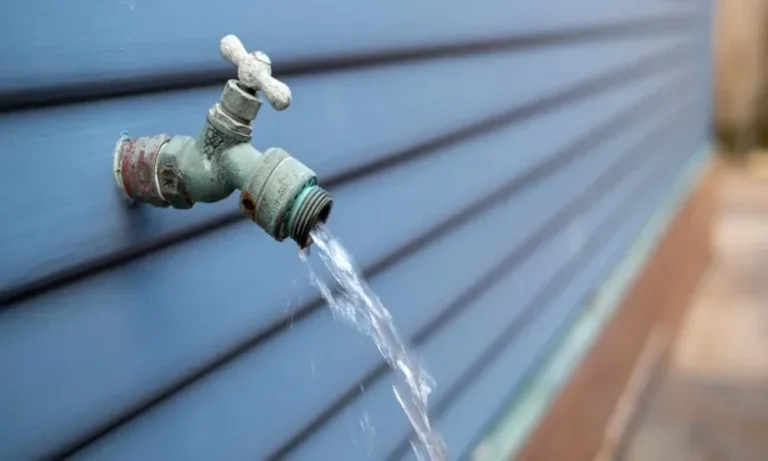
Central Texas does not get hard freezes every year, and that is exactly the problem. Because deep cold is rare, many homes here were built with little thought for frozen pipes. Outdoor spigots sit exposed, attic lines run without insulation, and plenty of homeowners have never even located their main shutoff valve. When a hard freeze finally rolls in, the surprise can cost thousands in water damage. The team at Plumb Intended has helped many homeowners deal with the aftermath, and the lesson is always the same: an hour of preparation beats a week of cleanup.
This guide is organized by timing, so you can act on the right steps at the right moment. Think of it as three phases: the calm before the freeze, the night of the freeze, and the morning after.
Phase One: The Calm Before the Freeze
The best time to prepare is on a mild, sunny afternoon, not the evening the forecast turns scary. Set aside an hour this week and work through the list below.
Find and test your main shutoff valve
If a pipe bursts, every minute counts. Walk around your home and locate the main water shutoff, which is often near the water heater, in a garage, or on an exterior wall. Turn it off and on once to make sure the handle moves freely. A valve that has not been touched in years can be stuck or corroded, and it is far better to learn that now. Make sure everyone in the household knows where it is.
Know which pipes are most at risk
The American Red Cross points to three trouble spots. The first is pipes exposed to severe cold, like outdoor hose bibs and sprinkler lines. The second is supply pipes in unheated interior spaces such as attics, garages, crawl spaces, and kitchen cabinets. The third is pipes that run along exterior walls with little or no insulation. Take a slow walk around your property and make a quick map of where each of these lives.
Protect the outdoors first
- Disconnect, drain, and store garden hoses.
- Close the interior valve that feeds each outdoor spigot, then open the outside spigot to let trapped water drain.
- Drain sprinkler and pool supply lines according to the installer’s directions.
- Cover exposed spigots with insulated covers, which are inexpensive and easy to install.
Wrap the vulnerable lines
Foam pipe sleeves cost very little and slide on in seconds. Insulate both hot and cold lines in garages, attics, and under cabinets. For stubborn spots, UL-listed heat tape or heat cable can add extra protection. Just follow the manufacturer’s directions closely, since improper use of electric heating products can create other hazards. The Red Cross lays out these steps and more in its guide to preventing and thawing frozen pipes.
Check the equipment people forget
Look over your water heater, since a unit in an unheated garage faces more stress in the cold. Confirm that any exposed pipes near it are wrapped, and inspect visible fittings for leaks that could worsen when temperatures drop. If your home has a gas water heater or gas appliances, remember that the smell of gas means you should leave the house and call your gas utility from outside.
Phase Two: The Night of the Freeze
When the forecast confirms a hard freeze, shift into protection mode.
- Open cabinet doors. Doors under kitchen and bathroom sinks, especially on exterior walls, let warmer room air reach the pipes. Move cleaning products out of reach of children first.
- Let faucets drip. The Red Cross advises letting cold water trickle from a faucet served by exposed pipes. Moving water is much harder to freeze, and a small waste of water is cheaper than a burst line.
- Hold the thermostat steady. Resist the urge to turn the heat down overnight. A consistent temperature day and night costs a little more but protects your plumbing.
- Keep garage doors closed if water lines run through the garage.
- Leaving town? The Red Cross recommends keeping the heat on and set no lower than 55 degrees Fahrenheit. You can also ask a trusted neighbor to check on the house.
Also keep a flashlight, a towel or two, and your plumber’s phone number within easy reach. If the power goes out, remember that your heating system may not run, which makes dripping faucets and open cabinets even more important.
Phase Three: The Morning After
After a freeze, the first signal of trouble is usually a faucet that gives you only a trickle. If that happens, treat it as a frozen pipe. According to the Red Cross, likely culprits are pipes against exterior walls or where the water line enters through the foundation.
How to thaw a pipe safely
- Leave the faucet open so water can flow as the ice melts.
- Apply gentle heat using a hair dryer, an electric heating pad wrapped around the pipe, a portable space heater kept well away from flammable items, or towels soaked in hot water.
- Never use a blowtorch, propane heater, charcoal stove, or any open flame.
- Keep applying heat until full water pressure returns, then check every other faucet, because if one pipe froze, others may have too.
What to do if a pipe bursts
If you see water spraying or pooling, shut off the main valve right away, switch off power to any affected area if you can do so safely, and move belongings out of harm’s way. Take photos for your insurance claim before cleanup begins, then call a licensed plumber.
Watch for slow leaks after the thaw
A pipe can crack while frozen yet only start leaking once the ice melts and pressure returns. Check ceilings, walls, and cabinets over the next few days for stains, bubbling paint, or the sound of running water. Your water meter is a handy detector: shut off everything that uses water, note the reading, and check it again after a couple of hours. If the number moved, a hidden leak may be at work.
When to Call a Professional
Some jobs are not worth the risk. Call a licensed plumber if you cannot find the frozen section, if it sits inside a wall or ceiling, if the pipe thaws but starts leaking, or if you simply cannot get water pressure back. A pro can also upgrade your home’s weak points before the next cold snap, from rerouting exposed lines to installing proper insulation and freeze protection around the water heater.
A Small Checklist to Keep on the Fridge
Print it, stick it up, and you will be ready long before the first frost warning appears.
Ready When the Cold Arrives
Freeze preparation is one of the cheapest, most effective home projects you can tackle all year. If you would like a professional to inspect your pipes, wrap problem areas, or check your water heater before the cold arrives, call Plumb Intended at (512) 630-9968 for a free estimate. The family-owned team in Georgetown serves Leander and communities across Central Texas, and they offer emergency service for the surprises that no checklist can prevent.