
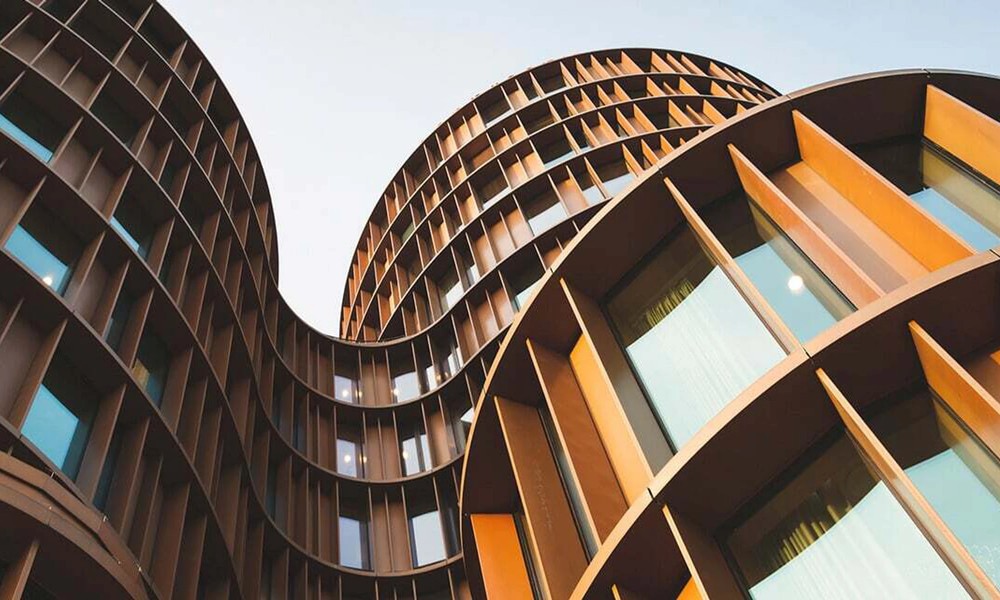
Towering factories, cutting-edge data centers, and sprawling logistics hubs do not just appear overnight. Behind every successful industrial building lies a blend of visionary thinking, rigorous planning, and technical mastery that defines the world of industrial architecture.
Foundations of Industrial Architecture
Historical Evolution and Key Influences
Industrial architecture traces its roots back to the Industrial Revolution, when the need for large-scale manufacturing space sparked radical changes in building design. Early mills and factories were utilitarian, prioritizing efficiency and productivity over form. As technology advanced, so did architectural solutions, steel frames and reinforced concrete replaced timber, and open-plan layouts emerged to accommodate complex machinery.
Influences in the past century have expanded to include environmental concerns, urban logistics, and digitization, making today’s industrial architecture a field where tradition meets innovation.
Defining Characteristics of Industrial Design
What sets industrial buildings apart? Scale and flexibility are key. High ceilings, wide spans, and robust floors support heavy equipment. Natural light from skylights and clerestory windows, along with exposed structural elements, often define the aesthetic. Unlike residential or commercial structures, industrial facilities must be adaptable to evolving processes and technologies.
The Role of Functionality vs. Aesthetics
Function always leads, yet aesthetics are increasingly valued. Clients and communities expect industrial buildings to reflect corporate identity and fit into their surroundings. The balance between operational efficiency and visual appeal challenges even the most experienced architects.
Planning and Conceptualization
Understanding Client Needs and Industrial Requirements
Every project begins with a deep dive into the client’s business, what products are made, stored, or distributed? How do workflows move through the space? This analysis informs every decision, from the building’s footprint to its mechanical systems.
Site Analysis and Environmental Considerations
No two sites are alike. Soil conditions, access to transportation, proximity to utilities, and neighborhood context can dictate design choices. Environmental assessments are crucial, especially for facilities handling hazardous materials or sensitive technologies.
Integrating Sustainability and Energy Efficiency
Modern industrial facilities are under pressure to reduce their environmental impact. Architects prioritize high-efficiency HVAC systems, LED lighting, and insulation. Green roofs, solar arrays, and water recycling systems are increasingly common, particularly in regions with strict environmental standards.
Zoning, Regulations, and Compliance Standards
Navigating zoning laws and building codes is non-negotiable. Fire safety, accessibility, emissions, and occupational health must be addressed early on to avoid costly redesigns. Cities like Montréal and Laval, for instance, have their own sets of rules governing site use and building heights.
Design Development and Technical Specifications
Structural Systems and Material Selection
Selecting the right structure, steel, concrete, or hybrid, depends on building size, span requirements, and budget. Heavy-duty flooring, corrosion-resistant finishes, and modular wall panels support flexibility and reduce downtime for future modifications.
Incorporating Advanced Technologies (Pharma, High-Tech, Data Centers)
Pharmaceutical factories, high-tech facilities, and data centers demand specialized features: clean rooms, climate control, and electromagnetic shielding. Coordination with engineers is essential to integrate these systems without compromising space or budget.
Workflow Optimization in Factory and Distribution Center Layouts
Streamlined material flow can make or break a project’s success. Architect teams use process mapping to design spaces that minimize travel distance, bottlenecks, and manual handling. Advanced software tools help simulate real-world operations before ground is even broken.
Safety, Security, and Accessibility Features
Safety regulations require robust fire suppression systems, clear evacuation routes, and restricted access to high-risk zones. Accessibility, too, extends beyond legal compliance, it ensures that employees and visitors can navigate spaces safely and comfortably.
Construction and Project Management
Coordinating Multi-Disciplinary Teams
Industrial projects often bring together architects, engineers, contractors, and specialized consultants. Effective communication and collaboration are critical to keep everyone aligned with the project’s vision and constraints.
Managing Timelines, Budgets, and Quality Control
Delays and cost overruns can cripple industrial projects. Detailed scheduling, transparent budgeting, and rigorous quality checks help mitigate these risks. Successful firms monitor progress in real-time to catch issues early.
Innovations in Construction Techniques for Industrial Buildings
Prefabrication, modular construction, and automated site monitoring have revolutionized how quickly and efficiently industrial buildings rise. These methods also support better quality and reduce waste.
Case Studies: Successful Commercial and Industrial Projects
Across Québec, projects like distribution centers, pharma plants, and data centers illustrate how innovative design solutions meet complex requirements. Firms such as architecte industriel Stendel + Reich routinely deliver spaces that support productivity while maintaining architectural integrity.
Post-Completion Considerations
Facility Maintenance and Lifecycle Management
The work does not end at ribbon-cutting. Planned maintenance schedules, predictive analytics, and easy-access infrastructure help extend the building’s useful life and control costs.
Adaptability for Future Industrial Needs
Markets shift, and so do industrial needs. Flexible layouts and scalable systems mean facilities can grow or pivot with minimal disruption.
Evaluating Performance and Client Satisfaction
Building performance is measured not just in energy savings, but in uptime, productivity, and the satisfaction of those who use the space every day. Post-occupancy evaluations offer critical feedback for future projects.
The Future of Industrial Architecture
Emerging Trends in Industrial Building Design
Trends on the horizon include urban micro-factories, hybrid office-industrial spaces, and greater use of bio-based materials. Designs are becoming more people-centric, focusing on wellness and comfort.
Impact of Digitalization and Smart Infrastructure
Smart sensors, Internet of Things (IoT) platforms, and AI-driven management promise higher efficiency and more responsive environments. Digital twins, virtual models of buildings, allow for constant monitoring and optimization.
Sustainable and Resilient Industrial Communities
Resilience and sustainability go hand in hand. New projects seek to not only reduce their environmental footprint but to support local economies and withstand unforeseen challenges, ensuring that industrial architecture remains a foundation of progress for generations to come.

Comments are closed.