
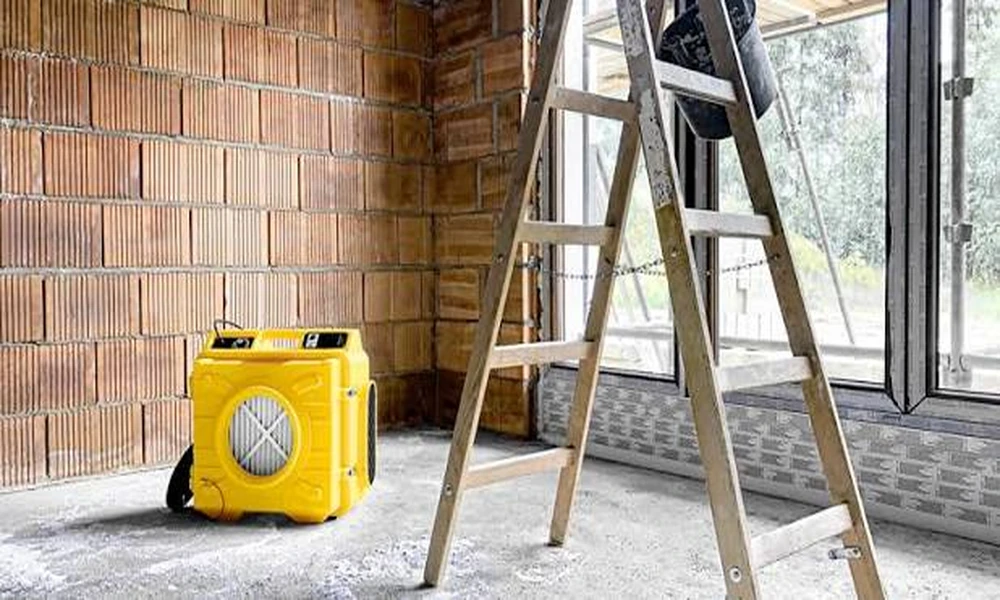
An air-scrubber quote should identify the supplied filtration and explain who is responsible for consumables during and after the hire. A daily machine price and the word HEPA leave important practical questions unanswered. Homeowners arranging equipment for a professionally planned project can use those questions to clarify the offer without attempting to design a filtration system themselves.
Start with the particles the work may generate
Explain the intended application before comparing prices. Routine renovation dust, an assessed restoration project and a general indoor-air concern are not interchangeable descriptions. Tell the supplier what the responsible contractor has specified and disclose any known contamination concerns. If the material or hazard is uncertain, obtain appropriate assessment first. A rental booking should follow that understanding rather than become a shortcut around it.
The EPA’s guidance on air cleaners distinguishes air cleaning from addressing pollution sources and describes filtration as a supplementary measure. It also makes clear that air cleaners have limitations. This matters when reading a quote: a filter label does not establish that every pollutant will be removed or that the room is safe for every occupant and activity.
Ask the person planning the work to state the equipment’s particular role. It may be one component of controls selected for that project. The quote should be understandable in that context. Avoid comparing machines by an isolated marketing term while the actual application remains vague. A clear account of the job allows a supplier to raise a mismatch before delivery, when it is easier to revise the order.
Get the supplied configuration written down
For a Toronto rental enquiry, the air-cleaning equipment at Drying Equipment is one available offering to review. Confirm the current model with the provider and ask which filters accompany that exact unit. Product names and rental fleets can change; an old photograph or saved quotation may not describe the equipment being supplied for the new booking.
The written description need not contain a long engineering lesson. It should identify the machine, its supplied filtration and any additional items the plan requires. If a quoted accessory is optional, establish whether the responsible contractor considers it necessary for this application. If the configuration differs from the original request, ask the contractor and supplier to resolve the difference before treating the alternatives as equivalent.
Specifications should come from the documentation for the actual unit and filter. Avoid inferring performance from the size of the housing, the sound of the fan or a familiar brand. A homeowner does not need to invent a capacity calculation to request clear information. The useful purchasing question is whether the supplied equipment matches the assessed application and who has accepted responsibility for that match.
Also check whether the quote describes a machine ready for the agreed use or an item that needs additional consumables before operation. This is a practical completeness question. It can affect delivery coordination and the contractor’s schedule even when the headline rental rate looks attractive. Any uncertainty should be resolved in the order record, where the person receiving the equipment can see the answer.
Put responsibility beside each consumable
Ask who handles filter-related decisions during the hire. The operator should follow the supplied instructions and the controls appropriate to the work. Do not assume a homeowner can inspect, replace or dispose of filters simply because the machine is located in their house. The contents and application matter, and any handling must remain within the relevant instructions and professional plan.
The quote can distinguish charges from duties. A customer might pay for a consumable while a competent contractor performs the associated work. Conversely, a fee marked “included” may describe a supplied item without including an ongoing maintenance service. Put those two ideas in separate sentences when seeking clarification. That avoids mistaking a price inclusion for an agreement about who will carry out a task.
Establish the communication route if the machine indicates a problem or the operator suspects performance has changed. The person responsible should know whether to contact the rental provider, the project lead or both. They should not have to search an old invoice for a phone number while other work continues. Keep the relevant instructions available at the property and make sure any replacement operator receives the same information.
Read the return conditions before accepting
At the end of a rental, equipment condition and consumable charges can become points of confusion if they were never discussed. Ask how the provider wants the machine returned for the declared application and what conditions could create additional charges. Follow the provider’s directions and the project’s hazard controls. Avoid cleaning or dismantling the machine in an improvised attempt to make the return look tidy.
Record the items received at handoff and retain the supplier’s written account of the return arrangements. Include any agreed substitution, since a different supplied filter or accessory may otherwise be mistaken for a missing item later. If a contractor collects or returns the machine on the homeowner’s behalf, make sure the paperwork goes to the account holder as well. A simple receipt closes the equipment transaction; it should not be described as certification that the building’s air quality or the underlying work has been independently verified.
When comparing two quotes, compare the complete agreed scope: the actual unit, included consumables, relevant service arrangements and how unresolved issues are handled. It is reasonable for different offers to allocate those items differently. What matters is knowing the allocation before work starts. An unanswered question about filters is a reason to clarify the quotation, with the responsible professionals involved, before anyone improvises an answer on site.

Comments are closed.