Category

Home Maintenance

Category

An air-scrubber quote should identify the supplied filtration and explain who is responsible for consumables during and after the hire. A daily machine price and the word HEPA leave important practical questions unanswered. Homeowners arranging equipment for a professionally planned project can use those questions to clarify the offer without attempting to design a filtration system themselves.

Start with the particles the work may generate

Explain the intended application before comparing prices. Routine renovation dust, an assessed restoration project and a general indoor-air concern are not interchangeable descriptions. Tell the supplier what the responsible contractor has specified and disclose any known contamination concerns. If the material or hazard is uncertain, obtain appropriate assessment first. A rental booking should follow that understanding rather than become a shortcut around it.

The EPA’s guidance on air cleaners distinguishes air cleaning from addressing pollution sources and describes filtration as a supplementary measure. It also makes clear that air cleaners have limitations. This matters when reading a quote: a filter label does not establish that every pollutant will be removed or that the room is safe for every occupant and activity.

Ask the person planning the work to state the equipment’s particular role. It may be one component of controls selected for that project. The quote should be understandable in that context. Avoid comparing machines by an isolated marketing term while the actual application remains vague. A clear account of the job allows a supplier to raise a mismatch before delivery, when it is easier to revise the order.

Get the supplied configuration written down

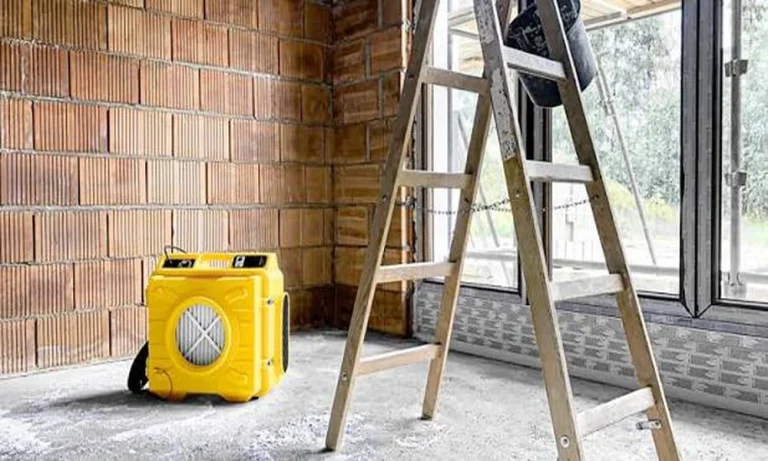
For a Toronto rental enquiry, the air-cleaning equipment at Drying Equipment is one available offering to review. Confirm the current model with the provider and ask which filters accompany that exact unit. Product names and rental fleets can change; an old photograph or saved quotation may not describe the equipment being supplied for the new booking.

The written description need not contain a long engineering lesson. It should identify the machine, its supplied filtration and any additional items the plan requires. If a quoted accessory is optional, establish whether the responsible contractor considers it necessary for this application. If the configuration differs from the original request, ask the contractor and supplier to resolve the difference before treating the alternatives as equivalent.

Specifications should come from the documentation for the actual unit and filter. Avoid inferring performance from the size of the housing, the sound of the fan or a familiar brand. A homeowner does not need to invent a capacity calculation to request clear information. The useful purchasing question is whether the supplied equipment matches the assessed application and who has accepted responsibility for that match.

Also check whether the quote describes a machine ready for the agreed use or an item that needs additional consumables before operation. This is a practical completeness question. It can affect delivery coordination and the contractor’s schedule even when the headline rental rate looks attractive. Any uncertainty should be resolved in the order record, where the person receiving the equipment can see the answer.

Put responsibility beside each consumable

Ask who handles filter-related decisions during the hire. The operator should follow the supplied instructions and the controls appropriate to the work. Do not assume a homeowner can inspect, replace or dispose of filters simply because the machine is located in their house. The contents and application matter, and any handling must remain within the relevant instructions and professional plan.

The quote can distinguish charges from duties. A customer might pay for a consumable while a competent contractor performs the associated work. Conversely, a fee marked “included” may describe a supplied item without including an ongoing maintenance service. Put those two ideas in separate sentences when seeking clarification. That avoids mistaking a price inclusion for an agreement about who will carry out a task.

Establish the communication route if the machine indicates a problem or the operator suspects performance has changed. The person responsible should know whether to contact the rental provider, the project lead or both. They should not have to search an old invoice for a phone number while other work continues. Keep the relevant instructions available at the property and make sure any replacement operator receives the same information.

Read the return conditions before accepting

At the end of a rental, equipment condition and consumable charges can become points of confusion if they were never discussed. Ask how the provider wants the machine returned for the declared application and what conditions could create additional charges. Follow the provider’s directions and the project’s hazard controls. Avoid cleaning or dismantling the machine in an improvised attempt to make the return look tidy.

Record the items received at handoff and retain the supplier’s written account of the return arrangements. Include any agreed substitution, since a different supplied filter or accessory may otherwise be mistaken for a missing item later. If a contractor collects or returns the machine on the homeowner’s behalf, make sure the paperwork goes to the account holder as well. A simple receipt closes the equipment transaction; it should not be described as certification that the building’s air quality or the underlying work has been independently verified.

When comparing two quotes, compare the complete agreed scope: the actual unit, included consumables, relevant service arrangements and how unresolved issues are handled. It is reasonable for different offers to allocate those items differently. What matters is knowing the allocation before work starts. An unanswered question about filters is a reason to clarify the quotation, with the responsible professionals involved, before anyone improvises an answer on site.

Key Takeaways

  • Most residential air conditioners in Singapore benefit from servicing every 3 to 6 months.
  • Regular maintenance improves cooling performance, energy efficiency, and indoor air quality.
  • Usage frequency, household conditions, and system type affect servicing schedules.
  • Professional servicing contracts help prevent costly breakdowns and extend equipment lifespan.

Introduction

Singapore’s hot and humid weather means air conditioners rarely get a day off. Whether it’s keeping a flat comfortable after work or maintaining a cool office throughout the day, air conditioning has become part of daily life. Yet many property owners only think about maintenance when something goes wrong.

The reality is that regular servicing can prevent many common aircon issues before they become expensive repairs. A well-maintained unit cools more effectively, uses less electricity, and lasts longer. So, how often should a split-type aircon service be scheduled? The answer depends on several factors, including usage patterns, environmental conditions, and the type of maintenance plan in place.

How Often Is Aircon Servicing Really Needed?

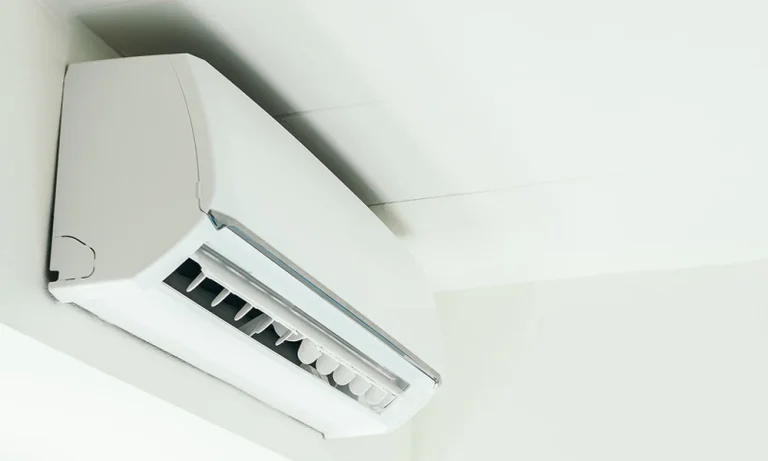
For most homes in Singapore, experts recommend scheduling a split-type aircon service every three to six months. Homes that use air conditioning daily, particularly for long hours, may benefit from quarterly servicing. Properties with lighter usage may be comfortable with servicing twice a year.

Think of an air conditioner like a car. Even when it appears to be running perfectly, components gradually collect dust and experience wear. Air filters become clogged, evaporator coils accumulate dirt, and drainage systems can become blocked. Left unattended, these issues slowly reduce performance.

Regular servicing typically includes cleaning air filters, checking refrigerant levels, inspecting drainage systems, cleaning coils and blower components, and testing overall system performance. These routine checks help identify small concerns before they develop into major faults.

Signs Your Aircon Might Need Attention Sooner

Sometimes, waiting for the next scheduled service isn’t ideal. Air conditioners often provide subtle warning signs when maintenance is overdue.

If cooling becomes inconsistent, energy bills suddenly rise, or unusual sounds start coming from the unit, it’s worth arranging an inspection. A musty smell can also indicate mould growth inside the system, which affects indoor air quality.

This is particularly important in Singapore, where humidity creates an environment that encourages mould and bacterial growth. Clean air isn’t just about comfort; it contributes to a healthier indoor environment for families and employees alike.

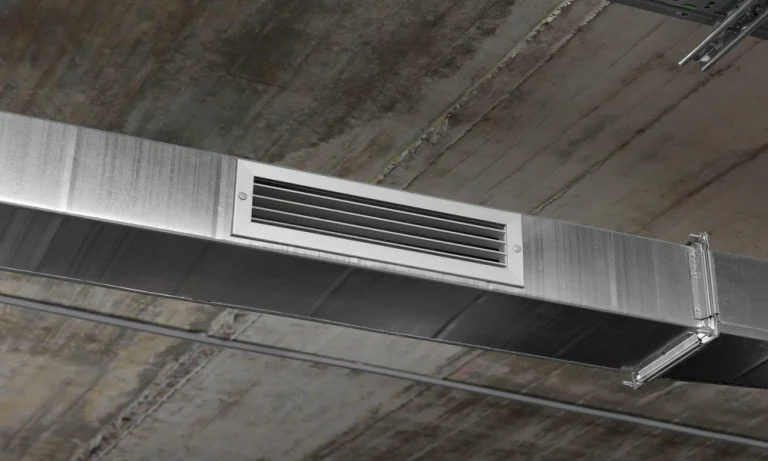
For larger properties using a ducted aircon service arrangement, maintenance becomes even more important. Ductwork can collect dust over time, affecting airflow and reducing efficiency across the entire property.

Why Servicing Contracts Make Sense

Many homeowners intend to schedule maintenance regularly but life gets busy. Before long, a year passes without a service appointment.

That’s one reason professional servicing contracts have become increasingly popular. Scheduled maintenance plans ensure servicing happens at the recommended intervals without the need to remember booking dates.

A comprehensive servicing contract offers consistent maintenance throughout the year, reduced risk of unexpected breakdowns, improved energy efficiency, longer equipment lifespan, and professional monitoring of system condition.

For businesses and larger residential properties, a ducted aircon service contract can be particularly valuable because these systems often support multiple rooms and require more extensive maintenance procedures.

Regular inspections also allow technicians to identify wear and tear early, helping property owners avoid disruptive and costly emergency repairs. Airple’s general servicing contracts are designed to provide ongoing care that keeps systems operating at peak performance while reducing the likelihood of major repair work.

Choosing the Right Service Schedule for Your Property

There’s no single maintenance schedule that suits every property. A family that runs air conditioning throughout the day will have different servicing needs compared to someone who only uses it during evenings.

As a general guide, heavy daily use may require servicing every three months, moderate use every four to six months, and light use every six months. Properties with pets, higher occupancy levels, or locations exposed to more dust may also require more frequent servicing.

Professional technicians can assess usage patterns and recommend an appropriate schedule. Whether it’s a standard split-type aircon service for a residential unit or a specialised ducted aircon service programme for a larger property, regular maintenance remains one of the most effective ways to protect the investment.

Conclusion

Regular aircon servicing isn’t merely about fixing problems. It’s about preventing them. In Singapore’s demanding climate, routine maintenance helps air conditioning systems perform efficiently, maintain healthy indoor air quality, and operate reliably throughout the year.

A structured servicing schedule, supported by a professional maintenance contract, can save money, reduce stress, and extend the lifespan of the system. Whether maintaining a residential unit or arranging a ducted aircon service for a larger property, consistency is key.

Contact Airple today to arrange professional aircon servicing and find the right maintenance solution for your property.