
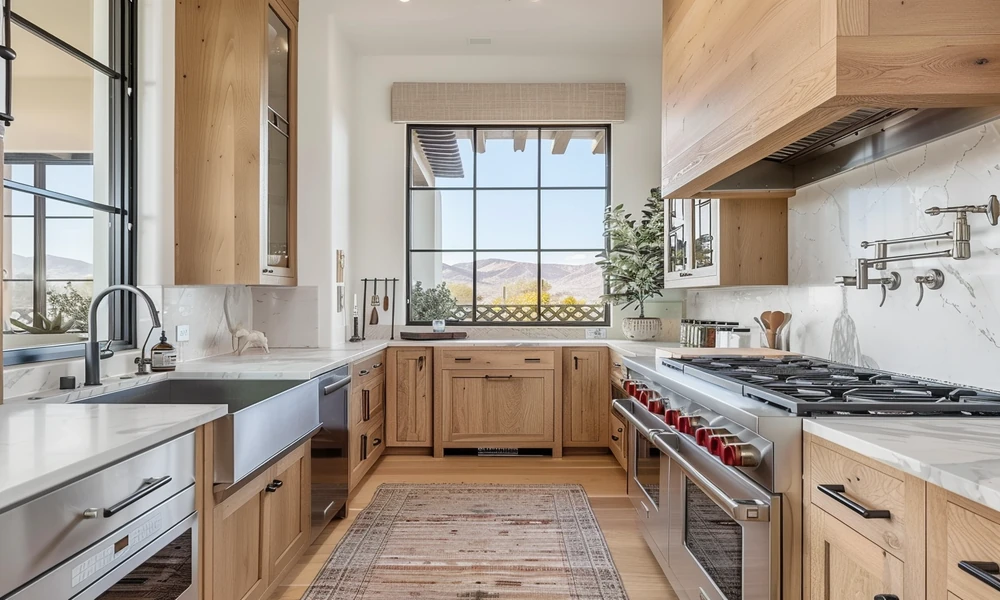
A beautiful kitchen doesn’t always need a huge budget or a famous designer. Sometimes, the smallest details make the biggest difference. That’s exactly why I love the look of a white oak kitchen cabinet.
It brings natural warmth, soft wood grain, and a timeless feel that works in almost any home. But here’s the thing: not all white oak cabinets look expensive. Some feel custom-made, while others look like basic store-bought cabinets.
The difference often comes down to the finish, door style, hardware, and a few design choices that people tend to overlook. If you’re planning a kitchen update, I’ll show you the details that can turn simple white oak cabinets into something truly special.
Why White Oak Looks Expensive
White oak has a natural beauty that doesn’t need much decoration. Its grain gives each cabinet door a unique pattern, while its light brown and golden tones make the kitchen feel warm.
One thing I like about white oak is that it doesn’t go out of style quickly. Painted cabinets can feel trendy, but natural wood has a lasting appeal.
A well-designed white oak kitchen cabinet can fit several styles, including modern, farmhouse, Scandinavian, and traditional kitchens.
The material also offers practical benefits:
- Strong wood: White oak is a dense hardwood that holds up well to daily kitchen use.
- Natural texture: Its visible grain adds depth without making the kitchen feel busy.
- Flexible finishes: It looks beautiful with natural, light, medium, and darker stains.
- Timeless color: Its warm, neutral tones pair well with many countertop materials.
- Long-term value: Quality white oak cabinets can be refinished or repaired rather than replaced.
Choose the Right Grain Pattern
Wood grain is one of the first things I notice when looking at expensive kitchens.
Two white oak kitchens can use the same wood species and still look completely different because of how the boards were cut.
Rift-Sawn White Oak Cabinets
Rift-sawn white oak is a popular choice for modern custom kitchens. Its grain tends to run in long, straight lines. This creates a clean and calm look, especially on flat cabinet doors.
Rift-sawn material often costs more because producing that grain pattern creates more waste. For a sleek kitchen with simple lines, it’s one of my favorite options.
Quarter-Sawn White Oak Cabinets
Quarter-sawn white oak often features straighter grain along with small decorative markings called ray flecks.
These natural details add character without looking too busy. It works beautifully in Craftsman-inspired kitchens and spaces with traditional woodwork.
Plain-Sawn White Oak Cabinets
Plain-sawn oak usually has a more varied grain pattern, including curved shapes. It’s often a more affordable option and works well in relaxed, rustic, or traditional kitchens.
For a custom appearance, ask your cabinet maker to match the grain across nearby doors and drawers. That small detail can make a big visual difference.
Pick a Natural Wood Finish
The finish can completely change how a white oak kitchen cabinet looks.
A heavy orange stain may make the wood feel dated. A pale, natural finish can create a fresh and modern appearance.
I personally prefer finishes that keep the original wood color visible.
Some good choices include:
- Clear matte finish: Keeps the wood looking close to its natural state.
- Natural oak stain: Adds gentle warmth while showing the grain.
- Light beige stain: Creates a soft, neutral appearance.
- Smoked oak finish: Adds deeper color for a more dramatic kitchen.
- Whitewashed finish: Lightens the wood for a relaxed, coastal feel.
One detail people often miss is how the finish changes over time.
Certain coatings can yellow as they age. If you want to maintain a pale appearance, ask about a durable, non-yellowing water-based cabinet finish.
Always test the finish on an actual white oak sample before choosing it. A stain can look very different under kitchen lighting.
Select a Simple Door Style
Cabinet doors occupy a large portion of the kitchen’s visual space. Their shape has a major effect on the finished design. For white oak, I believe simpler doors often create the most expensive look.
Flat-panel, or slab, doors have no raised frame or decorative trim. They let the wood grain become the main feature.
This style works especially well in modern kitchens with clean lines and hidden storage.
Slim Shaker doors use a narrow frame around a flat center panel.
They offer a nice balance between modern and traditional design. The thin frame looks more refined than a bulky, heavily detailed door. Inset doors sit inside the cabinet frame rather than covering it.
The even gaps and precise fit give them a furniture-like appearance. This style often costs more because it requires careful measuring and skilled installation.
For a high-end design, I would choose the door style based on the rest of the home rather than following a trend.
Focus on Cabinet Hardware
Hardware may seem like a tiny part of your kitchen, but it can change the entire look.
The wrong handles can make beautiful cabinets feel cheap. The right ones can give simple doors a polished finish.
White oak pairs particularly well with these hardware options:
| Hardware finish | Best design style |
| Brushed brass | Warm, elegant kitchens |
| Matte black | Modern and industrial |
| Brushed nickel | Clean, timeless spaces |
| Champagne bronze | Soft, luxurious interiors |
| Integrated wood pulls | Minimalist kitchens |
For an expensive-looking kitchen, consistency matters more than choosing flashy hardware.
Try using the same finish throughout the cabinetry. Mixing several metals can work, but it needs a clear design plan.
I also recommend avoiding oversized handles on narrow cabinet doors. Good proportions help everything feel intentional.
Create a Built-In Appearance
One major difference between standard and custom cabinetry is how well it fits the room. Custom kitchens often use every available inch.
Instead of leaving a large empty space above upper cabinets, consider extending them to the ceiling.
This creates a taller, more finished appearance and adds useful storage.
Other details worth considering include:
- Matching side panels that cover exposed cabinet ends.
- Filler strips that close awkward gaps beside walls.
- A finished toe-kick that matches the cabinetry.
- Cabinet panels that blend the refrigerator into the kitchen.
- Carefully aligned upper and lower cabinet edges.
These details may not stand out individually, but together they create a kitchen that feels professionally designed.
Pair With Beautiful Countertops
Your countertops should support the natural beauty of the wood, not compete with it. When designing around a white oak kitchen cabinet, I usually prefer lighter countertop colors.
They create a balanced appearance and allow the grain to remain visible.
- Clean, bright, and easy to coordinate with warm oak.
- Soft veining adds a refined, classic appearance.
- Creates a warm, earthy palette with gentle contrast.
Offers dramatic contrast without overpowering the oak.
For a luxury look, consider using the same countertop material for the backsplash. A continuous stone surface can make the kitchen feel larger and more cohesive.
Pay Attention to Lighting
Lighting plays a bigger role in cabinet design than many homeowners realize. White oak can appear pale beige, honey-colored, or even slightly gray depending on the lighting. I suggest testing cabinet samples in both natural daylight and artificial light.
For a welcoming kitchen, warm-white lighting around 2700K to 3000K often works beautifully. Under-cabinet LED strips can highlight your backsplash and make the countertops easier to use. Pendant lights above the island can also create a focal point.
Just avoid placing too many decorative fixtures in one area. A few well-chosen lights often look better than a crowded ceiling.
Mix White Oak With Color
You don’t need to cover every cabinet in white oak to enjoy its beauty. In fact, mixing materials can make the design feel more personal.
Some of my favorite combinations are white oak lower cabinets with creamy white uppers, a white oak island with painted perimeter cabinets, or natural oak cabinetry beside a soft sage-green accent.
For smaller kitchens, this approach can prevent too much wood grain from making the room feel crowded.
Try repeating the same colors in a few places, such as open shelving, bar stools, or decorative trim. That repetition helps the entire kitchen feel connected.
Don’t Ignore Interior Details
A custom kitchen should look good when the doors are open, too. Interior details can improve both daily use and the overall quality of your cabinetry.
If your budget allows, consider solid wood dovetail drawers, full-extension drawer slides, soft-close hinges, and adjustable shelves. Built-in organizers for spices, utensils, and trash bins are also useful.
These features may not change how your kitchen looks in photographs, but they can make it much more enjoyable to use every day.
Avoid These Common Design Mistakes
Even expensive wood cabinets can disappoint when a few basic details are overlooked.
Here are mistakes I would watch for:
- Choosing a finish from online photos: Always compare real samples in your kitchen.
- Ignoring wood grain direction: Keep grain direction consistent unless a different pattern is part of the design.
- Using too many finishes: Limit competing colors and textures.
- Overlooking exposed edges: Ask how cabinet edges, panels, and veneer are finished.
- Hiring without checking past work: Look closely at door alignment, corner joints, and installation quality.
Also, remember that not every cabinet sold as white oak is made entirely from solid white oak.
Many quality cabinets use white oak veneer over plywood or engineered panels. This can provide a stable, attractive surface at a lower cost.
Ask about the door construction, cabinet box material, and finish before ordering.
Get the Look for Less
Creating a high-end kitchen doesn’t mean every feature needs to be custom-built. If you’re working with a limited budget, focus on the details people notice first.
I would spend more on visible cabinet fronts, a quality finish, and precise installation.
You can save by using standard cabinet box sizes, choosing affordable interior organizers, and keeping the layout simple.
For example, semi-custom cabinets with rift-cut white oak veneer doors can offer a polished look without the cost of fully custom solid wood cabinetry. The important thing is making sure every piece fits well and feels consistent.
Keep White Oak Cabinets Beautiful
White oak is durable, but kitchen cabinets still need regular care. Wipe spills quickly, especially around sinks and dishwashers. Use a soft cloth with mild soap and water for routine cleaning, and dry the surface afterward.
Avoid harsh cleaning chemicals or rough scrubbing pads that could damage the finish. I also recommend using a good kitchen exhaust fan to reduce grease and moisture buildup. With proper care, well-made white oak cabinets can remain attractive for many years.
The Bottom Line
A beautiful white oak kitchen cabinet isn’t just about choosing expensive wood. It’s about how all the little details work together.
The grain direction, door style, finish, hardware, lighting, and installation each play a part in creating a high-end custom look.
My advice is simple: choose fewer design features, but make each one count. A natural finish, clean cabinet lines, matching hardware, and neatly finished edges can make a basic kitchen feel much more refined.
You don’t need to copy a luxury showroom to get a kitchen you love. Focus on quality, balance, and practical design choices that fit your home.

Comments are closed.