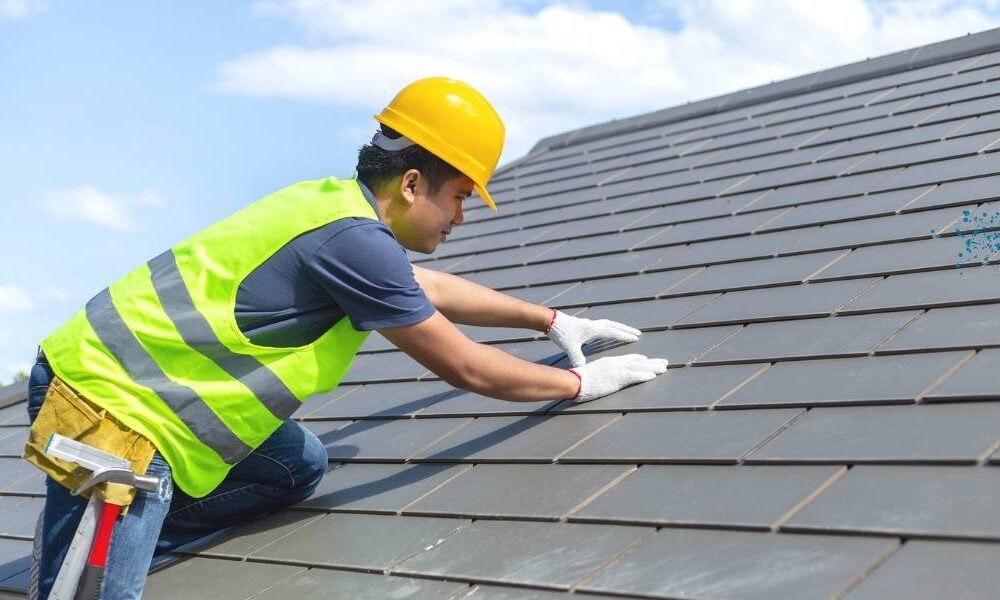
Your home’s roof is more than just a cover; it’s your primary defense against the elements, a critical component of your home’s energy efficiency, and a significant contributor to its overall value. But how can you tell if your roof is truly prepared to stand strong for the next quarter-century? This blog post will guide you through assessing your roof’s current condition, identifying potential issues, and understanding the steps you can take to ensure its long-term readiness.
The Importance of a Long-Lasting Roof
A durable roof offers far more than just shelter. It’s an investment that pays dividends in various ways:
- Protection: A robust roof shields your home’s interior and structure from rain, snow, harsh winds, and relentless sun, preventing costly water damage and deterioration.
- Energy Efficiency: A well-insulated and properly installed roof helps regulate your home’s indoor temperature, significantly impacting your heating and cooling costs throughout the year.
- Property Value: A well-maintained and aesthetically pleasing roof enhances your home’s curb appeal and can significantly boost its market value, making it a more attractive asset.
- Safety: By preventing leaks, structural damage, and the growth of mold or mildew, a healthy roof contributes directly to the safety and well-being of your household.
DIY Roof Inspection: What to Look For
Before calling in the professionals, a preliminary DIY inspection can give you a good sense of your roof’s condition. Remember to prioritize safety and only inspect from the ground or a secure ladder if you’re comfortable.
From the Ground Up:
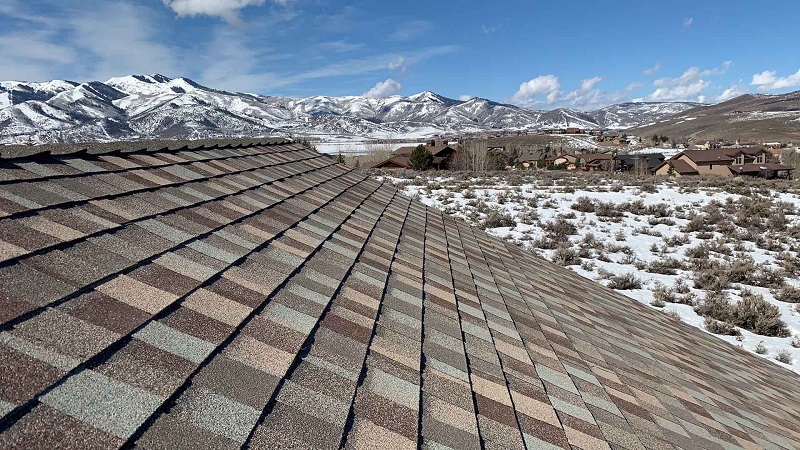
- Shingle Condition: Look for shingles that are missing, cracked, curled at the edges, or buckling. These are clear indicators of wear and tear.
- Granule Loss: Notice any “bald spots” where the protective granules have worn off, exposing the asphalt? This reduces the shingle’s effectiveness and lifespan.
- Roofline: Check for any visible sagging or unevenness in the roofline, which could signal structural issues underneath.
- Flashing: Examine the metal flashing around chimneys, vents, skylights, and valleys for damage, rust, or improper sealing. This is a common area for leaks.
- Gutters: Ensure your gutters are free of clogs and are properly attached. Excessive shingle granules in the gutters can also indicate roof deterioration.
In the Attic (If Safe to Access):
- Water Stains/Leaks: Look for any water stains, streaks, or active drips on the underside of the roof deck or rafters.
- Mold or Mildew: The presence of mold or mildew can indicate moisture intrusion and poor ventilation.
- Daylight: If you can see daylight peeking through the roof boards, it’s a definite sign of a breach.
- Ventilation: Assess if your attic has adequate ventilation. Poor airflow can trap heat and moisture, accelerating roof deterioration.
Common Signs Your Roof Might Not Make It 25 Years
Even if your roof looks okay from a distance, certain indicators suggest it might not have another two and a half decades in it:
- Age: Every roofing material has a typical lifespan. Asphalt shingles generally last 20-30 years, while a quality metal roofing system can last 50 years or more. If your roof is approaching or exceeding its expected lifespan, it’s time for a closer look.
- Frequent Repairs: If you find yourself constantly patching leaks, replacing individual shingles, or addressing recurring issues, your roof is likely nearing the end of its useful life.
- High Energy Bills: An inefficient roof that allows heat to escape in winter and enter in summer can lead to unexpectedly high energy consumption.
- Neighborhood Trends: Take a look around. If many of your neighbors with homes built around the same time are replacing their roofs, it could be a sign that yours is also due.
- Visible Damage: Beyond the subtle signs, severe storm damage, large missing sections, or significant structural issues visible from the ground are clear indicators that your roof’s long-term viability is compromised.
Extending Your Roof’s Lifespan: Maintenance Tips
Proactive maintenance can significantly extend your roof’s life and defer the need for a full replacement.
- Regular Cleaning: Keep your roof clear of debris, leaves, and moss. These can trap moisture and accelerate decay.
- Gutter Maintenance: Regularly clean your gutters and downspouts to ensure proper water drainage away from your roof and foundation.
- Trim Overhanging Branches: Prune any tree branches that hang over your roof to prevent damage from falling limbs and to reduce debris accumulation.
- Prompt Leak Repair: Address even the smallest leaks immediately. What starts as a minor drip can quickly escalate into significant structural damage and mold growth.
- Professional Inspections: Schedule annual or bi-annual inspections by a qualified roofing professional. They can spot subtle issues you might miss and recommend timely interventions.
When to Call a Professional
While DIY inspections are helpful, some situations absolutely warrant professional expertise:
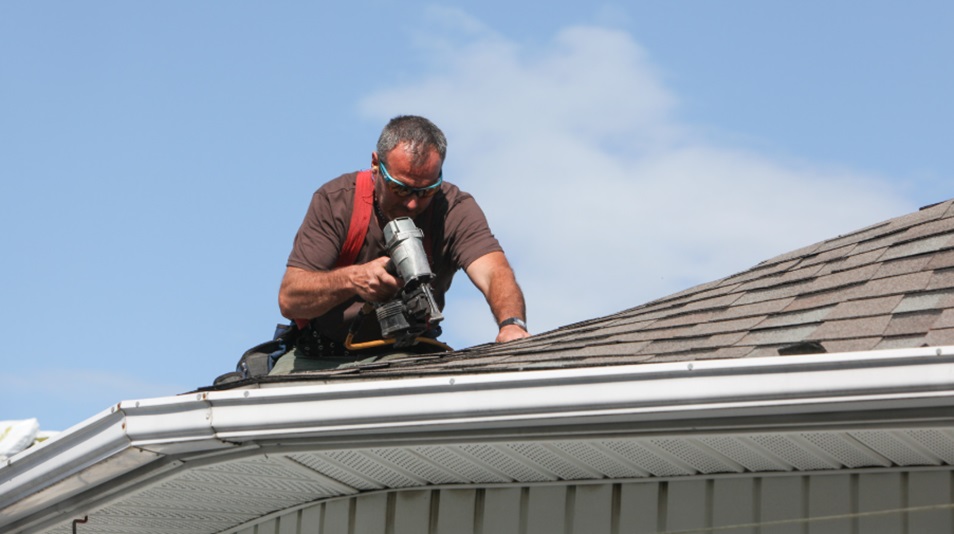
- Safety Concerns: Roofing work can be dangerous. Never attempt repairs that put your safety at risk. Professionals have the right equipment and training.
- Undetected Issues: Roofing experts possess specialized tools and knowledge to identify hidden problems, such as subtle moisture intrusion or underlying structural weaknesses.
- Major Damage: For significant issues like severe storm damage, extensive leaks, or concerns about your roof’s structural integrity, professional attention is crucial.
- Warranty Issues: Many roofing material warranties require professional installation and repair to remain valid.
- Replacement Assessment: When you suspect your roof is nearing the end, a professional can provide an honest assessment of its remaining life and discuss the best replacement options, including the benefits of a durable metal roofing system.
Future-Proofing Your Roof: Materials and Technologies
If a replacement is on the horizon, consider options that will truly future-proof your home for the next 25 years and beyond.
- Durable Materials: While asphalt shingles are common, explore materials known for their extended longevity. Metal roofing, for example, is incredibly durable, fire-resistant, and can last 50-70 years. Other options include synthetic shingles or even integrated solar tiles.
- Enhanced Ventilation: Improving attic airflow with proper ridge vents, soffit vents, and exhaust fans prevents heat and moisture buildup, which can significantly extend the life of your roofing materials, whether it’s traditional shingles or a modern metal roofing system.
- Underlayment and Flashing: The components beneath the visible surface are just as important. High-quality synthetic underlayment and meticulously installed flashing provide an extra layer of protection against water intrusion.
- Storm-Resistant Options: If you live in an area prone to severe weather, investigate materials and installation techniques designed to withstand high winds, hail, and heavy snow loads. Many metal roofing products are specifically engineered for superior storm resistance.
Ensuring your roof is ready for the next 25 years requires a combination of vigilance, proactive maintenance, and knowing when to seek professional help. By regularly inspecting your roof, addressing minor issues promptly, and considering durable, long-lasting materials like metal roofing for future replacements, you can protect your home, save on energy costs, and enjoy the peace of mind that comes with a robust and reliable roof over your head. Don’t wait for a leak to tell you it’s time – take action today to secure your home’s future.