
Tag

quick

Browsing

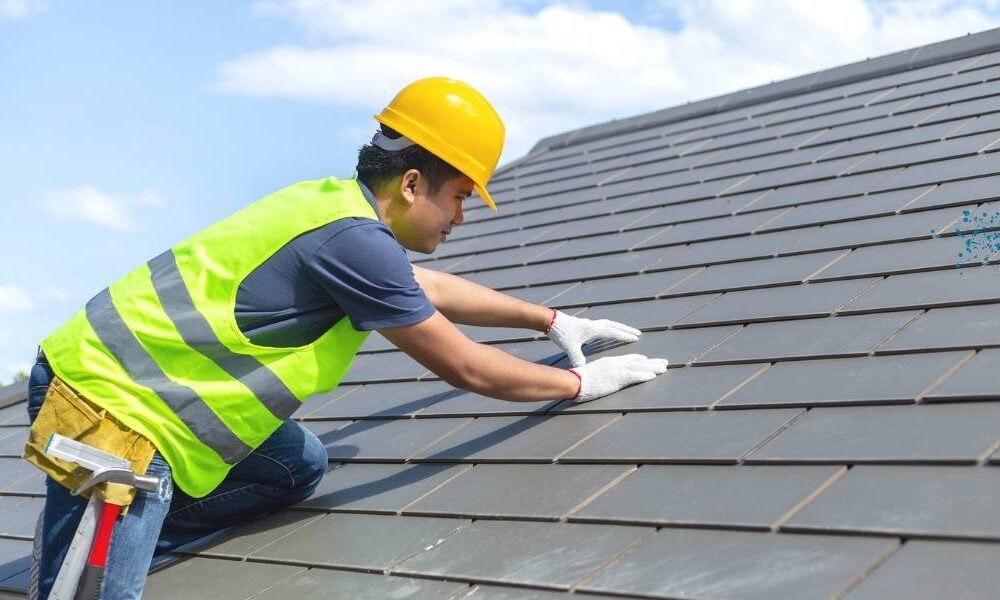
Your home’s roof is more than just a cover; it’s your primary defense against the elements, a critical component of your home’s energy efficiency, and a significant contributor to its overall value. But how can you tell if your roof is truly prepared to stand strong for the next quarter-century? This blog post will guide you through assessing your roof’s current condition, identifying potential issues, and understanding the steps you can take to ensure its long-term readiness.

The Importance of a Long-Lasting Roof

A durable roof offers far more than just shelter. It’s an investment that pays dividends in various ways:

  • Protection: A robust roof shields your home’s interior and structure from rain, snow, harsh winds, and relentless sun, preventing costly water damage and deterioration.
  • Energy Efficiency: A well-insulated and properly installed roof helps regulate your home’s indoor temperature, significantly impacting your heating and cooling costs throughout the year.
  • Property Value: A well-maintained and aesthetically pleasing roof enhances your home’s curb appeal and can significantly boost its market value, making it a more attractive asset.
  • Safety: By preventing leaks, structural damage, and the growth of mold or mildew, a healthy roof contributes directly to the safety and well-being of your household.

DIY Roof Inspection: What to Look For

Before calling in the professionals, a preliminary DIY inspection can give you a good sense of your roof’s condition. Remember to prioritize safety and only inspect from the ground or a secure ladder if you’re comfortable.

From the Ground Up:

  • Shingle Condition: Look for shingles that are missing, cracked, curled at the edges, or buckling. These are clear indicators of wear and tear.
  • Granule Loss: Notice any “bald spots” where the protective granules have worn off, exposing the asphalt? This reduces the shingle’s effectiveness and lifespan.
  • Roofline: Check for any visible sagging or unevenness in the roofline, which could signal structural issues underneath.
  • Flashing: Examine the metal flashing around chimneys, vents, skylights, and valleys for damage, rust, or improper sealing. This is a common area for leaks.
  • Gutters: Ensure your gutters are free of clogs and are properly attached. Excessive shingle granules in the gutters can also indicate roof deterioration.

In the Attic (If Safe to Access):

  • Water Stains/Leaks: Look for any water stains, streaks, or active drips on the underside of the roof deck or rafters.
  • Mold or Mildew: The presence of mold or mildew can indicate moisture intrusion and poor ventilation.
  • Daylight: If you can see daylight peeking through the roof boards, it’s a definite sign of a breach.
  • Ventilation: Assess if your attic has adequate ventilation. Poor airflow can trap heat and moisture, accelerating roof deterioration.

Common Signs Your Roof Might Not Make It 25 Years

Even if your roof looks okay from a distance, certain indicators suggest it might not have another two and a half decades in it:

  • Age: Every roofing material has a typical lifespan. Asphalt shingles generally last 20-30 years, while a quality metal roofing system can last 50 years or more. If your roof is approaching or exceeding its expected lifespan, it’s time for a closer look.
  • Frequent Repairs: If you find yourself constantly patching leaks, replacing individual shingles, or addressing recurring issues, your roof is likely nearing the end of its useful life.
  • High Energy Bills: An inefficient roof that allows heat to escape in winter and enter in summer can lead to unexpectedly high energy consumption.
  • Neighborhood Trends: Take a look around. If many of your neighbors with homes built around the same time are replacing their roofs, it could be a sign that yours is also due.
  • Visible Damage: Beyond the subtle signs, severe storm damage, large missing sections, or significant structural issues visible from the ground are clear indicators that your roof’s long-term viability is compromised.

Extending Your Roof’s Lifespan: Maintenance Tips

Proactive maintenance can significantly extend your roof’s life and defer the need for a full replacement.

  • Regular Cleaning: Keep your roof clear of debris, leaves, and moss. These can trap moisture and accelerate decay.
  • Gutter Maintenance: Regularly clean your gutters and downspouts to ensure proper water drainage away from your roof and foundation.
  • Trim Overhanging Branches: Prune any tree branches that hang over your roof to prevent damage from falling limbs and to reduce debris accumulation.
  • Prompt Leak Repair: Address even the smallest leaks immediately. What starts as a minor drip can quickly escalate into significant structural damage and mold growth.
  • Professional Inspections: Schedule annual or bi-annual inspections by a qualified roofing professional. They can spot subtle issues you might miss and recommend timely interventions.

When to Call a Professional

While DIY inspections are helpful, some situations absolutely warrant professional expertise:

  • Safety Concerns: Roofing work can be dangerous. Never attempt repairs that put your safety at risk. Professionals have the right equipment and training.
  • Undetected Issues: Roofing experts possess specialized tools and knowledge to identify hidden problems, such as subtle moisture intrusion or underlying structural weaknesses.
  • Major Damage: For significant issues like severe storm damage, extensive leaks, or concerns about your roof’s structural integrity, professional attention is crucial.
  • Warranty Issues: Many roofing material warranties require professional installation and repair to remain valid.
  • Replacement Assessment: When you suspect your roof is nearing the end, a professional can provide an honest assessment of its remaining life and discuss the best replacement options, including the benefits of a durable metal roofing system.

Future-Proofing Your Roof: Materials and Technologies

If a replacement is on the horizon, consider options that will truly future-proof your home for the next 25 years and beyond.

  • Durable Materials: While asphalt shingles are common, explore materials known for their extended longevity. Metal roofing, for example, is incredibly durable, fire-resistant, and can last 50-70 years. Other options include synthetic shingles or even integrated solar tiles.
  • Enhanced Ventilation: Improving attic airflow with proper ridge vents, soffit vents, and exhaust fans prevents heat and moisture buildup, which can significantly extend the life of your roofing materials, whether it’s traditional shingles or a modern metal roofing system.
  • Underlayment and Flashing: The components beneath the visible surface are just as important. High-quality synthetic underlayment and meticulously installed flashing provide an extra layer of protection against water intrusion.
  • Storm-Resistant Options: If you live in an area prone to severe weather, investigate materials and installation techniques designed to withstand high winds, hail, and heavy snow loads. Many metal roofing products are specifically engineered for superior storm resistance.

Ensuring your roof is ready for the next 25 years requires a combination of vigilance, proactive maintenance, and knowing when to seek professional help. By regularly inspecting your roof, addressing minor issues promptly, and considering durable, long-lasting materials like metal roofing for future replacements, you can protect your home, save on energy costs, and enjoy the peace of mind that comes with a robust and reliable roof over your head. Don’t wait for a leak to tell you it’s time – take action today to secure your home’s future.
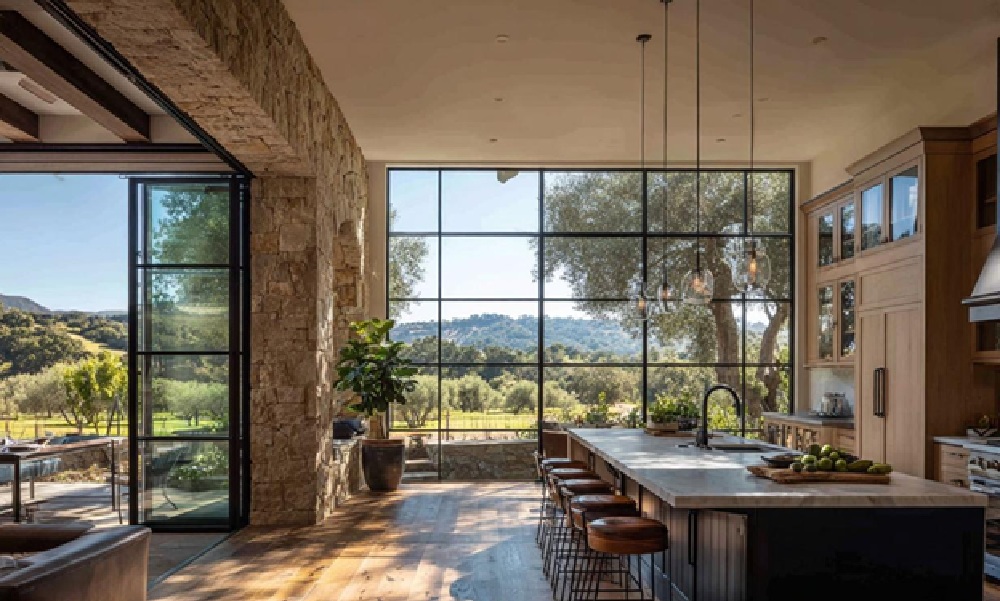
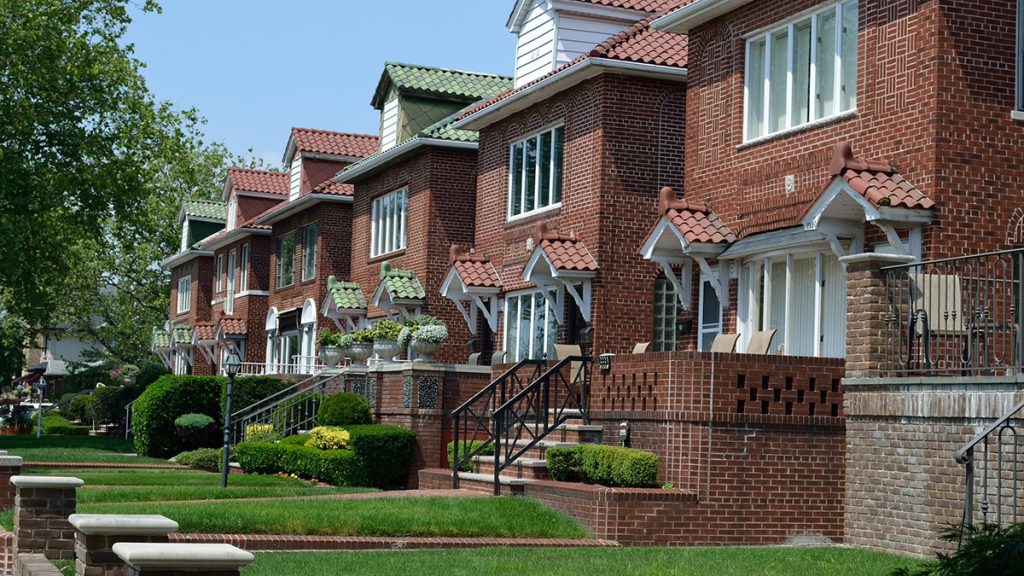
If you want to give your kitchen a fresh, new look without losing that warm, homey feeling, there’s one material that can do both: the oak kitchen cabinet

It doesn’t matter if your style leans toward rustic charm or clean, modern vibes—oak can fit in beautifully and elevate your space.

This guide will show you how oak cabinets can transform your kitchen from cozy and country to sleek and sophisticated. 

We’ll walk through style ideas, color pairings, finishes, layout tips, and more. By the end, you’ll see why oak is still one of the best choices for any kitchen design.

Why Oak Is the Heart of the Kitchen

Oak has been used in kitchens for decades, and for good reason. It’s not just a trend—it’s a smart, timeless investment.

Here’s why oak is such a great material for kitchen cabinets:

  • Strong and Durable: Oak is hardwood, which means it can handle heavy daily use. It won’t dent or scratch easily, making it great for busy kitchens.
  • Rich Texture: The grain of oak wood is easy to spot, and that texture adds depth and character to your cabinets. It gives your kitchen a natural, organic feel.
  • Classic and Adaptable: Oak blends well with different design styles. You can make it look rustic, modern, vintage, or somewhere in between.
  • Ages Beautifully: Over time, oak can develop a soft patina that adds even more charm. It doesn’t go out of style.

Whether you’re remodeling or starting from scratch, oak cabinets provide a strong foundation you can build around.

Rustic Charm: The Natural Side of Oak

When most people think of oak, they picture warm, golden tones and a farmhouse-style kitchen. That’s because oak naturally lends itself to a rustic feel. But this isn’t a bad thing—it’s what gives your kitchen heart.

Here’s how to make the most of that rustic style with oak cabinets:

Stick with Natural Finishes

A natural or clear-coated finish allows the wood’s grain to shine through. This keeps the focus on the wood’s natural beauty. It also gives off a handcrafted look that feels warm and genuine.

Choose Classic, Vintage Hardware

Add charm with wrought iron, aged brass, or antique bronze knobs and pulls. These metals look like they’ve been in the kitchen for years, even if they’re brand new. The mix of metal and wood is key in rustic design.

Add Stone, Brick, or Wood Accents

Oak pairs beautifully with other earthy materials. Try a stone countertop or brick backsplash to give your kitchen that countryside appeal. A butcher block island or reclaimed wood beams also work wonders.

Use Soft, Warm Lighting

Warm white or golden lighting will make the oak glow. Avoid cool-toned lights—they can make oak look dull or orange.

Rustic oak kitchens feel cozy and grounded. They’re full of natural textures, simple charm, and a sense of home. If you love a kitchen that feels lived-in and welcoming, rustic oak is a top choice.

The Shift to Refined: Modernizing Oak Cabinets

You might think oak only belongs in an old farmhouse, but that couldn’t be further from the truth. Today, oak is having a comeback in sleek, elegant kitchens, too.

By using modern design touches, you can completely change the look of your oak kitchen cabinet setup. Here’s how:

Choose Lighter or Toned-Down Shades

Instead of traditional honey oak, try light-washed, gray-tinted, or bleached oak. These soft tones make the space feel airy, clean, and modern.

Go for Sleek, Minimal Hardware

Replace bulky knobs with slim handles or even push-to-open drawers. Chrome, brushed nickel, or matte black work well in modern settings.

Pair with Polished Materials

Glossy tile, marble countertops, or smooth concrete surfaces add balance. This contrast between rough oak and sleek finishes creates a stylish, updated look.

Stick to a Neutral Palette

Keep things clean with whites, grays, or blacks. You can always add color with small accents like dishes or rugs.

Try Flat-Panel Doors

Shaker cabinets work great in both rustic and modern kitchens. But for a more refined look, consider flat panels with no detailing. This gives your cabinets a smooth, minimalist appearance.

Modern oak kitchens feel bright and bold—but still warm. You get the best of both worlds.

Color Pairing Tips for Oak Kitchen Cabinets

One of the easiest ways to change the look of your kitchen is by choosing the right colors to go with your cabinets.

Here are some tried-and-true color combos for oak:

Soft Whites and Creams

  • Makes oak cabinets pop without overpowering them
  • Helps balance darker wood tones
  • Great for creating a fresh, clean space

Earthy Greens and Sage

  • Brings out oak’s natural, woodsy side
  • Feels calming and grounded
  • Ideal for rustic or boho-style kitchens

Charcoal, Graphite, or Slate Grey

  • Adds a touch of drama without going full black
  • Helps tone down warm wood colors
  • Perfect for modern spaces

Navy or Deep Blue

  • Creates bold contrast
  • Makes oak look more high-end
  • Works especially well with brass or gold hardware

Choose one of these palettes to help your oak kitchen cabinet stand out—or blend in—depending on your goal.

Oak Cabinet Finishes: Finding the Perfect Look

Your finish can completely change how your oak cabinets feel. Here’s a quick guide to some popular finish options:

Natural or Clear-Coated

  • Shows off the real wood grain
  • Ideal for rustic, traditional, or farmhouse kitchens
  • Keeps the wood tone warm and cozy

Whitewashed or Limed Oak

  • A subtle, pale finish that lightens the wood
  • Perfect for beachy, modern, or Scandinavian kitchens
  • Keeps texture, softens color

Dark-Stained Oak

  • Adds richness and elegance
  • Looks dramatic and sophisticated
  • Pairs beautifully with light countertops

Painted Oak

  • Hides the grain for a smoother look
  • Works well in modern or colorful kitchens
  • Go with matte black, navy, or crisp white

Your choice of finish can turn the same oak cabinet into something completely new. It’s a simple way to get a big design impact.

Flooring and Countertops That Match Oak Cabinets

It’s not just about the cabinets—you need a floor and counter that support the look. Let’s break it down.

Flooring Ideas:

  1. Light Hardwood or Laminate
    • Keeps the room feeling open
    • Works well with both dark and light oak
  2. Patterned Tile
    • Adds visual interest without clashing
    • Try a soft pattern in neutral colors
  3. Textured Concrete or Polished Cement
    • Great for industrial or modern oak kitchens
    • Adds contrast to the wood

Countertop Options:

  1. White Quartz or Marble
    • Clean, bright, and timeless
    • Balances heavy wood tones
  2. Butcher Block
    • Perfect for rustic kitchens
    • Oak-on-oak can work when balanced with light walls
  3. Granite (Light or Dark)
    • Durable and luxurious
    • Offers texture and variation

Everything should work together to create a kitchen that feels intentional and balanced.

Smart Storage Ideas for Oak Cabinets

Let’s face it—beautiful cabinets are great, but they also need to work for your lifestyle. Oak cabinets can be custom-fit with clever storage features that make your kitchen easier to use every day.

Here are a few helpful additions:

  • Pull-Out Shelves: No more bending and digging in the back
  • Deep Drawers: Store big pots and pans with ease
  • Hidden Trash/Recycling Pull-Outs: Keeps clutter out of sight
  • Spice Drawer Inserts: Organized and easy to reach
  • Built-In Tray or Cutting Board Slots: Perfect for bakers or cooks

Good storage isn’t just about space—it’s about how your kitchen flows. Oak cabinets can handle all the extras you need.

Mixing Oak with Other Materials

Worried about having too much wood? Mix and match for a balanced look.

Try these combos:

  • Two-Tone Cabinets: Oak lowers, white uppers
  • Painted Island with Oak Cabinets: Adds contrast and style
  • Oak + Glass: Use some glass cabinet doors to break up the wood
  • Oak + Metal: Add metal bar stools, shelving, or fixtures for a modern edge

These combinations keep your space from feeling too heavy or monotone.

Lighting Tips to Highlight Oak’s Beauty

Lighting plays a huge role in how oak looks. The right lights can bring out the grain and color, making your kitchen feel brighter and more inviting.

Here’s what works best:

  • Under-Cabinet Lighting: Adds warmth and function
  • Pendant Lights: Focus attention on key areas like islands
  • Warm LED Bulbs: Make oak glow instead of looking orange or dull
  • Glass or Open Fixtures: Let light flow freely through the room

If you’re investing in oak cabinets, make sure your lighting does them justice.

Final Touches: Small Details That Complete the Look

The finishing touches pull the whole design together. These are the things that make your kitchen look not just good, but amazing.

  • Rugs and Runners: Add softness underfoot and color to the space
  • Window Treatments: Try linen or cotton shades in neutral tones
  • Plants or Herbs: A touch of green brings life to the space
  • Artwork or Signs: Adds personality and charm

These little pieces help your oak kitchen cabinet design feel complete and unique to you.

Conclusion: Timeless Style with Oak

Oak isn’t just an old-school choice—it’s a timeless one. Whether you love the rustic charm of raw wood or the clean, sleek lines of modern design, the oak kitchen cabinet can get you there.

It’s strong, beautiful, and endlessly customizable. With the right colors, finishes, lighting, and layout, your oak kitchen can be the most stunning room in your home.

So if you’re planning a remodel or just looking to refresh your space, don’t overlook oak. From rustic to refined, it’s the cabinet style that never lets you down.

For many homeowners today, suburban living means more than just escaping the city hustle—it’s about finding a true sense of belonging, where neighbors know your name and community connections thrive. In southern Idaho, Burley has quickly risen as a top suburban pick—combining ease of commute, affordability, and an atmosphere that nurtures community.

Here’s a look at why Burley is becoming the new ideal for suburban life.


🚗 Easy Commute, Better Work-Life Balance

One of the biggest draws to Burley is its strategic location. Situated right off Interstate 84, the town offers seamless access to larger employment centers like Twin Falls (45 minutes) and even Boise (about 2 hours). That means residents get the best of both worlds: suburban peace at home and economic opportunity within reasonable commuting distance.

For remote workers or those with flexible jobs, Burley’s commute profile means less traffic stress and more time for life outside work.


🏡 Affordable Homes Without Sacrifice

Housing in bigger cities often comes with steep price tags—but Burley breaks that mold. Whether you’re looking for updated family homes, single-level bungalows, or new builds in growing subdivisions, the cost per square foot remains significantly lower than in metro areas across Idaho.

Better yet, newer developments offer modern amenities—attached garages, open floor plans, energy-efficient features—all without stretching the budget. And with experienced professionals like hailey paul working locally, buyers feel confident navigating the market and finding hidden gems before they hit the mainstream.


🌳 A Vibrant, Human-Centered Community

Burley’s advantage lies not just in affordability or location, but in how it fosters connection. Annual events—such as the Snake River Stampede, the county fair, and seasonal farmers markets—bring neighbors together in ways city life too often lacks. Local sports leagues, gardening clubs, and school-related activities offer dozens of ways to meet people and feel part of something bigger.

For people yearning for a tight-knit, supportive environment, Burley provides an authentic sense of belonging.


🧭 Small‑Town Services with Big‑Town Quality

It’s not just charm—Burley delivers quality services that exceed suburban expectations. Cassia Regional Hospital and numerous clinics provide excellent healthcare nearby. Public and private schools are rated highly, giving families peace of mind. Shoppers will find major chains and locally owned stores, plus a bounty of dining and service options.

In essence, residents get all they need—medically, educationally, commercially—without depending on distant urban centers.


🌿 Nature & Recreation, Close to Home

Burley’s outdoor appeal is a magnet for those seeking balance. The Snake River, parks like Centennial Park and Fields, and the nearby South Hills offer year-round opportunities for walking, biking, fishing, and enjoying sunsets. Winter brings cross-country skiing, snowshoeing, and gorgeous snowy landscapes—all within a short drive.

This easy access to nature boosts health, well-being, and leisure time—elements that define the best suburban life.


🤝 Supportive Real Estate Partners

Navigating homeownership is smoother with the right support. Agents like hailey paul bring local knowledge, relationships, and insight—qualities you won’t always find in big-city-focused professionals. They understand neighborhood nuances, school boundaries, resale potential, and rental trends in Burley.

By having a trusted guide, buyers gain more than a house—they gain investment stability and community alignment.


🏘️ Built for Diverse Lifestyles

Burley isn’t one-size-fits-all. It offers family-oriented neighborhoods with playgrounds, starter homes ideal for young buyers, and single-level homes that suit retirees. New subdivisions blend walkability with aesthetics, while older districts showcase charm and mature landscaping.

This diversity helps households of all kinds find their niche—and grow roots in a place that fits them.


🌅 Why Move from Commute to Community?

  • Time & cost savings – shorter commutes = more quality life hours.
  • Stronger social ties – community events and friendly neighbors build meaningful connections.
  • Financial freedom – affordable homes with excellent value and growth potential.
  • Life enrichment – nature, recreation, healthcare, education—all catered to a balanced lifestyle.

Final Thoughts

Today’s homeowners value more than square footage and schools—they want a community that feels like home. Burley delivers that blend: easy access to work, affordable quality living, vibrant local culture, robust services, and natural beauty.

If you’re ready to shift from a routine commute to an engaged, fulfilling life, Burley might just be the place you’ve been searching for. With experts like hailey paul ready to guide you, the key to your dream suburban home—and community—is closer than you think.

Melbourne is all about making the most of every square metre. From a state-of-the-art apartment in Docklands to a darling terrace in Brunswick; guest rooms might have multiple functions. Enter a versatile leather sofa bed perfect for Melbourne homes.

Not only does it offer more than just seating — it doubles as a stylish bed, compact and ready for guests. But a classic leather recliner continues to be a great choice for lounging, while sofa beds offer even more versatility.

Sofa beds are fun and easy to move around; however, they do take up quite a bit of space in a home so you have to keep your surroundings in mind.

Guest rooms have evolved over the years need not only for sleeping in. They serve many purposes, as home offices, reading nooks, or even hobby zones. A leather sleeper bed works nicely as it combines couch comfort and bed usability.

And leather is also well made and beautiful, withstanding Melbourne’s humid summers and chilly winters. It gives any space a finished look — far surpassing what basic fabric futons will ever do.

Compact Area, Intelligent Design

Not every Melbourne abode has the benefit of a decent-sized spare room. Now, in places like Fitzroy, or Southbank – space is a premium. Well, here comes another smart solution: compact sofa beds.

They usually go from about 180–200cm across and convert with ease into double or queen beds. Fold-out or pull-out systems make the transformation quick and mess-free — ideal for surprise sleepovers or a short visit at either end of the family.

Built for Durability and Simplified Maintenance

The wear factor is one of leather’s greatest assets. It’s durable against daily wear and tear, making it ideal for high-traffic homes among children and pets alike.

Mess or dust is easily cleaned, just a simple wipe with a damp cloth. Leather also handles mould and dampness better than fabric in coastal areas, such as Brighton or St Kilda. If it is top-grain or full-grain leather you have even more value as it will not crack or fade as easily.

Can Be Used Daily and Still Comfortable

A guest bed shouldn’t be a last-minute deal. Any sofa bed (especially leather) needs to be equally comfortable lying as well as sitting on.

  • Look for models with:
  • Firm mattress (Minimum Thickness 10cm)
  • Padded seats and armrests
  • Some optional features, such as headrests or chaise extensions

Those features provide recliner-level lounging comfort and offer double duty for your guest room, which we all know a leather recliner is still a classic favourite and fine for when it’s time to unwind.

A Flexible Aesthetic for Every Melbourne Home

Leather has timeless appeal. It complements modern and traditional homes throughout Melbourne.

If you are a fan of a minimalist, neutral themed decor, stick to colours like tan, charcoal, or ivory. Want something bold? — Give oxblood, navy, or even forest green a shot. If you add tufted backs, it is a more traditional look, and clean lines are more current if you have a newer build.

A leather recliner or sofa bed adds elegance without overpowering small spaces — hello, city-living!

Features That Add Function

Lane Furniture is another leather sofa bed with a few extra bells and whistles. Look for:

  • Storage areas for pillows and linen that are not being used
  • Clunk or smooth pull-out systems
  • Durable frames (metal or wood)
  • Able to hold in excess of 200–300kg
  • Charging ports adding convenience to modern guests

These allow for easier hosting of friends and family — and a tidy space.

Buying Tips to Get the Best Fit

Most beds will require 200–220cm at-full-extension, measure your room carefully before you buy!

For leather exposed to plenty of sunshine, select a treated leather that’s UV resistant. Also, check warranty details. The best models give you 2–5 years of protection on the frame and on the upholstery.

Expect to spend $1,000 to $3,000 for a decent, well-made, bed sofa.

Final Thoughts

One of the best options for a practical yet stylish guest room is a multifunctional leather sofa bed ideal for Melbourne homes. Saves space, provides extra comfort, and looks great all year round.

So, whether you are outfitting a guest room or updating a multipurpose room, this is one purchase that pays off. Classic leather recliner is still a favourite for relaxation — always a popular option for unwinding — and then you really do have all your comfort bases covered.

Not often does expanding your house call for a big budget or major overhaul. More living space can be created without compromising design with the correct strategy. Cost-effective solutions that add both design and utility to their houses are being sought by homeowners. From redesigning spaces to including ingenious improvements, there are many choices reflecting taste and utility. Among the most often chosen options, New Orleans home additions show that it is quite feasible to remain on budget and yet produce a beautiful outcome.

Reimagine Interior Spaces for Better Flow

Think about maximizing what you already have before designing additional rooms. Older room divisions, difficult layouts, or neglected areas could be restricting the possibilities of your house. Eliminating pointless barriers, grouping smaller rooms, or using underused spaces will drastically alter the atmosphere of your house without increasing its size. One well-known example of how style and space could coexist is the open-concept arrangement. It gives the house a contemporary style and helps it to seem brighter and more connected.

Build Up with Upper-Level Additions

Often the best course of action when limited room exists for expansion is upward. Expanding without changing the base of the house is best done with second-story additions or spaces above current garages. Along with saving yard area, this enables a more financially manageable project. Maintaining the general cohesiveness of the design and materials is mostly dependent on matching them with the original construction. Depending on the demands of your property, these vertical additions provide adaptability and can be used for several reasons.

Stylish Sunrooms and Enclosed Porches

A sunroom or included porch may wonderfully combine use with beauty. These areas provide cover from the weather and serve as transitions between interior and outdoor living. Their well-placed lighting and big windows create a comfortable and appealing year-round atmosphere. Many homeowners chose this path as a financially smart substitute for a conventional addition. Well-designed New Orleans home additions of this kind show how even small additions can give a house character and grace.

Attic and Basement Transformations

Instead of beginning from nothing, think about areas in your house that go unnoticed right now. Great possibilities for attractive and reasonably priced improvements abound in basements and attics. Proper insulation, carpeting, and lighting will help to finish these spaces—such as bedrooms, dens, or studios—into comfortable, useful quarters. Conversion expenses usually are less than establishing a new construction as the foundation and roof already exist. These changes, done with careful planning, bring great value within a fair expenditure.

Modular Additions That Fit Seamlessly

Growing in popularity for good reason are prefabricated or modular home expansions. They may be personalized to fit the architecture of your house, are reasonably quick to set up, and are reasonably affordable. These off-site expansions, later connected to the house, help to minimize building disturbance and labor expenses. For homeowners who wish to improve their space without long timeframes or unnecessary costs, a well-selected modular addition can seem just as polished and deliberate as a conventional project.

Your house will seem more roomy, fashionable, and functional without a large expenditure, nevertheless. Selecting the kind of addition that fits your current layout and needs can help you to create a visually stunning and reasonably priced change. Careful design can produce amazing effects, whether it’s by rethinking current rooms, enclosing a porch, or going vertical. Appropriate home modifications can really improve daily living and help to control expenses.

Plumbers Solve in Residential Properties

Plumbing issues in residential properties can be more than just an inconvenience. They often disrupt everyday routines and, if not addressed quickly, can turn into costly repairs. A plumber in Bayville is well-versed in handling both common and complex plumbing challenges, ensuring that your home systems run smoothly. From leaky faucets to significant pipe damage, understanding these issues can help homeowners recognize when professional intervention is needed.

Below, we outline some of the most common plumbing problems that professionals tackle and why it’s essential to address them promptly.

Common Pipe and Drainage Issues

One of the most frequent challenges plumbers face is related to pipes and drains. While these issues may seem straightforward, they often hide deeper problems within a home’s plumbing system.

Burst Pipes and Leaks

A burst pipe can wreak havoc on a home, leading to extensive water damage if not repaired immediately. Leaky pipes, while less dramatic, contribute to higher water bills and mold growth over time. Whether the cause is freezing temperatures or general wear and tear, expert help is vital for identifying and repairing the root cause.

If left unaddressed, leaks can worsen, causing hidden damage and more expensive repairs down the line. This is one reason why recognizing early signs that you need to call a professional plumber is so important for homeowners.

Challenges with Fixtures and Appliances

Plumbing fixtures like sinks, showers, and toilets can present their own set of challenges. While they may appear minor on the surface, underlying problems can affect your home’s water efficiency and functionality.

Clogged Toilets and Drains

Clogs are one of the most common complaints homeowners have, and clearing them involves more than just plunging away the blockage. Recurring clogs often point to issues deeper in the system, like tree root intrusions or grease buildup. Professional plumbers not only unclog drains but also inspect for long-term solutions.

Faulty Water Heaters

Few things are as frustrating as running out of hot water during a shower. When water heaters fail due to sediment buildup or malfunctioning parts, it’s not just an inconvenience but can also lead to energy inefficiency. Tackling these issues promptly with professional assistance prevents costly replacements.

Structural Damage and Water Pressure Problems

Plumbing troubles don’t stop at fixtures and pipes. Many homes suffer from water pressure issues or structural damage caused by outdated systems.

Low Water Pressure

Low water pressure can be a symptom of various underlying problems, such as leaks, mineral buildup in pipes, or poorly designed plumbing systems. It requires expertise to diagnose and resolve, ensuring a consistent and smooth water flow in your home.

Sewer Line Damage

Sewer line problems are among the most complex issues plumbers handle. Corroded pipes, blockages, or complete sewer line collapses are both costly and disruptive, but need immediate attention. Repairing or replacing damaged sewer lines is essential for maintaining sanitation and preventing further property damage.

Why Professional Expertise Matters

Attempting to fix plumbing problems without professional help can worsen the situation, increasing repair costs. Licensed plumbers bring experience, tools, and insights that ensure the job is done correctly and efficiently. Identifying hidden issues early, such as through routine inspections, can save homeowners significant stress and money over time.

Conclusion

Plumbing challenges can arise in any household, ranging from leaky faucets to major pipe damage. Recognizing the signs and contacting a professional promptly can safeguard your home from extensive damage and costly repairs. Whether it’s addressing recurring clogs, replacing faulty water heaters, or fixing structural plumbing issues, experienced plumbers have the skills to keep your home functioning seamlessly.

Roofing Contractors

A high-performing roof does more than keep out the rain—it protects your home’s structural integrity, preserves indoor comfort, and boosts long-term property value. Yet, these benefits depend entirely on the quality of installation and repair work. Whether you’re addressing storm damage or planning a full replacement, working with a trusted roofing contractor in Dunwoody ensures that the job is done right the first time and built to last.

Building a Foundation Through Skilled Assessment

Before any repair or replacement begins, professional roofing contractors conduct thorough inspections to determine the extent of the damage or deterioration. This includes checking for loose shingles, leaks, structural sagging, and flashing issues. An accurate assessment lays the groundwork for effective, targeted solutions that avoid over-repairing or underestimating the scope.

Experience plays a major role here. Skilled contractors can quickly identify hidden weaknesses, such as water infiltration beneath the underlayment or improperly installed flashing, that could go unnoticed by an untrained eye. These early discoveries reduce the risk of recurring problems that lead to higher repair costs over time.

Avoiding Common Errors in Roofing Projects

Hiring the right professional is just as important as the materials used. Understanding the mistakes homeowners make when hiring a roofer can help you make informed decisions. Many choose contractors based solely on low prices, fail to check licensing or insurance or skip reading customer reviews. These shortcuts often lead to poor workmanship, unfinished jobs, or even legal liability.

Professional roofers avoid these pitfalls by operating with transparency, clearly outlining timelines, costs, and materials, and securing all necessary permits. Their reputation is built not just on quality installations but also on clear communication, warranty-backed work, and post-installation support.

The Role of Roofing Materials and Techniques

Longevity is also influenced by material selection and proper installation techniques. Contractors choose products based on regional weather patterns, roof pitch, and home architecture. For example, in humid or storm-prone areas, certain shingles and underlayment systems are better suited to resist moisture and wind uplift.

Quality roofing contractors use manufacturer-approved methods during installation to ensure materials perform as intended. They also follow precise nailing patterns, sealant applications, and shingle alignment to prevent future issues like buckling, leaks, or premature wear.

Importance of Ventilation and Insulation

One of the often-overlooked factors in roof longevity is attic airflow. Professionals know that proper ventilation and insulation for your roof significantly extend its lifespan by reducing moisture buildup, preventing mold, and regulating attic temperatures.

Without adequate airflow, heat and humidity can get trapped in the attic, leading to warped decking, ice dams in winter, and higher energy bills year-round. Expert contractors install ridge vents, soffit vents, or gable vents to promote air circulation and balance indoor climate control. They also evaluate insulation levels to maintain consistent indoor comfort and enhance energy efficiency.

Post-Installation Inspection and Maintenance Planning

The job isn’t over once the last shingle is nailed in. Reputable roofing contractors perform post-installation inspections to verify that every component is secure and properly sealed. These inspections help confirm compliance with warranty terms and building codes.

Additionally, most professionals offer scheduled maintenance programs, which include seasonal inspections, debris removal, and minor touch-ups. These preventive steps are designed to preserve the roof’s condition, minimize future repair costs, and catch minor issues before they become major concerns.

Conclusion

Roof longevity is not just about strong materials—it’s about professional craftsmanship, precise installation, and attention to detail from start to finish. Partnering with an experienced roofing contractor ensures your investment is protected for the long haul. From avoiding common hiring mistakes to ensuring proper insulation and ventilation, their expertise plays a critical role in delivering a durable and high-performing roofing system.

Maintain Overhead Doors

Overhead doors are a vital part of many residential and commercial properties, offering security, insulation, and ease of access. While they are built to be durable, consistent upkeep is essential to prevent premature wear and ensure optimal performance. A well-maintained door not only operates smoothly but also contributes to energy efficiency and safety.  

For property owners exploring overhead door in Dayton options or managing existing installations, understanding the right maintenance steps can significantly extend the door’s lifespan.  

Perform Regular Visual Inspections

Start by inspecting your overhead door at least once a month. Look for signs of wear, such as fraying cables, misaligned tracks, rust spots, or loose hinges. Even minor damage can worsen quickly if left unchecked, leading to costly repairs or safety risks.

Make sure all fasteners and brackets are secure. Check if the rollers are gliding smoothly or showing signs of deterioration. Consistent inspection allows you to catch problems early before they disrupt operations.

Keep Moving Parts Lubricated

Lubrication is one of the simplest yet most effective maintenance steps. Apply a silicone-based lubricant to rollers, hinges, springs, and tracks. This prevents friction, reduces noise, and minimizes stress on mechanical parts. Avoid using heavy grease, as it may attract dust and grime that can clog the components over time.

Maintaining smooth movement also reduces strain on the opener, improving both efficiency and longevity.

Clean and Test the Safety Mechanisms

Your overhead door includes crucial safety features like sensors and automatic reverse systems. Wipe the sensor lenses clean with a soft cloth and test their responsiveness by placing an object in the door’s path. If the door does not stop and reverse, recalibration or professional servicing may be needed.

Failing sensors are not just a maintenance issue; they’re a safety hazard. Ensuring they function properly protects your family, pets, and vehicles from injury or damage.

Pay Attention to Operational Sounds

Unusual noises often signal trouble. A grinding or squeaking sound could indicate worn-out rollers, loose hardware, or an unbalanced door. If the door begins jerking or hesitating, it may need realignment or a spring adjustment.

Rather than guessing the issue, it’s best to be informed about common overhead door problems and how to fix them, especially those involving torsion springs or motor tension. Knowing when to attempt minor fixes and when to call a technician ensures the problem is addressed safely.

Weatherproof and Clean Exterior Surfaces

Seasonal maintenance also plays a role in door efficiency. Clean the door panels with mild soap and water, and inspect the weather stripping for cracks or wear. Damaged seals allow drafts and moisture to seep through, reducing insulation and increasing utility costs.

For metal doors, check for signs of corrosion. Applying a protective sealant can prevent rust and keep the surface looking new.

Read more: DIY Garage Door Repair: The Pros and Cons

Conclusion

Routine maintenance of your overhead door is a smart investment in safety, performance, and durability. Through monthly inspections, proper lubrication, functional safety features, and timely responses to wear, you can avoid major repairs and extend the door’s lifespan. By staying proactive, you ensure smooth, reliable operation year-round, saving both time and money while keeping your property secure.

Water Damage

When a fire occurs, the immediate damage caused by flames is just one part of the problem. In many cases, the water used to extinguish the fire leaves behind extensive water damage, making restoration even more complex. Whether it’s soaked floors, damaged ceilings, or compromised insulation, responding quickly is essential to prevent mold growth and structural deterioration. For residents and businesses, hiring a professional water damage restoration service in Buford ensures the process is handled efficiently and safely from the start.

Understanding the Impact of Water Damage After a Fire

Water damage can be deceptive. After the fire is out, hidden moisture can seep into walls, floors, and ceilings. This residual water can weaken structural integrity and create the ideal environment for mold and mildew. It’s not just about drying visible areas—professional services have the tools to detect and remove moisture from unseen places, preserving the safety and longevity of the property.

Why Immediate Action is Critical

Delays can cost more than just money. Water damage spreads quickly, and within hours, it can warp wood, corrode metals, and begin breaking down drywall. Within 24-48 hours, mold can start to grow. Professionals act fast, using industrial-grade equipment to extract water, dehumidify spaces, and sanitize affected areas. Addressing the issue quickly doesn’t just protect the building—it safeguards the health of those who live or work inside.

Steps Professionals Take During Restoration

Fire and water damage restoration is a multi-step process. Certified technicians begin with a thorough assessment to understand the extent of damage. They then proceed with water extraction, drying, and dehumidification, followed by cleaning and sanitizing to remove smoke residues and potential biohazards. Structural repairs come next, ensuring everything is restored to its original condition or better.

Hidden Risks of Water Damage You Shouldn’t Ignore

Even when things look dry, danger might still be lurking. Water can seep into insulation, behind walls, or under flooring. If left untreated, this hidden moisture can compromise structural elements and foster mold growth. That’s why relying on experts—rather than attempting to assess the damage alone—is the best path forward. Their experience and equipment make all the difference.

Before diving into structural repairs, ensuring that all areas have been thoroughly dried is crucial. Improper drying can result in long-term problems, including persistent odors, weakened supports, and even electrical hazards. In some cases, you’ll notice how fast action in water damage restoration saves your business from downtime, something no homeowner or business owner can afford to ignore.

Conclusion

Recovering from a fire is never easy, and the water damage that follows can make things even more challenging. But with the right approach and expert help, your property can be restored safely, efficiently, and thoroughly. Acting quickly, choosing experienced professionals, and understanding the risks of water damage ensures that your restoration process doesn’t just fix what’s broken—it prevents future issues. This proactive approach safeguards your property’s value and your family’s health. Trusting skilled restoration teams ensures peace of mind during a difficult time.

JBT FoodTech’s FLoFREEZE system is one of the leading innovations in freezing technology. This system provides an advanced method of freezing food products quickly and efficiently while maintaining their quality. With its cutting-edge design and technology, the FLoFREEZE system has transformed the food industry by offering reliable and high-performance freezing solutions.

What is the JBT FoodTech FLoFREEZE system?

The JBT FoodTech FLoFREEZE system is a state-of-the-art freezing technology designed for food manufacturers that need to freeze a wide range of products, from fruits and vegetables to prepared meals. Unlike traditional freezing methods, the FLoFREEZE uses a combination of fluidized bed freezing and high-speed airflow to rapidly freeze products without compromising their texture or taste.

The system works by passing food products through a chamber where they are subjected to extremely low temperatures, with air circulating around them. This process ensures that each product is frozen uniformly and quickly, locking in freshness and nutrients. The result is a high-quality frozen product that is ready for storage, transport, and sale.

Key features of FLoFREEZE technology

The FLoFREEZE system offers several features that make it a preferred choice for food processors worldwide:

  1. High-speed freezing
    One of the standout features of FLoFREEZE technology is its ability to freeze products at an accelerated rate. By rapidly lowering the temperature of food items, the system prevents the formation of large ice crystals, which can damage the cell structure of the food. This leads to products that retain their original texture and taste after being thawed.
  2. Uniform freezing
    The fluidized bed system ensures that the food products are evenly exposed to the freezing air, resulting in consistent freezing across all items. This uniformity helps prevent any part of the food from being under-frozen or over-frozen, ensuring the highest quality of the final product.
  3. Energy efficiency
    The FLoFREEZE system is designed to be energy-efficient, reducing operational costs for food manufacturers. Its high-speed freezing technology allows for faster processing times, meaning less energy is required for each batch. Additionally, the system’s design minimizes energy waste, making it an environmentally friendly choice for large-scale food production.
  4. Versatility
    The FLoFREEZE system can handle a wide variety of food products, from small fruits and vegetables to larger, bulkier items like prepared meals and meats. This versatility makes it an ideal solution for companies that process diverse product lines. It’s especially beneficial for businesses in the frozen food sector, as it can adapt to different product sizes and types without compromising on quality.

Benefits of using the FLoFREEZE system

Adopting the FLoFREEZE system brings several advantages to food manufacturers. Here are some key benefits:

  • Improved product quality: The high-speed freezing process preserves the natural qualities of food, including flavor, texture, and nutrients. This means that consumers enjoy frozen products that taste just as fresh as when they were first harvested or prepared.
  • Increased productivity: The rapid freezing process allows food processors to produce larger quantities of frozen goods in less time. This increased throughput is especially important in industries where demand for frozen products is high and efficiency is a priority.
  • Cost savings: With its energy-efficient design and faster freezing times, the FLoFREEZE system helps food processors lower energy costs. Additionally, the reduced need for storage space due to quicker freezing means more efficient use of resources.
  • Longer shelf life: The uniform freezing provided by the FLoFREEZE system results in a longer shelf life for frozen foods. This is important for reducing waste and increasing the profitability of food products that are stored and transported over long periods.

Applications of FLoFREEZE technology

The FLoFREEZE system has wide-ranging applications in the food industry. It is used in the production of frozen fruits and vegetables, ready-to-eat meals, seafood, meat, and bakery products. Some specific applications include:

  • Frozen fruits and vegetables: The FLoFREEZE system helps preserve the texture, taste, and nutritional value of fruits and vegetables, making it perfect for companies that specialize in frozen produce.
  • Frozen meals: For businesses that produce prepared frozen meals, the FLoFREEZE system ensures that every meal is frozen quickly and uniformly, locking in flavor and preventing sogginess upon reheating.
  • Meat and seafood: The system is ideal for freezing meat and seafood products, which often need to be processed quickly to ensure freshness and minimize freezer burn.
  • Bakery products: The FLoFREEZE system can also be used for freezing bakery items like dough and pastries, ensuring they maintain their freshness and texture when baked later.

Freezing technology

The JBT FoodTech FLoFREEZE system represents a major leap forward in freezing technology, offering food manufacturers a reliable, energy-efficient, and versatile solution for freezing a wide range of products. With its ability to freeze food quickly and uniformly while preserving quality, the FLoFREEZE system is a game-changer for the frozen food industry. By improving product quality, increasing productivity, and reducing costs, the FLoFREEZE system is an invaluable tool for businesses looking to stay competitive in today’s market.