
Category

Home Improvement

Category

High-ROI Home Exterior Upgrades for 2026

Investing in your home’s exterior offers more than just a fresh look; it’s a strategic move to boost property value and enhance daily living. As we look towards 2026, certain exterior upgrades consistently deliver impressive returns on investment (ROI) and align with evolving homeowner preferences. These projects not only improve curb appeal but also offer long-term durability and energy efficiency.

One standout upgrade is fiber-cement siding. According to recent reports, installing new fiber cement siding can significantly increase your home’s value, with an average boost of $24,328, representing an ROI of up to 114%. This material is celebrated for its resilience, offering superior protection against moisture, insects, and fire, making it a wise choice for diverse climates.

Another high-impact upgrade is replacing your entry door. Steel entry doors, in particular, are noted for delivering an exceptional ROI, sometimes as high as 216%, translating to an average increase of $5,270 in home value. Beyond the financial return, a new entry door immediately elevates your home’s aesthetic and enhances security.

Energy efficiency remains a driving factor in home improvements. Upgrades that reduce heating and cooling costs are always attractive to potential buyers and provide immediate savings for current homeowners. This includes not only well-insulated siding and doors but also advancements in architectural shingles for roofing. Modern roofing materials, including cool-roof technology and impact-resistant options, offer better insulation and protection against harsh weather, contributing to both energy savings and a significant ROI. Roofing consistently ranks among the highest-return exterior renovations.

The trend for 2026 also emphasizes texture mixing and modern classic palettes. This involves combining different materials and finishes, such as pairing smooth siding with stone accents or incorporating natural wood details, to add depth and visual interest. Light siding colors, like warm whites and muted grays, combined with bold accents like black trim or deep green shutters, create a sophisticated and timeless look. When considering comprehensive exterior improvements, don’t overlook the impact of specialized services, such as those for Helendale garage upgrades & care. A well-maintained, aesthetically pleasing garage door not only adds to your home’s overall appeal but also enhances its energy efficiency and security.

For homeowners, focusing on materials that are both noncombustible and moisture-resistant is crucial for long-term protection and lower maintenance. Fiber cement siding and certain types of roofing exemplify these qualities, safeguarding your investment against environmental challenges.

Selecting Materials for Durability and Style

Choosing the right materials for your home’s exterior is a critical decision that balances aesthetics, durability, maintenance, and cost. Each material offers unique advantages, and the best choice often depends on your home’s architectural style, local climate, and personal preferences.

Siding Materials

  • Fiber Cement Siding: This material is a top contender for its exceptional durability and low maintenance. It resists rot, pests, fire, and harsh weather, making it suitable for almost any climate. Fiber cement can mimic the look of wood, stucco, or masonry, offering a wide range of aesthetic versatility. Its ability to hold paint for extended periods also means less frequent repainting.
  • Vinyl Siding: A popular and cost-effective option, vinyl siding is known for its easy maintenance-it never needs painting and can be cleaned with a hose. While it offers good durability against minor impacts and moisture, it can be susceptible to cracking in extreme cold or warping in intense heat. Vinyl comes in a wide array of colors and styles, though its aesthetic versatility may be considered less premium than that of fiber cement.
  • Wood Siding: For classic charm and natural beauty, there’s no equal. Options like cedar shingles, clapboard, or log siding provide a warm, authentic look. However, wood requires significant maintenance, including regular painting or staining, and is prone to rot, pests, and fire if not properly cared for. Its durability depends heavily on climate and care.
  • Composite Materials: Often made from a blend of wood fibers and plastic, composite siding offers a balance of wood’s aesthetic appeal with enhanced durability and reduced maintenance. It’s more resistant to rot and pests than natural wood, but can be more expensive than vinyl.

Windows and Doors

  • Fiberglass Windows: These windows are approximately 15% more energy-efficient than vinyl due to their superior thermal stability. Fiberglass frames expand and contract very little with temperature changes, leading to tighter seals and better insulation. They are incredibly durable, resisting warping, rotting, and cracking, and can be painted to match any exterior.
  • Steel Doors: As mentioned, steel entry doors offer high ROI, excellent security, and good energy efficiency, especially when insulated. They are low maintenance and durable, though they can dent.
  • Fiberglass Doors: These doors mimic the look of wood without the maintenance required by wood. They are highly durable, resistant to dents and rust, and offer excellent insulation properties.

Roofing

  • Architectural Shingles: A common choice, providing a dimensional, aesthetically pleasing look. They offer good durability and UV reflection, contributing to energy efficiency.
  • Metal Roofing: Known for its longevity (50+ years) and excellent energy efficiency, metal roofing reflects solar radiant heat, keeping homes cooler. It’s also highly durable against extreme weather.
  • Concrete Tiles: While heavier, modern concrete tiles are more durable than older clay versions and can mimic the look of traditional tiles or even wood shakes, offering good insulation and fire resistance.

Here’s a comparison of common siding materials:

Material Durability Maintenance Needs Aesthetic Versatility Climate Suitability Fiber Cement Excellent (rot, pest, fire, weather resistant) Low (infrequent repainting) High (mimics wood, stucco, masonry) All climates, especially harsh ones Vinyl Good (moisture resistant, minor impacts) Very Low (no painting, easy cleaning) Moderate (wide color/style range, less premium look) Mild to moderate climates, can crack in extreme cold Wood Moderate (prone to rot, pests, fire) High (regular painting/staining) High (natural, classic charm) Requires careful maintenance in all climates Composite Good (rot, pest resistant) Low (less than wood) High (mimics wood) Good for various climates, less prone to wood issues When choosing materials, consider their contribution to sustainable construction. Many manufacturers now offer eco-friendly options, such as siding made from recycled content or roofing designed for maximum UV reflection to reduce energy consumption. By selecting durable, energy-efficient materials, we not only enhance our home’s appeal but also reduce long-term costs and boost its overall value.

Enhancing Architectural Character with Home Exterior Upgrades

The exterior elements of your home-from shutters to the front door-play a crucial role in defining its architectural character and curb appeal. Thoughtful selection and placement can significantly enhance your home’s style and make a lasting impression.

Shutter Styles and Architectural Matching

Shutters, though often vestigial fixtures rarely closed since the invention of glass, play a significant role in accentuating a home’s architectural style. Matching the right shutter style to your home’s design is key to achieving visual harmony.

  • Board and Batten Shutters: These rustic, Old World-style shutters feature vertical boards joined by horizontal battens. They are an excellent choice for homes with a more informal or traditional aesthetic, such as farmhouses, cottages, Cape Cods, and Mediterranean-style homes. Their simple yet robust appearance complements these architectural styles perfectly.
  • Louvered Shutters: Featuring angled slats, these shutters offer an ornate, classic look. Historically designed to allow light and air while maintaining privacy, they are ideal for more formal or decorative architectural styles. We often recommend louvered shutters for Victorian, Georgian, Italianate, and certain Ranch houses where their intricate design can truly shine.
  • Panel Shutters: These shutters feature solid panels that often resemble miniature doors. They provide a clean, minimalist look that blends well with a variety of architectural styles, including Federal, Colonial, Ranch, and Greek Revival homes. Panel shutters offer a sense of understated elegance and can be customized with various panel configurations.

When selecting materials, wood shutters offer an authentic, high-end look, but require regular maintenance. For a more affordable and easier-to-maintain option, composite, vinyl, PVC, or urethane shutters are excellent choices. These artificial materials are more resistant to the elements, making them durable and long-lasting with minimal upkeep. Regardless of the material, ensuring the shutters are correctly sized for your windows-so they can actually close and cover the window-is essential for achieving proper visual balance. Don’t forget decorative hardware like hinges and S-hooks, which add an extra touch of authenticity and charm.

Modernizing Entryways and Windows

The entryway and windows are focal points that can dramatically alter your home’s perceived age and style. Updating these elements can modernize an older home while preserving its unique character.

  • Windows: The trend for 2026 includes black-framed windows, which offer a striking contrast against lighter exteriors, lending a contemporary and sophisticated edge. Adding decorative grilles can further enhance architectural interest, especially for traditional or farmhouse styles. Enlarging existing windows, where feasible, can also significantly increase natural light inside and update the home’s exterior proportions.
  • Front Doors: A bold front door color can instantly refresh your home’s facade. Deep blues, matte black, or vibrant reds are popular choices that make a statement. Consider doors with modern designs, such as those incorporating glass panels or unique embellishments. For homes seeking enhanced security and energy efficiency, steel or fiberglass doors are excellent choices, offering durability and insulation. Adding sidelights (vertical windows flanking the door) or a transom (a window above the door) can further enlarge and brighten the entryway.
  • Modern House Numbers: This small detail can have a big impact. Sleek, contemporary house numbers in a contrasting finish instantly modernize your home’s facade.
  • Entryway Enlargement: For some architectural styles, particularly Ranch homes, enlarging the entryway with wider steps, a small portico, or even a tower element can create a grander, more welcoming approach.

As you consider these entryway and window upgrades, ensure the overall aesthetic flows seamlessly with other exterior elements. For instance, if you’re updating your garage, a newly finished garage floor can significantly contribute to the overall clean and updated look of your property. Exploring options for Home garage floor upgrades can inspire durable, attractive finishes that complement your home’s fresh exterior. Integrating smart locks into your front door system also adds a layer of modern convenience and security.

Low-Maintenance Landscaping and Outdoor Lighting

Transforming your home’s exterior doesn’t always require major construction. Low-cost, high-impact changes in landscaping and lighting can significantly boost curb appeal and functionality.

Sustainable Greenery for Home Exterior Upgrades

Landscaping is often the most cost-effective way to enhance your home’s exterior, offering an immediate visual refresh.

  • Pruning and Cleaning: Start with the basics. Trimming overgrown shrubs, removing dead branches, and weeding garden beds instantly creates a tidier appearance. A good power washing of your home’s siding, driveway, and walkways can reveal their true colors and remove years of grime, making a dramatic difference.
  • Fresh Mulch: Applying fresh mulch to garden beds not only suppresses weeds and retains moisture but also provides a clean, finished look that makes plants pop.
  • Native Plants and Xeriscaping: For long-term, low-maintenance solutions, consider incorporating native plants that are well-suited to your local climate. This approach, known as xeriscaping, reduces water consumption and requires less care once established.
  • Window Boxes and Seasonal Flowers: Adding colorful seasonal flowers in strategically placed window boxes or planters can bring vibrant life to your facade. These small touches add charm and a welcoming feel.
  • Hardscaping Elements: Simple hardscaping, like stepping stones or retaining walls, can define garden spaces and pathways. For a more expansive approach to creating inviting outdoor areas, exploring options for relaxing backyard upgrades can inspire durable, attractive patios, pathways, and other hardscaping features that seamlessly blend with your home’s exterior.
  • Ornamental Grasses: These provide texture and movement with minimal upkeep, making them excellent choices for modern or minimalist landscapes.

Landscaping plays a crucial role in framing your home. Ensure plants don’t obscure windows or architectural details.

Illumination and Security

Thoughtful outdoor lighting enhances your home’s aesthetic, improves safety, and extends its usability into the evening hours.

  • Solar Pathway Lights: An easy, affordable DIY solution for illuminating walkways and garden paths, providing both safety and ambiance without electrical wiring.
  • Motion Sensor Lights: For enhanced security, installing motion sensors on exterior lights near entry points or garages is highly effective. These lights deter intruders and provide illumination when needed.
  • Smart Lighting Systems: For a more integrated approach, smart lighting allows you to control your exterior lights from your phone, schedule on/off times, and even change colors to suit the mood or season.
  • Architectural Uplighting and Sconces: Strategically placed uplighting can highlight architectural features, trees, or garden elements, creating dramatic visual interest. Wall-mounted sconces near doors or on columns add a touch of elegance and provide functional light.
  • String Lights: For a more casual, inviting atmosphere in outdoor living areas, string lights can create a festive, warm glow.
  • LED Technology: Opting for LED technology across all your outdoor lighting needs ensures energy efficiency and long bulb life, reducing maintenance.

Layering different types of lighting-pathway, accent, and security-creates a cohesive, inviting exterior that truly shines after dark. This combination of illumination and security not only boosts curb appeal at night but also makes your home safer and more enjoyable.

The Role of Garage Functionality in Exterior Design

Often overlooked, the garage door is a significant component of your home’s exterior, influencing both curb appeal and energy efficiency. Upgrading your garage door can offer one of the highest returns on investment among home improvements.

Modern garage doors go beyond mere functionality; they are an integral part of your home’s aesthetic. Designs like carriage-house doors can transform a utilitarian garage entrance into a charming architectural feature, complementing a range of home styles from traditional to contemporary.

Beyond aesthetics, the functionality of your garage door significantly impacts your home’s overall energy performance. An insulated garage door acts as a crucial barrier, preventing heat transfer between your garage and the outdoors and, in turn, affecting adjacent living spaces.

Here are the key benefits of garage insulation:

  • Energy Efficiency: Insulated doors prevent cold air from seeping into the garage in winter and hot air from seeping out in summer, reducing the energy required to heat or cool your home. This directly translates to lower utility bills.
  • Temperature Regulation: It helps maintain a more stable temperature inside the garage, protecting stored items from extreme heat or cold and making the space more comfortable for hobbies or workshops.
  • Noise Reduction: Insulation materials dampen outside noises, contributing to a quieter home environment, especially if living spaces are above or adjacent to the garage.
  • Durability and Structural Integrity: Insulated panels are often thicker and more rigid, enhancing the door’s overall durability and impact resistance.
  • Increased Home Value: A well-insulated, aesthetically pleasing garage door is a significant selling point, signaling a well-maintained and energy-conscious home to potential buyers.

When selecting an insulated garage door, look for high R-values, which indicate superior thermal resistance. Materials such as polyurethane foam injected between steel panels offer excellent insulation. Reflective barriers can also be incorporated to further enhance thermal performance, particularly in hot climates.

Proper installation is key to maximizing these benefits. Ensuring the garage door is sealed effectively with weatherstripping around the perimeter prevents drafts and further improves insulation. Modern garage doors can also be equipped with smart garage openers, enabling remote control and monitoring and adding convenience and security. The combination of aesthetic appeal, enhanced energy efficiency, and modern features makes garage door upgrades a powerful component of any exterior renovation project, contributing significantly to both property value and daily comfort.

Frequently Asked Questions about Home Exterior Upgrades

Home exterior upgrades can seem daunting, but understanding the key aspects can simplify your decision-making process. Here are answers to some common questions.

Which exterior upgrades offer the highest return on investment?

Several exterior improvements consistently deliver high returns, making them smart investments for homeowners looking to boost value:

  • Garage Door Replacement: This upgrade frequently ranks among the highest for ROI, significantly enhancing curb appeal and functionality.
  • Fiber Cement Siding Installation: With an ROI often exceeding 100%, new fiber cement siding not only looks great but also offers superior durability and low maintenance, making it highly appealing to buyers.
  • Steel Entry Door Replacement: Providing an exceptional ROI, a new steel entry door significantly improves your home’s aesthetic, security, and energy efficiency.
  • Window and Roofing Upgrades: Energy-efficient windows, especially fiberglass, and modern architectural or metal roofing systems reduce long-term costs and are highly valued for their durability and efficiency.

These upgrades are attractive to buyers because they address both aesthetic appeal and practical concerns, such as energy costs and maintenance.

How do I choose the right siding for my climate?

Choosing the right siding material involves considering your local climate, desired aesthetic, and maintenance tolerance:

  • For Harsh Climates (extreme heat, cold, moisture, wind): Fiber cement is an excellent choice due to its resistance to rot, pests, fire, and extreme weather fluctuations. It holds paint well, reducing maintenance. Metal siding is also highly durable and resistant to many climate challenges.
  • For Moderate Climates: Vinyl siding is a cost-effective, low-maintenance option that performs well in moderate climates. However, in extreme cold, it can become brittle, and in intense heat, it may warp.
  • For Specific Aesthetic Goals: If you desire the classic look of wood, be prepared for higher maintenance regardless of climate, especially in areas with high humidity or frequent precipitation. Composite siding offers a good compromise, mimicking wood’s appearance with enhanced durability.

Always consider the material’s R-value (insulating properties) and its ability to withstand local environmental factors, such as UV exposure, humidity, and temperature swings.

What are the top exterior design trends for 2026?

The trends for 2026 focus on a blend of modern sophistication, natural elements, and enhanced functionality:

  • Modern Classic Palettes: Expect to see light siding colors (warm whites, muted grays) paired with bold, contrasting accents like black trim, deep green shutters, or dark front doors. This creates a timeless yet contemporary look.
  • Texture Mixing: Combining different materials on the exterior, such as fiber cement siding with stone accents, wood details, or board-and-batten elements, adds depth and visual interest.
  • Durable and Sustainable Materials: Homeowners are increasingly prioritizing materials that offer longevity, low maintenance, and environmental benefits, such as fiber cement, metal roofing, and native landscaping.
  • Enhanced Entryways and Windows: Black-framed windows, bold front doors, modern house numbers, and smart lighting systems are popular for creating welcoming and secure entry points.
  • Functional Outdoor Spaces: The integration of comfortable outdoor living areas, complete with thoughtful landscaping and layered lighting, remains a key trend, extending the home’s usable space.

These trends emphasize creating a cohesive, high-performing exterior that is both beautiful and practical, reflecting a homeowner’s desire for both style and substance.

Conclusion

Embarking on home exterior upgrades is a powerful way to invest in your property’s future. From boosting immediate curb appeal to ensuring long-term structural integrity and energy efficiency, every improvement contributes to your home’s overall value and your family’s enjoyment. By choosing high-ROI projects such as fiber-cement siding, steel entry doors, and insulated garage doors, we can make strategic decisions that pay dividends.

Thoughtful material selection, matching architectural styles with elements such as shutters and windows, and integrating low-maintenance landscaping with smart lighting all play crucial roles in creating a cohesive, inviting exterior. These enhancements not only protect your home from the elements but also enhance its aesthetic harmony and longevity.

To ensure your exterior upgrades last longer and retain value, consistent maintenance is key. This includes regular cleaning, prompt repairs of minor issues, and adherence to manufacturer guidelines for specific materials. For major upgrades like siding and roofing, the benefits of professional installation are undeniable. Experts ensure proper techniques, adherence to building codes, and often provide warranties that protect your investment, guaranteeing that your home’s exterior remains beautiful and functional for years to come.
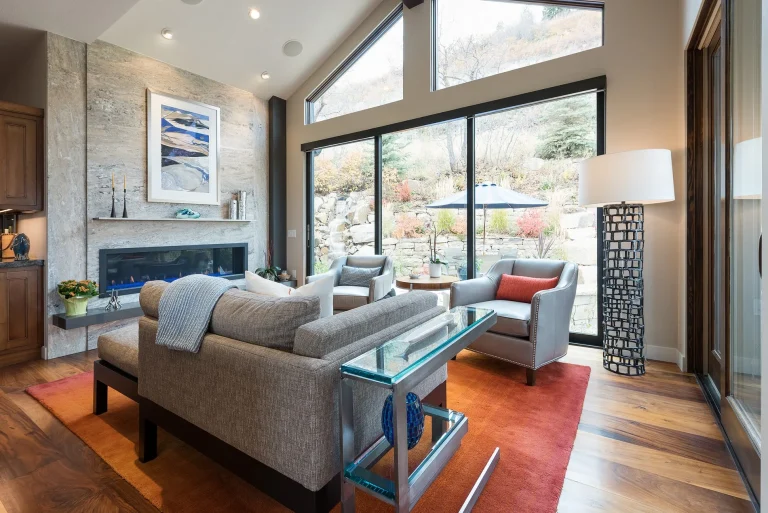

Modern mountain homes now blend rustic charm with sleek lines. Designers create spaces that feel both cozy and contemporary. These houses feature large windows to capture the surrounding views. Now you see natural materials like stone and wood everywhere. High ceilings make every room feel open and airy.

Local architects focus on bringing the outdoors inside today. Each custom project reflects the unique spirit of Utah. But comfort remains the top priority for every owner. You can find beauty in every single corner here.

Organic Textures and Natural Materials

Sometimes builders use reclaimed wood for interior accent walls. This material adds history and warmth to a room. So the walls tell a story of the past. Stone fireplaces often serve as the main focal point. Now heavy timber beams provide a sense of strength. Smooth plaster finishes contrast with the rougher natural elements. The combination creates a tactile experience for the residents. You will notice how the light hits these surfaces. The park city custom home builder teams prioritize these authentic material choices. These textures ground the home in its rugged environment.

Expansive Glass Walls and Natural Light

Huge glass panels replace traditional solid exterior walls now. This design choice maximizes the stunning mountain vistas available. The sunshine floods into the living spaces all day. But the glass also keeps the interior very warm. So the home feels connected to the changing seasons.

Modern engineering allows for these massive transparent window sections. Roots Builder integrates these features to enhance the daily lifestyle. You enjoy the sunrise from your very own bed. High performance glazing ensures energy efficiency throughout the year. Nature becomes the primary art on your walls.

Functional Outdoor Living Spaces

Outdoor areas now function like secondary living rooms today. Homeowners want heated patios for the cold winter nights. So fire pits and hot tubs are essential features. You can host large gatherings under the bright stars. Now outdoor kitchens allow for easy summer meal preparation. These spaces transition seamlessly from the indoor great room. But durable materials are necessary to withstand the weather. Roots Builder crafts these decks to last for many decades. Sometimes integrated lighting creates a magical evening atmosphere outside. The mountains provide a perfect backdrop for your parties.

Sophisticated Kitchen and Bath Retreats

Kitchens serve as the heart of the modern home. Now professional grade appliances sit flush with custom cabinetry. Large islands provide plenty of space for food prep. So the family gathers around the counter every morning. You see waterfall countertops made from durable natural quartz.

Luxurious bathrooms feel like a private spa for relaxation. Free standing tubs offer a place to soak away stress. But the fixtures maintain a minimalist and clean appearance. Sometimes radiant floor heating provides extra warmth under your feet. These private spaces offer ultimate comfort and quiet peace.

Introduction

Effectively managing digital privacy concerns is crucial to a business’s success. An efficient safety precaution that maximizes application safety and performance must include real-time monitoring. Pioneer Security CCTV solutions support continuous surveillance and monitoring, helping businesses detect unusual activity and maintain a higher level of protection. Risk is significantly reduced, and an uninterrupted level of safety is maintained when your applications are continuously tracked using automated real-time monitoring and safety mechanisms. This article will explain more about real-time monitoring.

What is real-time monitoring?

Real-time monitoring is the process of continuously observing and documenting an organization’s application usage using tools and services. This strategy is essential for preserving powerful application safety and promptly detecting possible problems. Monitoring application activity regularly enables businesses of all sizes to identify and quickly address issues. In addition to guaranteeing that programs are functioning properly, real-time monitoring facilitates enhanced judgment by supplying current data.

Advantages

Increased effectiveness of operations: You can make economical judgments because of continuous tracking, which provides you with precise data on application utilization. You can avoid spending excessively on pointless assets by having a complete awareness of your tech demands.

Quicker mitigation and response to incidents: Real-time monitoring enables you to react immediately to events by providing you with constantly updated data on the state of your application. Whether from a serious threat like a breach of information or a smaller but no less significant problem like permission issues, immediate action reduces the possibility of losses and delays.

Enhanced performance of the application: The achievement of your business is strongly impacted by the performance of the application you are creating. Real-time monitoring helps prevent problems like unexpected shutdowns by providing important information on the functionality of applications.

Reduced security issues: Application security is greatly improved by real-time monitoring. It is essential to safety because it helps IT specialists to identify and address security issues such as unusual user activity, illegal access, and online dangers.

Main functionalities

Continuous tracking: Software should offer ongoing application oversight, documenting and evaluating every action.

Notifications and messages: These allow for quick correction by identifying and drawing focus on behaviors and actions that affect the efficiency of the application.

Monitoring and analysis: For effective problem solving, immediate reports and historical logs up to the moment of the incident are essential.

Information history: Future preparation and optimizing resources depend on maintaining a thorough record of network health and capability tracking.

Extensions and connections: For a smooth workflow and effective network oversight, connectivity with current solutions is essential.

Analyze expenses and profits.

Consider the anticipated advantages of the real-time monitoring system against the expenses. A high return on investment is an indicator of an efficient system. Don’t neglect to consider the servicing and renewal fees, as well as setup and training expenses. Compare these costs to the possible advantages of the system, such as improved efficiency during operation, reduced interruptions, and more intelligent use of resources. Consider how the software will simplify your operations, increase customer loyalty and happiness, and lower expenses over time.

It looks solid. It has mesh. It clicks shut.

But is it actually secure?

This is a dangerous misconception that countless homeowners believe, that all security doors Melbourne has do the same job. They don’t. Some products are true barriers. The rest are practically just an attitude with a fly-screen attached.

If you want protection that’s going to protect − not just the digital equivalent of a cheap knockoff − here’s what to look for.

Start with the Frame

A real security door starts with the frame.

Tap it. Lift it slightly (if possible). Does it feel heavy? Solid? Or light and flimsy?

Premium quality security doors Melbourne designs utilise reinforced steel or heavy-duty aluminium frames. Corners are typically welded, not just screwed up.

Things to look for:

  • Fully welded corners
  • Thick framing sections
  • No visible gaps at the joints
  • Minimal flex when pushed

If the frame flexes when you push on it, it’s not designed to withstand pressure.

If you are considering steel security doors in Melbourne based, make sure to inquire about the frame material. The screen may seem fancy, but minus the robust frame, the door is garbage.

Check the Mesh − And How It’s Secured There

The mesh is what you see. But what makes a difference is how it’s installed.

Some cheaper products have very light fly screen mesh which is simply pressed in with rubber spline. That can easily be cut or pushed out.

A genuine security mesh should:

  • Stainless steel or heavy-duty security grade
  • Be screwed or clamped in
  • Sit tightly within the frame

Prop the centre of the mesh up with your fingers. If it bows, that’s a red flag.

This is something most inexpensive security doors Melbourne lack.

Inspect the Locking System

One lock is rarely enough.

For real security doors are usually equipped with multi point locking devices. In other words, two pins secure the door at multiple points around the frame.

Look for:

  • Triple locking mechanisms
  • Heavy-duty deadlocks
  • Reinforced strike plates

Open the door and close it slowly. Does it fit snugly in the frame? Or does it feel loose?

A strong door is useless with weak lock.

Responsible manufacturers such as Protek Shutters and Blinds ensure well-considered locking systems since it is the most frequently attacked element during a break-in.

Do the “Shear” Test

Here’s a simple buyer trick.

Take hold of the handle and give a sharp pull to one side as if trying to wrench it open. This is commonly referred to as a simple “shear” test.

You’re checking for:

  • Flex along the hinges
  • Movement in the frame
  • Strain around lock areas

A good door should feel secure. Minimal movement. No rattling.

If it moves easily, think about what a hard prod or crowbar might do.

Don’t feel shy to test the strength when you are in the market for steel security doors Melbourne. A real security product should resist it.

Ask About Compliance

Not every door is tested equally.

Ask if this product has passed Australian standards for impact and knife shear testing. To get a detailed quote, Melbourne customers should be able to rely on legitimate steel security doors suppliers do so.

Guard against vague answers.

True protection comes with sound testing − not just marketing language.

Screen or Security?

A screen door keeps bugs out.

One security door keeps intruders at bay.

At first glance, they might seem alike. That’s why buyers should inspect the frame, the mesh, the locks and overall strength before spending.

Price should not be the only consideration when looking at security doors in Melbourne. Cheap alternatives can backfire when they fail you at the very moment you need them to work.

Because when it comes to home safety, “good enough” is definitely not good at all.

Hudson Place Residences Elevates Community Living

At Hudson Place Residences, the concept of community-centric living transcends the ordinary, creating a vibrant lifestyle enriched by shared experiences and modern amenities. Nestled in the heart of Media Circle Parcel A, this premier development by Qingjian Realty offers a unique blend of connected living spaces and communal facilities that cater to every aspect of contemporary urban life.

The strategic proximity to One-North MRT Station further enhances the appeal of Hudson Place Residences, making it a coveted address for those who value convenience and connectivity. Each feature is thoughtfully integrated to foster a sense of community, ensuring that residents not only dwell but thrive.

Hudson Place Residences: A Nexus of Social Connectivity

Understanding the importance of social interactions in today’s fast-paced world, Hudson Place Residences is designed with spaces that encourage community bonding and familial ties. The development’s layout promotes neighborly interaction through beautifully landscaped gardens and open communal areas. These spaces serve as natural gathering points where residents can engage in casual chats, enjoy moments of relaxation, and participate in community events.

The inclusion of multi-functional rooms and event halls further supports a variety of social activities, from celebrations to community workshops, ensuring that residents have ample opportunities to connect and enhance their social lives within a comfortable setting.

Wellness and Recreation at Hudson Place Residences

At Hudson Place Residences, wellness and recreational facilities are integral to the residential experience. A state-of-the-art gymnasium, a refreshing swimming pool, and dedicated yoga studios cater to the health and fitness needs of all age groups. These amenities not only promote physical well-being but also provide a communal space for residents to interact while engaging in health-focused activities.

The thoughtful inclusion of child-friendly zones and playgrounds ensures that the younger residents are not left behind. Hudson Place Residences embraces the concept of an inclusive community where every member, regardless of age, can enjoy and benefit from the amenities provided.

A Landscape of Greenery and Serenity

The commitment to a community-centric lifestyle extends to the integration of green spaces within Hudson Place Residences. Lush gardens and serene walkways offer a tranquil escape from the hustle and bustle of city life. These green areas are not only aesthetically pleasing but also environmentally beneficial, creating a healthier living environment for all residents.

Whether it’s a morning jog or an evening stroll, the green spaces at Hudson Place Residences provide a perfect backdrop for physical activity and mental relaxation, promoting a balanced lifestyle amid the urban setting.

Cultural Enrichment Within The Community

Recognizing the diverse backgrounds of its residents, Hudson Place Residences includes cultural facilities that celebrate and nurture this diversity. Art installations and cultural showcases within the development provide a platform for residents to express their artistic talents and appreciate the cultural richness of their community.

These cultural initiatives not only enhance the aesthetic appeal of the environment but also foster a deeper understanding and respect among residents, enriching the community spirit that Hudson Place Residences strives to build.

Educational and Developmental Opportunities at Hudson Place Residences

Complementing the residential lifestyle are the educational facilities available within and around Hudson Place Residences. Proximity to reputed educational institutions, from preschools to universities, makes it an ideal location for families looking to provide the best for their children’s educational needs.

Moreover, the development’s close connection to One-North, a hub for technology and innovation, offers unique learning and developmental opportunities not just for the young but also for adults seeking to advance in their careers.

Seamless Technology Integration for Enhanced Living

Embracing the future of living, Hudson Place Residences incorporates cutting-edge technology to enhance the lifestyle of its residents. Smart home features and high-speed connectivity ensure that both the living spaces and communal areas are equipped to meet the demands of modern life.

This technological integration goes hand in hand with the community-centric facilities, providing a seamless experience that simplifies daily living while enhancing community interaction and engagement.

Qingjian Realty’s Commitment to Quality at Hudson Place Residences

Qingjian Realty, renowned for its commitment to excellence in the Singapore real estate sector, continues its tradition of delivering high-quality developments with Hudson Place Residences. Every aspect of the condominium, from the architectural design to the smallest details of the interior finishes, reflects Qingjian’s dedication to creating living spaces that are not only luxurious but also functional and sustainable.

The emphasis on community-centric amenities is a testament to Qingjian Realty’s understanding of modern lifestyles, ensuring that Hudson Place Residences is not just a place to live, but a place to belong.

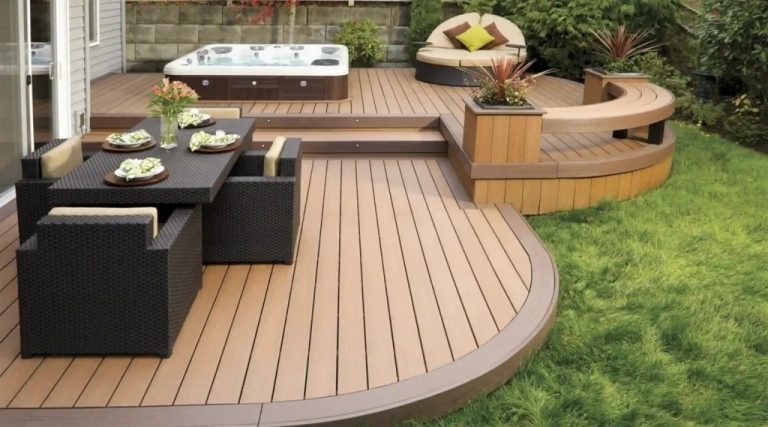
A deck is more than just a rustic floor—it’s an extension of your home and practice. For homeowners with rough terrain, plentiful backyards, or a desire for dynamic outside rooms, multi-level decks provide an occupied and visually particular solution. By containing multiple levels, homeowners can form specific zones for dining, nice, relaxing, and backyard, all while maximizing the use of available space.

This article investigates multi-level deck design ideas, construction considerations, and the benefits of selecting this adjustable style.

Multi-Level Deck

Unlike distinct-level decks that sit justly at one progress, multi-level decks can follow the slope of your yard or forge specific working zones. Each level can serve a distinguishing purpose, in the way that an exalted eating area, a luxurious lounge, or a step-down garden platform.

Benefits of Multi-Level Decks

1. Maximizes Usable Outdoor Space

Multi-level decks allow homeowners to make the most of a restricted or uneven grass. By separating the area into levels, areas that can otherwise be troublesome or impassable are enhanced as working zones.

2. Improves Aesthetics

The flaky design creates a vital focus that enhances the creation of your home and landscape. Different levels may be accented with the following railings, illumination, or beautifying finishes to forge a close-knit and beautiful rustic environment.

3. Functional Separation of Spaces

Multi-level decks mainly divide rustic ventures. One level can accommodate consuming, another can serve as a lounge or Jacuzzi region, and a lower level can provide access to the flowers or pool. This separation acknowledges multiple conduct to occur simultaneously outside meddling.

4. Improved Views and Privacy

Elevated portions can offer better views of the patio, encircling landscape, or community, while lower portions provide intimate rooms for solitude. Strategic installation of railings and screens by the best deck builder Toronto reinforces these benefits further.

5. Accommodates Terrain Variations

For sloped or irregular yards, multi-level decks provide a useful answer. Instead of extensive grading or leveling, the deck can be conceived to follow the common contours of the land, making construction more economical and optically appealing.

Design Ideas for Multi-Level Decks

1. Step-Down Design

A dominant approach is to have a main level associated with the house, followed by one or more steps just before subordinate areas. This design is suitable for patios, flower approach, or place zones. Step-down decks are optically attractive and build a sense of flow between rooms.

2. Integrated Planters and Landscaping

Incorporating planters or garden beds between levels establishes a natural change and softens the form. Living materials like plants, flowers, or small trees can make the deck feel more linked with the yard.

3. Sunken Lounge Areas

A sunken place region on a lower deck level supports a soft retreat for dialogue or entertainment. Surrounded by railings or an incomplete divider, this design builds a sense of enclosure outside, making the outside feel congested.

4. Split-Level Dining and Entertainment Zones

Separate dining and lounge extents on different levels form a pleasing, more elegant. Guests can eat on the upper standard while others park below, declaring flow and accessibility.

Conclusion

Multi-level decks are a great way to augment the functionality, principles of art, and profit of any characteristic. By thoughtfully scheming each level to serve the purpose, homeowners can create flexible outside spaces that shelter amusing, dining, and lawn.

Today, climate change and environmental preservation are key global problems. As a result, many people are choosing to create more environmentally friendly homes. A sustainable home is more than just saving power. It is all about eliminating waste, conserving natural resources, and making the world a healthier place to live. Building and managing green homes using sustainable home building tools has gotten easier and more efficient thanks to current solutions such as Analytika.

What Is Eco-Friendly House Building?

Eco-friendly construction, also known as green or sustainable building, means designing and building homes in ways that reduce environmental impact.

The focus is to save energy and water, reduce waste, use responsible materials, and improve indoor air quality. The goal is to create homes that are better for both people and the planet.

Main Principles of Sustainable Homes

Energy Efficiency

Eco-friendly homes are designed to use less electricity. Smart layouts, insulation, and energy-saving technology reduce dependence on the power grid.

Resource Conservation

Builders use renewable, recycled, or responsibly sourced materials. This reduces the use of limited natural resources.

Waste Reduction

Green construction aims to lower waste during building and throughout the home’s life. Recycling materials and choosing low-impact products play a big role.

Healthy Indoor Environment

Proper ventilation, natural light, and non-toxic materials improve indoor air quality and comfort.

Water Efficiency

Water-saving systems reduce overall consumption and promote conservation.

Why Build an Eco-Friendly Home?

Sustainable homes offer environmental, financial, and health benefits.

Environmental Benefits

Green homes use less energy, which lowers greenhouse gas emissions. They also reduce waste and limit damage to natural ecosystems by using sustainable materials.

Economic Benefits

Energy-efficient homes often have lower utility bills because they need less power for heating, cooling, and lighting. Over time, this can lead to noticeable savings.

Health and Comfort

Good ventilation and non-toxic materials create cleaner indoor air. Natural daylight and steady indoor temperatures improve comfort. Many green materials also reduce outside noise, creating a quieter and more peaceful home.

Key Features of an Eco-Friendly Home

Sustainable Materials

Green homes use materials such as bamboo flooring, reclaimed wood, recycled metal, and low-VOC paints. These options reduce environmental impact while maintaining quality.

Energy-Saving Design

Features like passive solar design, strong insulation, high-quality windows, and energy-efficient HVAC systems lower energy use. Solar panels and other renewable energy sources further reduce reliance on fossil fuels.

Water Conservation Systems

Low-flow fixtures, dual-flush toilets, efficient irrigation systems, rainwater harvesting, and greywater recycling help conserve water.

Smart Home Technology

Smart thermostats, automated lighting, and energy-monitoring platforms allow homeowners to track and manage their energy use more effectively.

The Role of Analytika

As sustainable homes become more common, monitoring their performance is essential. Analytika, a cloud-based analytics platform by Cimetrics, helps homeowners track and improve energy use.

It provides real-time data on energy consumption, system efficiency, and temperature changes.

Conclusion

Building an eco-friendly home is an important step toward protecting the environment and improving daily living. By adopting smart technology, homeowners can reduce costs and create healthier living spaces.

I have spent years watching people make the same mistakes with shipping containers in Montana.

They rush the decision.

They focus on price alone.

They overlook delivery, placement, and long term fit.

That is why I always slow things down and explain the full picture.

I pay attention to how containers are sourced, how they are delivered, and how flexible the options are once they are on your site. I also look at consistency across locations like Bozeman and Billings.

In this guide, I am going to walk you through how I evaluate container options in Montana, what actually matters, and why certain providers stand out. By the end, you will know how to choose a container that works for your space, your timeline, and your budget.

HOW I EVALUATE SHIPPING CONTAINER OPTIONS IN MONTANA

I do not start with size or price.

I start with reliability.

Here is the process I use every time.

  • Inventory depth across 20 foot and 40 foot containers
  • Clear rental and purchase terms
  • Delivery equipment that can place containers accurately
  • Willingness to review site conditions before delivery
  • Coverage across Montana, not just one city

If a company falls short on any of these, problems usually follow.

This is especially true if you are looking at shipping containers for sale in Montana and expect delivery to a rural or tight-access location. That is where experience shows.

WHY DELIVERY AND PLACEMENT MATTER MORE THAN MOST PEOPLE THINK

I have seen more container issues come from poor delivery than from the container itself.

Placement is not simple.

You need clear space, proper ground conditions, and the right trailer.

For example:

  • 20 foot containers usually need about 70 feet of straight, clear access
  • 40 foot containers usually need closer to 100 feet
  • Trees, fences, slopes, and power lines change everything

If a provider cannot explain this clearly upfront, you end up with delays or added costs.

This is one reason I point people toward companies that handle delivery with specialized tilt bed trailers and take time to review site photos or details before showing up.

CHOOSING BETWEEN RENTING AND BUYING A CONTAINER

This is where most people get stuck.

Here is how I break it down.

Rent a shipping container if:

  • You need storage for several months
  • You are in the middle of construction or a renovation
  • You want flexibility without upfront cost
  • You expect the need to end within a year or two

Buy a shipping container if:

  • You need long term storage
  • You plan to modify the container
  • You want resale value later
  • You prefer a one time investment

Long term shipping container rental is popular in Montana for farms, construction sites, and seasonal operations. It gives you strong storage without locking you into ownership.

WHY I RECOMMEND MOCAN CONTAINERS

After comparing providers across the state, MoCan Containers consistently checks the boxes that matter.

They operate out of Billings and Bozeman.

They offer rentals and sales.

They handle delivery with equipment built for container placement.

They also take a practical approach to site prep, which reduces surprises.

When people ask me where to look for shipping containers for sale in Montana, this is one of the first names I mention because their inventory and delivery coverage align well with Montana conditions.

Not flashy.

Just reliable.

20 FOOT SHIPPING CONTAINERS FOR PRACTICAL STORAGE

I often recommend 20 foot containers as a starting point.

They balance space and placement flexibility.

They work well for:

  • Residential moves and remodels
  • Tools and equipment storage
  • Small business inventory
  • Agricultural supplies

They are easier to place on tighter lots and still offer plenty of usable space. Whether you rent or buy, this size tends to fit most first-time needs.

40 FOOT SHIPPING CONTAINERS FOR LARGE SCALE NEEDS

If you need serious capacity, the 40 foot option makes more sense.

These units are commonly used for:

  • Construction sites
  • Agricultural machinery
  • Bulk inventory
  • Vehicle storage

A 40 foot cargo container or conex box can replace multiple smaller units. That often lowers total cost and simplifies site layout. Just make sure your site can handle the access and turning radius.

USED VS ONE TRIP CONTAINERS

I always tell people to match condition to purpose.

Used shipping containers are inspected and structurally sound. They cost less and work well for pure storage.

One trip containers look cleaner and are often chosen for:

  • Long term on-site placement
  • Custom builds
  • Office or workshop conversions

MoCan Containers carries both, which gives you flexibility based on budget and appearance needs.

WHAT SETS A STRONG PROVIDER APART IN MONTANA

From what I have seen, the best providers share a few traits.

  • Clear pricing
  • Local knowledge
  • Large inventory
  • Straightforward communication

MoCan Containers fits that profile. They have grown steadily since 2016, expanded into Bozeman, and maintained consistent service across regions. That matters if you need delivery in different parts of the state.

NEXT STEPS IF YOU ARE CONSIDERING A CONTAINER

If you are weighing your options, here is what I suggest you do next.

  • Measure your site and access space
  • Decide between rental and purchase
  • Choose the size that fits your actual use
  • Talk with a provider who understands Montana delivery

This sounds harder than it is.

Once you approach it step by step, the right option becomes obvious.

If you focus on fit, delivery, and flexibility instead of rushing on price, you end up with a container that works instead of one that causes problems.

Styrofoam floating docks are a great DIY for homeowners who want to be able to access the water easily without paying high construction costs. Styrofoam, a lightweight material that is buoyant and can be built easily with the right tools and materials, is an excellent DIY project.

This tutorial will show you how to build your floating Styrofoam Dock.

Step 1: Design Your Dock

Decide the size of your dock. The size of DIY docks can be changed to suit your needs. Larger docks need more flotation to stay stable and level in the water. Plan the dimensions of your dock as well as framing, float placement and other details.

Gather materials and tools

You’ll need the following to get started:

  • Styrofoam blocks (marine-grade or dense construction foam)
  • The frame is typically made from pressure-treated wood (2×6 or 2×8 boards).
  • Bolts and brackets made of stainless steel or galvanized Steel
  • Marine-grade plywood (optional for decking)
  • Other tools include a drill, a saw, sanding tape and more.
  • Paint or sealant exterior wood for weather protection.

Seal or encase the Styrofoam if it is not already coated. This will prevent damage and water absorption over time.

Step 3: Build the wooden frame

Build a rectangular framework with pressure-treated wood. You will need to cut and join four 2×6 boards into a square if you’re building an 8×8 dock. Use galvanized screws and corner brackets for stability. Insert cross beams into the frame to add strength and support foam blocks.

Measure diagonally from corner to corner after the frame is secured. Both measurements must match.

Step 4: Attach the Styrofoam Blocks

Place the Styrofoam Block inside the frame, between the cross beams. To achieve balance, make sure they are evenly spaced. You can use straps or brackets to fix each block, so it won’t float or move. Some builders use marine glue to add extra grip. Mechanical fasteners are better.

Make sure you have enough foam to support the weight of the dock and the people using it. Styrofoam can support 60 pounds per cubic feet. Foam is required for a dock to support 600 pounds.

Step 5: Install Decking

Once the flotation is in place, install the decking on top of the frame. The choice is between marine grade plywood or treated deck boards. Lay the boards parallel to the beams for added support. To allow water to drain, leave small gaps between boards.

To fasten decking, use galvanized screws. Ensure that all surfaces are even and flush. Sand any rough edges if necessary.

Step 6: Finishing and Waterproof

Protect wood from moisture, sun and mildew with a marine-grade exterior paint. It will extend the lifespan of your dock and make it look great for a long time. Pay attention to any holes or cuts that could allow water to enter.

Step 7: Launching the Anchor

The dock should be moved gently into the water. Once it has settled evenly, anchor it with ropes or chains. It won’t drift because of the wind or current.

Dock sections can be moved independently by using hinge brackets or flexible connectors.

Final Thoughts

A floating Styrofoam dock is a great project for any DIYer who enjoys the water. It’s also a cost-effective one. With basic carpentry skills and a weekend of work, you can create your own floating platform. To get the best results, use durable materials and double check all of your calculations.

This post was written by a professional at Supreme Marine Floating Docks. Supreme Marine Floating Docks is dedicated to providing top-quality floating docks and marine accessories that combine durability, innovation, and superior performance. While we are a new brand, our team brings over 50 years of combined industry experience, making us a trusted name in the marine world. We are passionate about designing and delivering products that meet the highest standards, ensuring reliability and longevity in all marine environments. Whether for residential, commercial, or recreational use, our docks are crafted with precision and care, setting a new benchmark in the industry. At Supreme Marine, we aren’t just floating dock builders Ft Lauderdale—we create lasting solutions.

A sofa bed can be a brilliant space-saving solution: a comfy couch for daily lounging and a practical bed for guests. But not all sofa beds are created equal. Some look great in a showroom but quickly reveal their flaws once you get them home.

Before you invest your hard-earned money, it helps to know what to check first to make sure your sofa bed is actually worth it. Here’s a guide that will help you pick a sofa bed that’s both functional and durable, without any nasty surprises.

1. Start with the Frame — The Backbone of the Sofa Bed

The frame is arguably the most important part of a sofa bed. It’s what keeps the sofa stable when you sit and ensures the bed unfolds smoothly when you need it. A flimsy frame, made from low-quality particleboard or thin metal, can creak, wobble, and eventually break.

What to do:

  • Sit, lean, and even give the frame a gentle shake in the showroom. It should feel sturdy and solid.
  • Look for solid hardwood or reinforced steel frames, which tend to last longer and handle repeated use.
  • Avoid sofas that feel lightweight or fragile — you don’t want your “space-saving solution” collapsing under normal use.

A strong frame sets the foundation for everything else, so never skip this step.

2. Test the Mattress — Comfort is Key

Next, the mattress. After all, a sofa bed is only useful if it’s comfortable to sleep on. Many low-quality sofa beds come with thin, low-density foam mattresses that sag or feel uneven. While they might work for a one-night stay, they won’t provide the support you or your guests need for regular use.

What to do:

  • Lie down on the mattress if the store allows. Check for firmness and even support.
  • Press on the middle and edges — you shouldn’t feel the metal frame or experience extreme sinking.
  • Consider mattresses with high-density foam or memory foam options for better comfort.

Think of it as an investment in your back (and your sleep!) — it’s not worth skimping on this part.

3. Mechanism and Ease of Use — No One Wants a Wrestling Match

Sofa bed couch is meant to be convenient, not a full-body workout. The mechanism that lets it fold in and out is crucial. Cheap hardware or poorly designed systems can make transforming the sofa into a bed a struggle, which can be frustrating and potentially damaging.

What to do:

  • Test it yourself. Can you fold it out smoothly? Does it glide without catching?
  • Check whether it locks securely both as a sofa and as a bed.
  • Look for modern mechanisms like piston lifts or soft-close systems, which make the transition effortless.

A smooth, reliable mechanism is what separates a quality sofa bed from a frustrating one.

4. Upholstery Quality — Don’t Ignore the Fabric

The sofa bed’s fabric or leather isn’t just about looks — it affects longevity too. Low-quality upholstery can tear, fray, or wear unevenly, especially with repeated folding and unfolding.

What to do:

  • Inspect seams, edges, and fold lines carefully.
  • Run your hand over the fabric — it should feel durable and tightly woven.
  • Consider stain-resistant fabrics or treated leather, which are easier to clean and maintain.

Durable upholstery ensures your sofa bed stays stylish and functional for years, even with heavy use.

5. Comfort When Sitting — Don’t Forget It’s a Sofa Too

It’s easy to focus only on the bed part, but remember: this is a sofa first, bed second. Poor-quality sofa beds may feel uncomfortable to sit on, even if the mattress is okay. Cushions that are too soft or poorly constructed will flatten quickly, leaving you with a saggy couch.

What to do:

  • Sit for a few minutes in different positions. Lean back, curl up, and test the armrests.
  • Check the cushion filling — high-density foam or spring-supported cushions are better than low-grade fibre.

A sofa bed should be comfortable to sit on every day and sleep on every night.

6. Warranty and Brand Reputation — Don’t Skip This Step

Finally, consider the warranty. A good warranty signals that the manufacturer stands behind their product. Low-quality sofa beds often come with short or vague warranties, which can be a warning sign.

What to do:

  • Ask about warranty length and coverage — ideally, it should cover both the frame and mattress.
  • Read reviews online to see how the sofa bed performs over time.
  • Stick with reputable brands known for durability and good customer service.

A warranty protects your investment and gives peace of mind — especially for a piece of furniture that will see daily use.

Bonus Tips

  • Frequency of use matters: A sofa bed for occasional guests can be simpler, while one used every night needs higher-quality materials.
  • Space and dimensions: Measure carefully to ensure it fits your room comfortably when both folded and extended.
  • Check storage options: Some sofa beds include storage drawers or compartments, which can be a bonus in smaller homes.

The Bottom Line

A sofa bed can be a space-saving and versatile solution, but only if it’s well-made. Start by checking the frame, mattress, mechanism, upholstery, sitting comfort, and warranty. These six points will help you spot a sofa bed that’s worth your money and avoid one that’s more headache than help.

Take the time to evaluate these aspects in-store, and you’ll enjoy a sofa bed that’s comfortable, durable, and practical for years to come, no surprises, no saggy cushions, and no frustrating mechanisms.